

Components of Sawdust Pneumatic Conveying
Sawdust pneumatic conveying is a critical process in the wood processing and material handling industries. It involves the transportation of sawdust and other fine wood particles using air as the conveying medium. This method is widely adopted due to its efficiency, flexibility, and ability to handle delicate materials without causing damage. Understanding the components of a sawdust pneumatic conveying system is essential for optimizing performance and ensuring reliable operation.
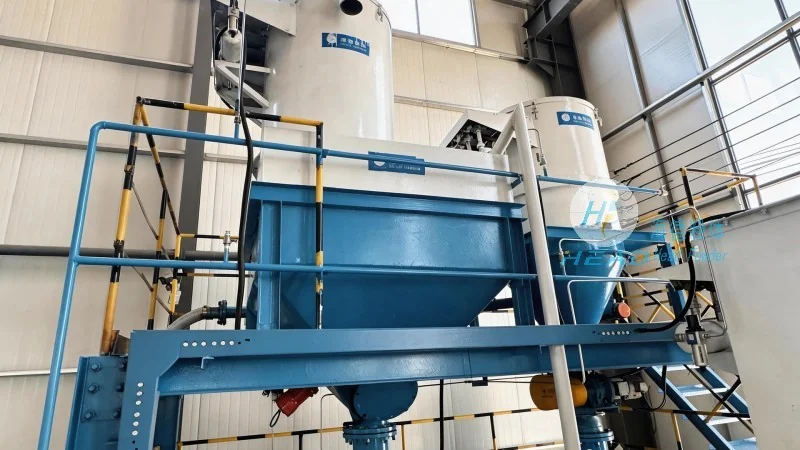
Core Components of the System
A typical sawdust pneumatic conveying system consists of several key components that work in tandem to facilitate the movement of sawdust from one location to another. These components are designed to handle the unique characteristics of sawdust, such as its light weight, fine particle size, and potential for static electricity. The primary components include:
The Material Hopper
The material hopper is the initial component where sawdust is stored before it is fed into the conveying system. It is typically made of durable materials like stainless steel or high-density polyethylene to prevent contamination and ensure longevity. The hopper is equipped with a feeder mechanism, often a rotary valve or a screw feeder, which controls the flow of sawdust into the system. This component ensures a consistent and controlled supply of material, preventing blockages and maintaining system efficiency.
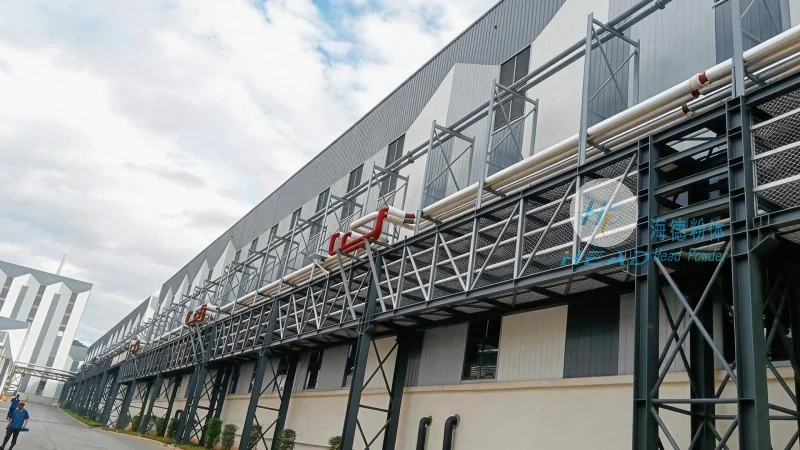
The Conveying Line
The conveying line is the central part of the system where the sawdust is transported. It consists of a pipeline made from materials like stainless steel, PVC, or polyethylene, depending on the application and the properties of the sawdust. The line is designed to withstand the pressure and flow of the conveying air while minimizing friction and material buildup. The diameter and length of the line are critical factors that affect the system's performance, as they influence the velocity of the air and the pressure required to move the sawdust.
The Air Supply System
The air supply system provides the necessary pressure and volume of air to move the sawdust through the conveying line. This system typically includes a blower or a fan, which generates the airflow. The blower is chosen based on the system's requirements, such as the volume of material to be conveyed and the distance it needs to travel. The system may also include a filter to remove any debris or particles from the air, ensuring that the conveying process is clean and efficient.
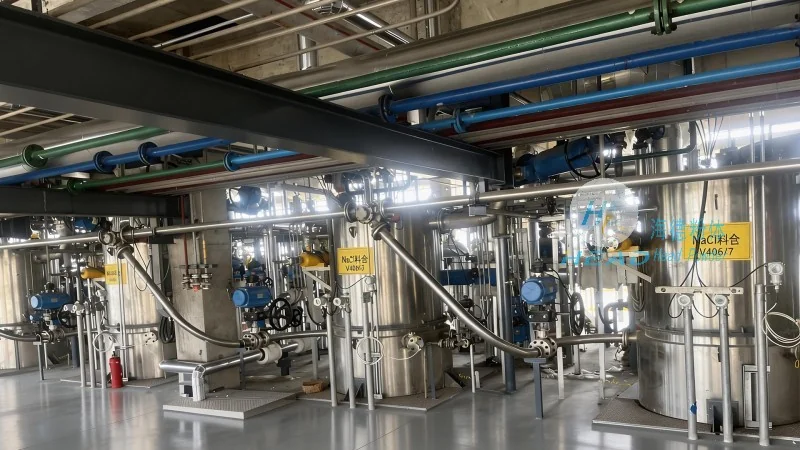
The Dust Collector
The dust collector is an essential component for maintaining air quality and preventing dust emissions. It captures the sawdust particles that are carried by the air and separates them from the air stream. The collected sawdust is then returned to the material hopper or disposed of as needed. The dust collector is typically equipped with a filter or a cyclone separator, which effectively removes the fine particles from the air. This component is crucial for compliance with environmental regulations and for maintaining a safe working environment.
The Control System
The control system manages the operation of the entire sawdust pneumatic conveying system. It includes sensors, valves, and a control panel that monitors and regulates the flow of material, air pressure, and system performance. The control system allows for real-time adjustments to optimize the conveying process, ensuring that the system operates at peak efficiency. It may also include safety features, such as pressure relief valves and emergency shut-off switches, to prevent accidents and protect the equipment.
The Role of Each Component in the Process
Each component of the sawdust pneumatic conveying system plays a vital role in the overall operation. The material hopper ensures a steady supply of sawdust, while the feeder controls the flow rate. The conveying line transports the material, and the air supply system provides the necessary force. The dust collector maintains air quality, and the control system manages the entire process. Together, these components work in harmony to achieve efficient and reliable sawdust transportation.
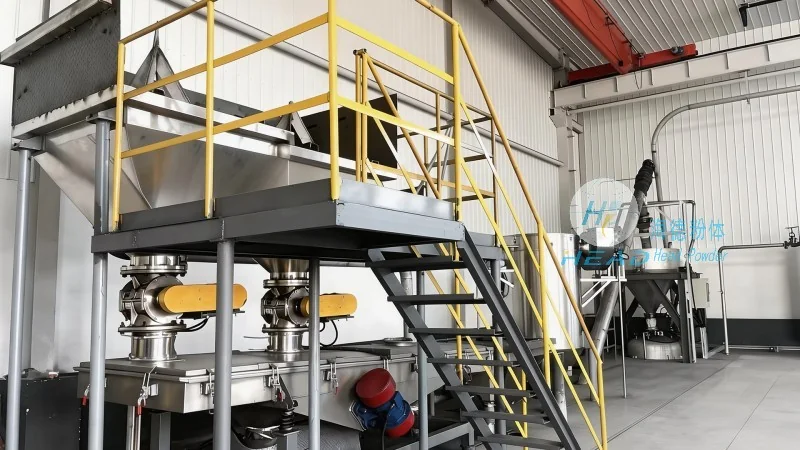
Company Overview: Shandong HeadPowder Engineering Co., Ltd.
Shandong HeadPowder Engineering Co., Ltd., commonly known as HeadPowder, is a leading manufacturer and supplier of sawdust pneumatic conveying systems. With a strong presence in China, the company specializes in designing, manufacturing, and installing customized solutions for various wood processing applications. HeadPowder's expertise lies in understanding the unique challenges of sawdust handling and providing tailored systems that meet the specific needs of clients. The company's commitment to quality, innovation, and customer satisfaction has established it as a trusted partner in the industry.
Application and Benefits of Sawdust Pneumatic Conveying
Sawdust pneumatic conveying systems are widely used in various applications, including wood pellet production, particleboard manufacturing, and sawmill operations. The benefits of this technology include increased efficiency, reduced labor costs, and improved safety. By eliminating the need for manual handling of sawdust, the system minimizes the risk of dust exposure and improves workplace safety. Additionally, the system's ability to handle fine particles without damage makes it ideal for applications where material integrity is crucial.