

Gypsum Powder and Dust Pneumatic Conveying: How to Efficiently Transport Bulk Materials with Air Flo
Efficiently transporting bulk materials like gypsum powder and dust is a critical challenge in many industrial applications. Traditional methods such as belt conveyors or bucket elevators often face limitations when dealing with fine, dusty materials that are prone to caking or segregation. Pneumatic conveying systems offer a solution by utilizing air flow to move these materials through pipelines, providing a clean, dust-free, and highly efficient method of transport. This article explores the principles and applications of gypsum powder and dust pneumatic conveying, highlighting how companies like Shandong HeadPowder Engineering Co., Ltd. (headpowder) have developed advanced systems to meet these demands.
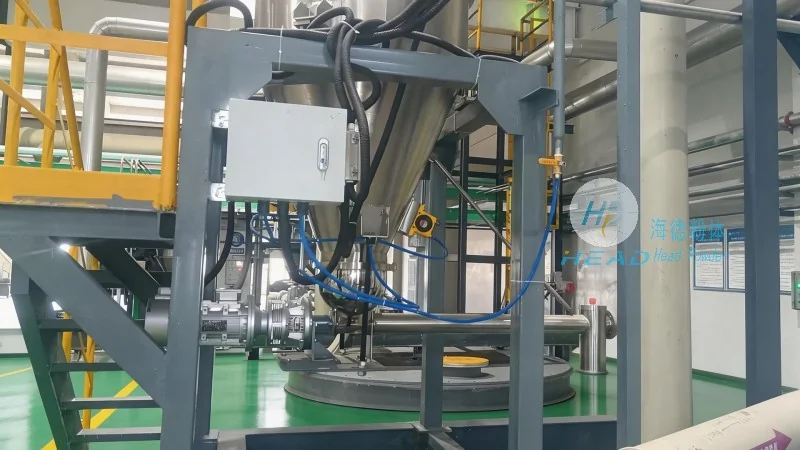
The Advantages of Pneumatic Conveying for Gypsum Materials
When considering the transportation of gypsum powder and dust, several factors must be evaluated to ensure optimal performance. Pneumatic conveying systems provide several key advantages over traditional methods. First, they offer a dust-free environment, which is essential for maintaining workplace safety and compliance with environmental regulations. Unlike mechanical conveyors that can generate significant dust, pneumatic systems contain the material within a sealed pipeline, reducing airborne particulates and improving air quality. Second, these systems are highly efficient in terms of energy consumption and material handling. By using air pressure to move the material, they can transport large volumes of gypsum powder over long distances with minimal energy input compared to other methods. Third, pneumatic conveying is versatile and can handle a wide range of particle sizes and moisture contents, making it suitable for various gypsum products, including raw gypsum, plaster, and other byproducts. This adaptability is crucial for industrial processes where material characteristics may vary.
How Pneumatic Conveying Systems Work
The core of a pneumatic conveying system is the ability to generate and control air flow to move bulk materials. There are two main types of pneumatic conveying: pressure and vacuum systems. Pressure systems use compressed air to push the material through the pipeline, while vacuum systems use a vacuum to draw the material into the system. For gypsum powder and dust, pressure systems are often preferred due to their ability to handle high volumes and long distances. The process typically involves feeding the gypsum material into a hopper, where it is mixed with air under pressure. The air and material mixture then travels through the pipeline to the destination point, such as a storage silo or processing unit. The system may include components like rotary valves, airlocks, and filters to ensure smooth operation and prevent material buildup or blockages. The design of the system, including pipeline diameter, air velocity, and pressure, is critical to achieving efficient transport without causing excessive wear or energy consumption.
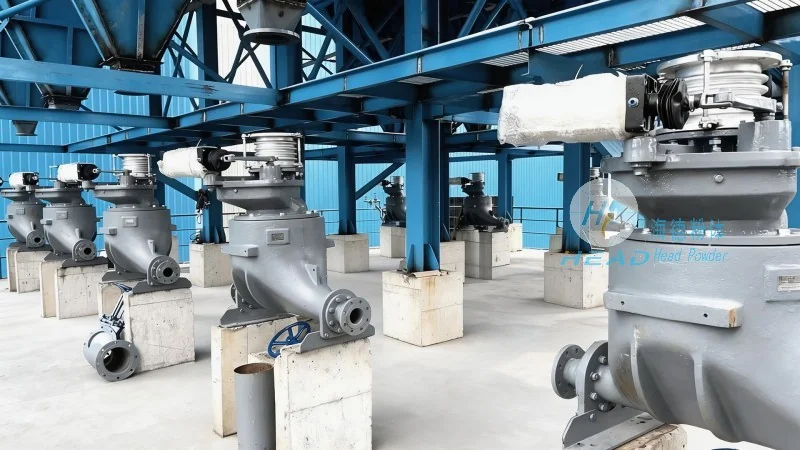
Key Components of a Gypsum Pneumatic Conveying System
Several key components are essential for the proper functioning of a gypsum powder and dust pneumatic conveying system. The first is the material feeder, which ensures a consistent flow of gypsum into the system. For fine powders like gypsum, a rotary valve or a star feeder is commonly used to prevent clogging and maintain a steady feed rate. The second component is the air compressor or blower, which provides the necessary pressure to move the material. The choice of compressor depends on the system's requirements, such as the distance to be covered and the volume of material to be transported. The third component is the pipeline system, which must be properly sized and designed to handle the air and material mixture without causing excessive pressure drop or wear. The pipeline is typically made of materials like stainless steel or plastic, chosen for their resistance to corrosion and abrasion from the gypsum particles. The system may also include filters and cyclones to separate the material from the air at the destination point, allowing the air to be recycled or vented safely. Additionally, control systems are used to monitor and adjust the pressure, flow rate, and other parameters to ensure optimal performance and prevent system failures.
Applications of Gypsum Pneumatic Conveying
Gypsum powder and dust pneumatic conveying systems are widely used in various industries that handle bulk materials. In the construction industry, these systems are used to transport raw gypsum to manufacturing facilities, where it is processed into plaster, drywall, and other building materials. The ability to move large volumes of gypsum efficiently over long distances is crucial for meeting production demands. In the agricultural sector, pneumatic conveying is used to transport gypsum for soil amendment, improving soil structure and nutrient content. The dust-free nature of the system is particularly beneficial in agricultural applications, as it reduces the risk of dust inhalation for workers and minimizes environmental contamination. Additionally, in the chemical and pharmaceutical industries, pneumatic conveying is used to transport gypsum-based products, such as calcium sulfate, for various industrial processes. The versatility of pneumatic systems makes them suitable for a wide range of applications, from small-scale operations to large industrial facilities.
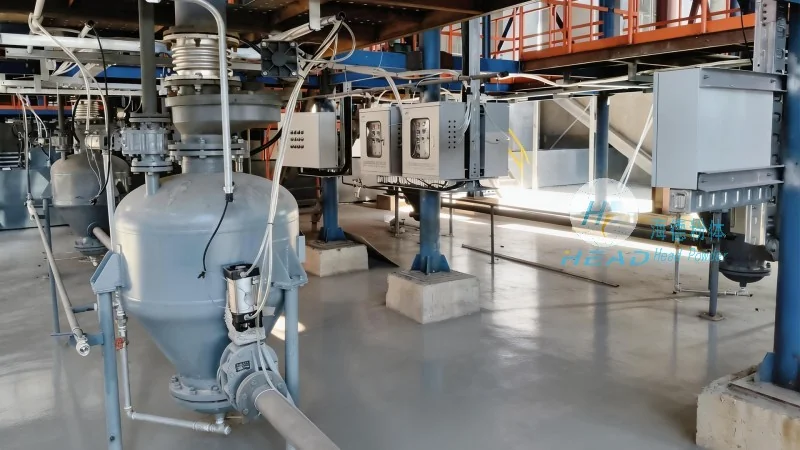
Case Study: Shandong HeadPowder Engineering Co., Ltd.
Shandong HeadPowder Engineering Co., Ltd., commonly known as headpowder, is a leading manufacturer of pneumatic conveying systems specializing in the transportation of gypsum powder and dust. With operations based in Shandong, China, headpowder has developed advanced systems that address the unique challenges of gypsum material handling. The company's expertise lies in designing customized solutions that meet the specific needs of each client, ensuring efficient and reliable transport of gypsum materials. Headpowder's systems are known for their durability, energy efficiency, and compliance with industry standards. The company has successfully implemented pneumatic conveying systems for numerous clients, improving their material handling processes and reducing operational costs. By leveraging their experience and technical knowledge, headpowder continues to provide innovative solutions for the efficient transportation of gypsum powder and dust in various industrial applications.
Conclusion
Pneumatic conveying is a highly effective method for transporting gypsum powder and dust, offering significant advantages over traditional mechanical methods. The ability to move these materials efficiently, safely, and with minimal environmental impact makes pneumatic systems a preferred choice for many industries. Companies like Shandong HeadPowder Engineering Co., Ltd. play a crucial role in developing and implementing these systems, ensuring that industrial processes can handle gypsum materials with optimal performance. As the demand for efficient material handling continues to grow, pneumatic conveying systems will remain a vital component in the transportation of bulk materials, particularly in industries that rely on gypsum products.