

What Comprises Wheat Bran Pneumatic Conveying
Wheat bran pneumatic conveying systems are essential for efficient material handling in various industrial applications. Understanding the components that make up such a system is crucial for optimizing performance and ensuring reliable operation. This article provides a detailed overview of the key elements involved in wheat bran pneumatic conveying, highlighting the role of each component in the overall process.
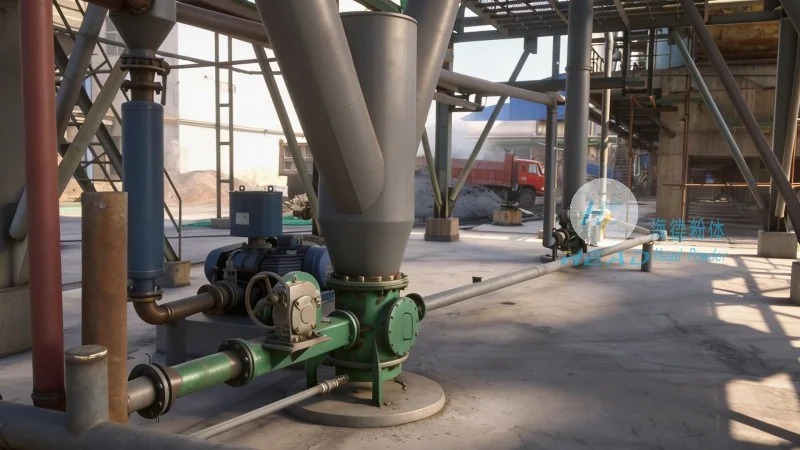
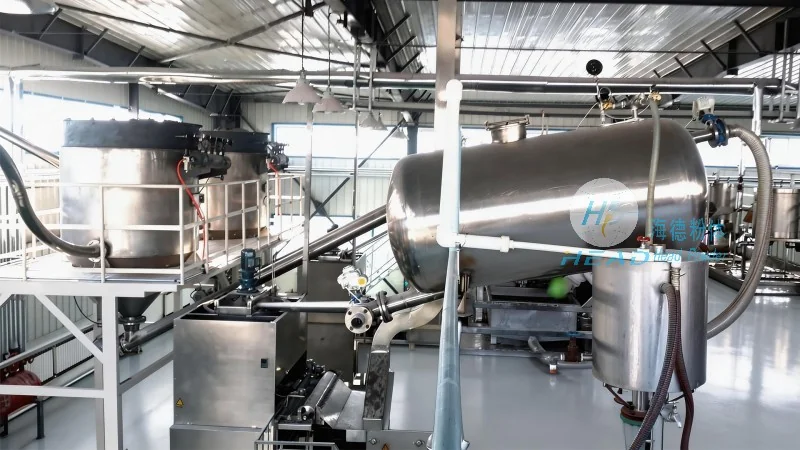
Key Components of Wheat Bran Pneumatic Conveying Systems
The core components of a wheat bran pneumatic conveying system are engineered to handle the unique properties of wheat bran, such as its fine particle size, low bulk density, and tendency to generate dust. Each component is designed to work in harmony to ensure efficient material transport from the source to the destination. The primary components typically include the material hopper and feeder, conveying line and pipeline, air supply system, separation and collection equipment, and control and monitoring systems. Understanding each of these components is essential for optimizing the system's performance and ensuring reliable operation.
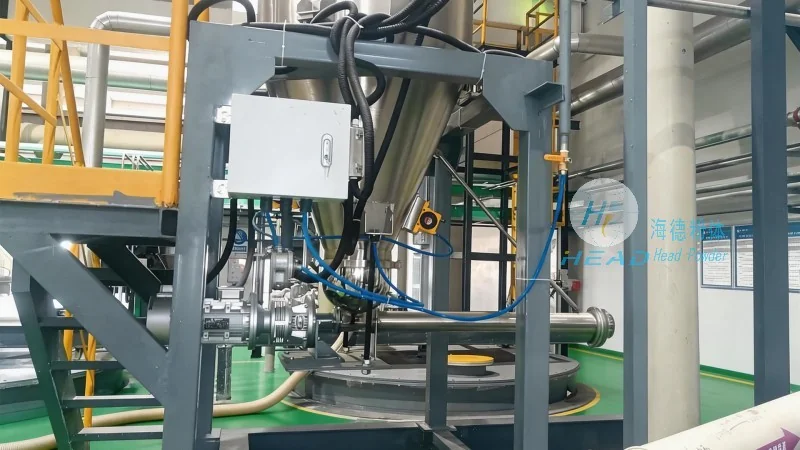
1. Material Hopper and Feeder
The material hopper serves as the initial storage vessel for wheat bran, providing a consistent supply of material to the feeder. It is typically constructed from stainless steel or other corrosion-resistant materials to withstand the abrasive nature of wheat bran. The hopper design, often featuring a conical or rectangular shape, is optimized to minimize material bridging and ensure smooth discharge. The feeder, which can be a rotary valve, screw feeder, or vibratory feeder, regulates the flow of wheat bran into the conveying line. For wheat bran, a rotary valve is commonly used due to its ability to handle fine powders and provide precise control over the feed rate. The feeder is crucial for maintaining a steady flow, as fluctuations in feed rate can lead to pressure variations in the conveying line and potential blockages.
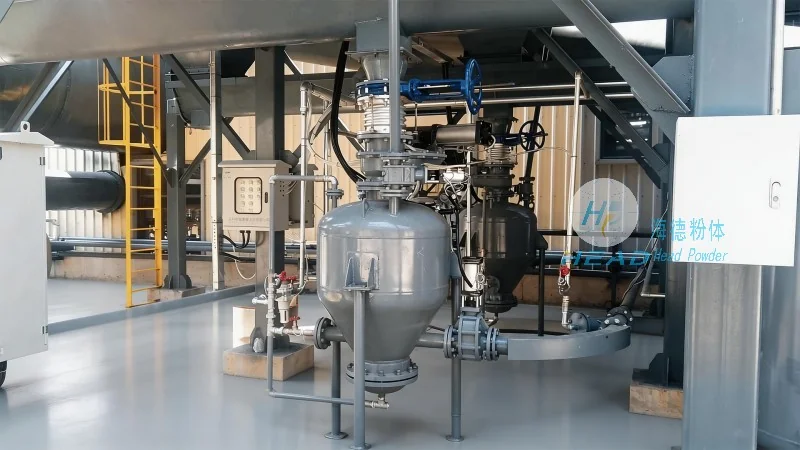
2. Conveying Line and Pipeline
The conveying line is the main pathway for transporting wheat bran, typically made of stainless steel or PVC. The pipeline is designed to withstand the pressure and flow conditions of pneumatic conveying, with smooth inner surfaces to minimize friction and pressure loss. The line may include bends, elbows, and straight sections, each carefully engineered to maintain the velocity of the conveying air. The design of the pipeline is critical for preventing material settling or clogging, as wheat bran particles can settle if the air velocity is too low. The use of high-quality materials and proper installation ensures the longevity and reliability of the conveying line.