

Introduction to the Structure and Working Principle of Lithium-Ion Battery Positive Electrode Materi
HeadPowder, a leading enterprise in the field of powder handling technology, specializes in the design and manufacturing of advanced conveying systems for lithium-ion battery positive electrode materials. This article provides an overview of the lithium-ion battery positive electrode material powder conveying system, detailing its structural components and operational principles to help users understand its functionality and application in the battery manufacturing process.
Company Profile and Core Technology
Shandong HeadPowder Engineering Co., Ltd., commonly known as HeadPowder, is headquartered in Shandong, China. The company has been committed to the research, development, and production of high-efficiency powder conveying equipment for over a decade. With a strong R&D team and advanced manufacturing facilities, HeadPowder focuses on providing customized solutions for various powder handling challenges, particularly in the battery industry. The lithium-ion battery positive electrode material powder conveying system is a key product line that reflects the company's expertise in ensuring safe, efficient, and reliable material transport in high-tech manufacturing environments.
System Overview and Structural Components
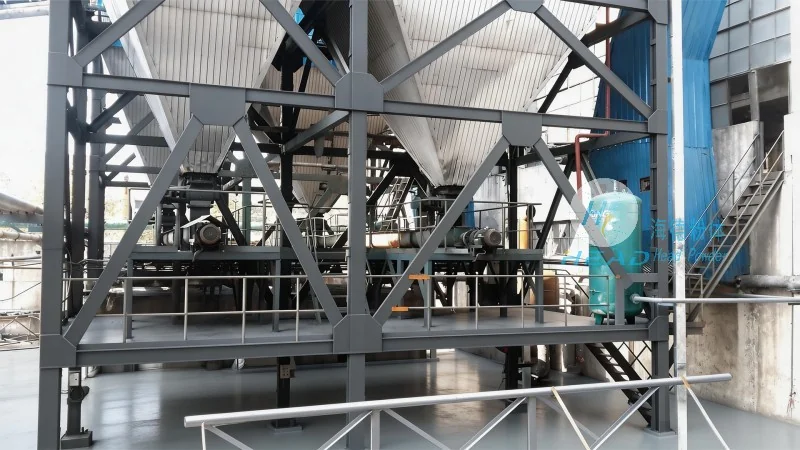
The lithium-ion battery positive electrode material powder conveying system is engineered to handle the unique properties of positive electrode materials, such as high conductivity, fine particle size, and sensitivity to moisture and contamination. The system typically consists of several core components, including a feeding hopper, a conveying mechanism (e.g., screw conveyor, pneumatic conveyor, or combination system), a control unit, and a dust collection system. Each component is designed to work in harmony to ensure the smooth and safe transport of the powder from the storage area to the processing line.

Feeding Hopper and Material Storage
The feeding hopper is the initial component of the system, responsible for storing the positive electrode material and providing a consistent feed to the conveying mechanism. It is usually equipped with a level indicator to monitor the material volume and a discharge valve to control the flow rate. The hopper is constructed from high-quality materials, such as stainless steel or special alloys, to prevent material degradation and ensure durability. For materials that are prone to bridging or agglomeration, the hopper may include a vibration or agitator system to maintain material flow and prevent blockages.
Conveying Mechanism and Transport Methods
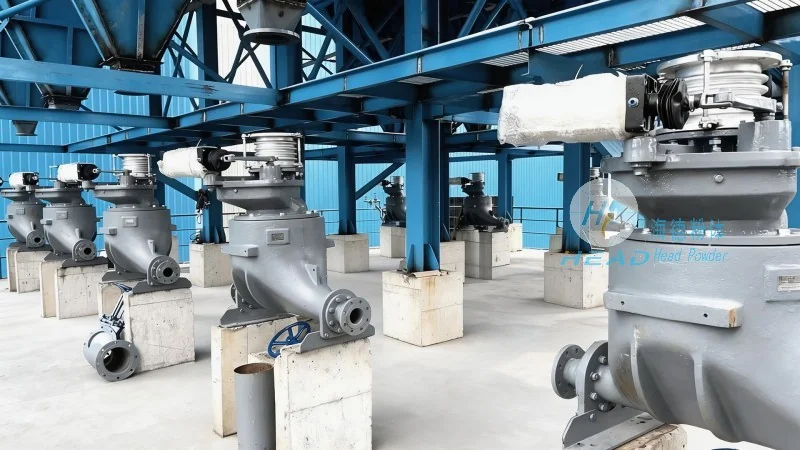
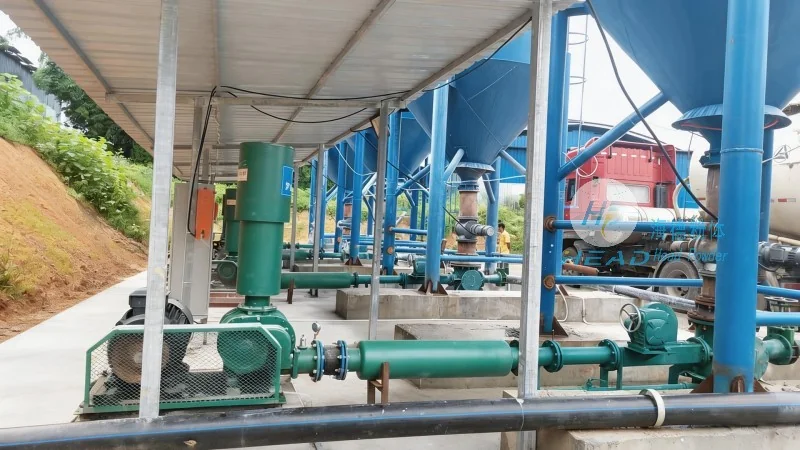
The conveying mechanism is the heart of the system, responsible for moving the powder from the hopper to the processing equipment. Different conveying methods are employed based on the material characteristics and application requirements. For example, screw conveyors are commonly used for horizontal or slight incline transport due to their ability to handle fine powders without causing excessive wear. Pneumatic conveyors, on the other hand, are suitable for vertical or long-distance transport, utilizing air pressure to move the material through a pipeline. Some advanced systems may combine both methods to achieve optimal performance. The conveying mechanism is equipped with wear-resistant liners and bearings to extend its service life and maintain the purity of the material.
Control Unit and Automation Features
The control unit is a critical part of the system, responsible for monitoring and regulating the conveying process. It typically includes sensors for detecting material levels, flow rates, and pressure, as well as a programmable logic controller (PLC) for automated operation. The control unit allows operators to adjust the conveying speed, pressure, and other parameters according to the production needs. Advanced systems may also incorporate safety features, such as emergency stop buttons and overload protection, to ensure the safety of personnel and equipment. The automation features not only improve the efficiency of the conveying process but also reduce human error and labor costs.
Dust Collection and Environmental Protection
Due to the fine nature of the positive electrode material, dust generation is a common issue during the conveying process. The system includes a dust collection system to capture and filter the airborne particles, ensuring a clean and safe working environment. The dust collector is usually equipped with a high-efficiency particulate air (HEPA) filter or a cyclone separator to remove fine particles from the air stream. The collected dust is then returned to the hopper or disposed of according to environmental regulations. This feature not only complies with environmental standards but also maintains the quality of the material by preventing contamination from external particles.
Working Principle and Operational Flow
The operational flow of the lithium-ion battery positive electrode material powder conveying system follows a sequential process. First, the positive electrode material is loaded into the feeding hopper. The control unit then activates the conveying mechanism, which draws the material from the hopper and transports it to the processing line. The material is discharged into the next equipment, such as a mixing or coating machine, at a controlled rate. The system continuously monitors the material level and flow rate, adjusting the conveying speed as needed to maintain a stable production rate. The dust collection system operates simultaneously to capture any particles released during the conveying process, ensuring that the air quality remains within acceptable limits.
Advantages and Applications
The lithium-ion battery positive electrode material powder conveying system offers several advantages over traditional manual or low-efficiency conveying methods. It provides a high degree of automation, reducing labor costs and improving production efficiency. The system is designed to handle fine powders without causing agglomeration or degradation, maintaining the material's quality and performance. Additionally, the dust collection system ensures a clean and safe working environment, complying with environmental regulations. The system is widely used in the manufacturing of lithium-ion batteries, particularly in the production of positive electrode materials, where consistent and reliable material transport is crucial for achieving high-quality battery products.
Conclusion
In summary, the lithium-ion battery positive electrode material powder conveying system is a sophisticated piece of equipment that combines advanced technology and engineering to ensure the efficient and safe transport of positive electrode materials. With its robust structure, automated control, and environmental protection features, the system meets the demanding requirements of modern battery manufacturing. HeadPowder, as a leading manufacturer in this field, continues to innovate and improve its products to provide customers with reliable solutions for their powder handling needs.