

Intermittent Powder Handling Equipment: An Overview of Its Structure and Working Principle
HeadPowder, a leading manufacturer based in Shandong, China, specializes in the design and production of advanced intermittent powder handling equipment. This equipment is engineered to efficiently manage the transportation and processing of bulk powders in various industrial applications.
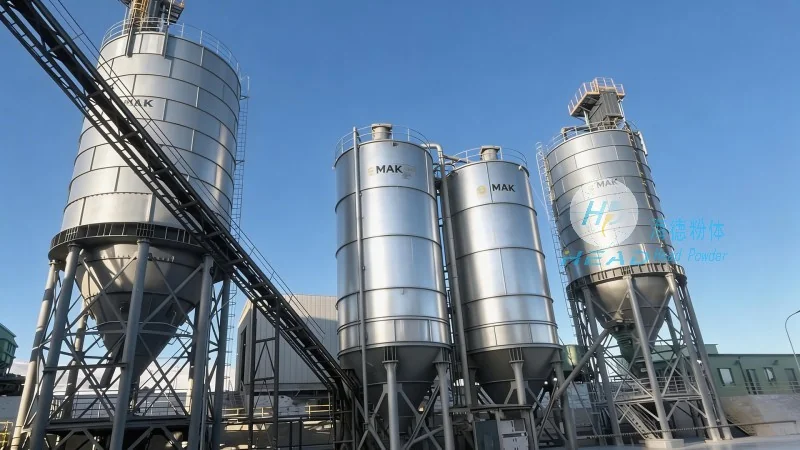
Overview of Intermittent Powder Handling Equipment
Intermittent powder handling equipment is a critical component in industries such as pharmaceuticals, food processing, and chemical manufacturing. It is designed to handle powders in a controlled manner, ensuring precise dosing and minimal material loss. The equipment operates by moving powders in discrete batches, which allows for better control over the handling process compared to continuous systems.
Key Structural Components
The core structure of the intermittent powder handling equipment includes several essential parts. The main body typically consists of a hopper or storage tank where the powder is initially stored. A feeding mechanism, often a screw or a rotary valve, is used to control the flow of powder from the hopper into the transport section. The transport section may include a conveyor or a pneumatic system that moves the powder to the discharge point. A control system, usually equipped with sensors and a programmable logic controller (PLC), manages the entire operation, ensuring accurate and repeatable performance.
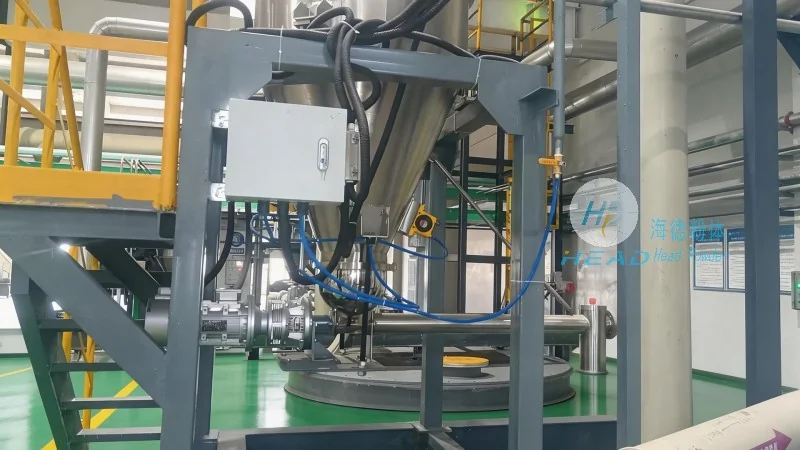
Working Principle of the Equipment
The working principle of the intermittent powder handling equipment involves a series of sequential steps. First, the powder is loaded into the hopper. The control system then activates the feeding mechanism, which gradually releases the powder into the transport system. The transport system moves the powder in batches, typically under the control of a timer or a sensor that detects the end of the batch. Once the batch is fully transported, the system pauses, and the next batch is initiated. This cycle repeats, allowing for precise control over the amount of powder handled in each operation. The equipment is designed to minimize segregation and agglomeration of the powder, ensuring consistent quality in the final product.
Advantages of Using Intermittent Powder Handling Equipment
There are several advantages to using intermittent powder handling equipment in industrial settings. One of the primary benefits is the improved accuracy in powder dosing, which is crucial for applications where precise measurements are required, such as in pharmaceutical manufacturing. The equipment also reduces material waste by minimizing overfilling or underfilling. Additionally, the controlled batch operation helps in maintaining the quality of the powder by preventing exposure to air or moisture, which can affect its properties. The system is also easier to clean and maintain, as the batch operation allows for thorough cleaning between batches.
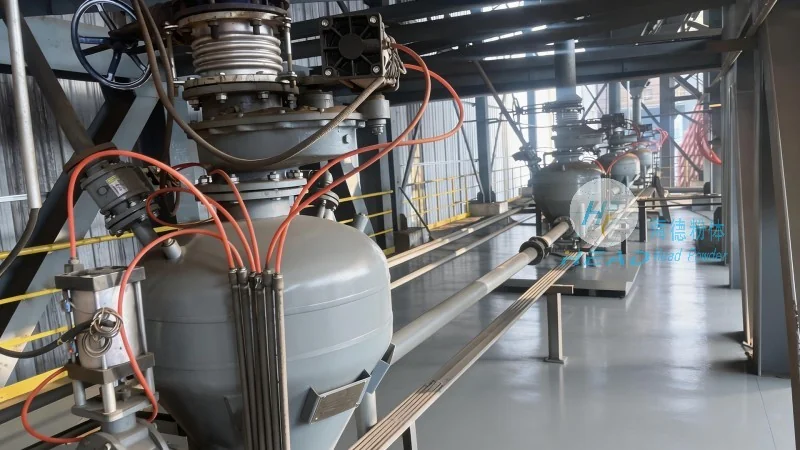
Applications in Different Industries
Intermittent powder handling equipment is widely used across various industries due to its versatility. In the pharmaceutical industry, it is used for handling active pharmaceutical ingredients (APIs) and excipients, ensuring that the final dosage forms are accurate and consistent. In the food industry, it is employed for handling ingredients like flour, sugar, and spices, maintaining the quality and safety of the food products. The chemical industry also benefits from this equipment when handling chemicals and reagents, where precise dosing is essential for chemical reactions and process control.
Conclusion
HeadPowder's intermittent powder handling equipment represents a reliable and efficient solution for industries requiring precise and controlled powder handling. With its robust structure and advanced control systems, the equipment ensures consistent performance and high-quality output. Based in Shandong, China, HeadPowder continues to innovate and provide tailored solutions to meet the diverse needs of its clients in the global market.