

Principle and Classification Applications of Carbon Particle Pneumatic Conveying
HeadPowder, a leading enterprise in the field of carbon particulate handling technology, specializes in the design, manufacturing, and implementation of advanced pneumatic conveying systems for carbon materials. With a strong presence in Shandong, China, the company has established itself as a trusted partner for industries requiring efficient and reliable carbon material transport solutions.
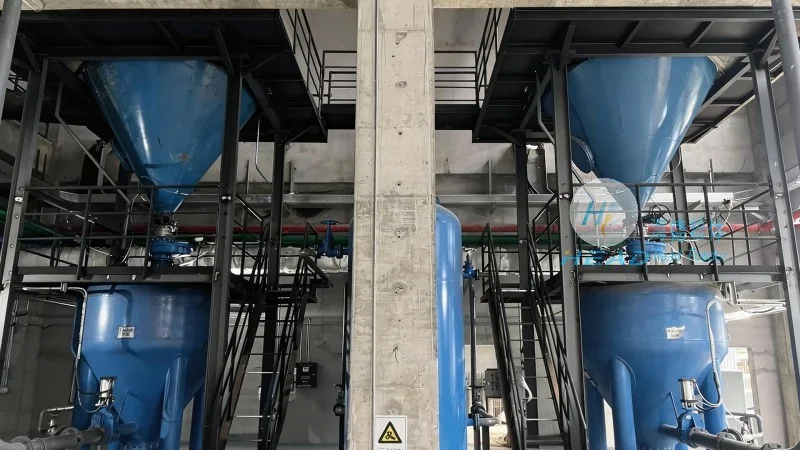
The working principle of carbon particle pneumatic conveying can be broadly categorized into two main types: dilute-phase and dense-phase systems. Dilute-phase systems operate at relatively low particle concentrations, where the gas velocity is sufficient to keep particles suspended and flowing smoothly through the pipeline. This approach is ideal for short to medium-distance transport and applications requiring high throughput. In contrast, dense-phase systems maintain higher particle concentrations, often using lower gas velocities to create a plug flow, which minimizes particle degradation and ensures precise control over material delivery. Both methods are tailored to the specific characteristics of the carbon material, such as particle size, density, and moisture content, to optimize performance and efficiency.
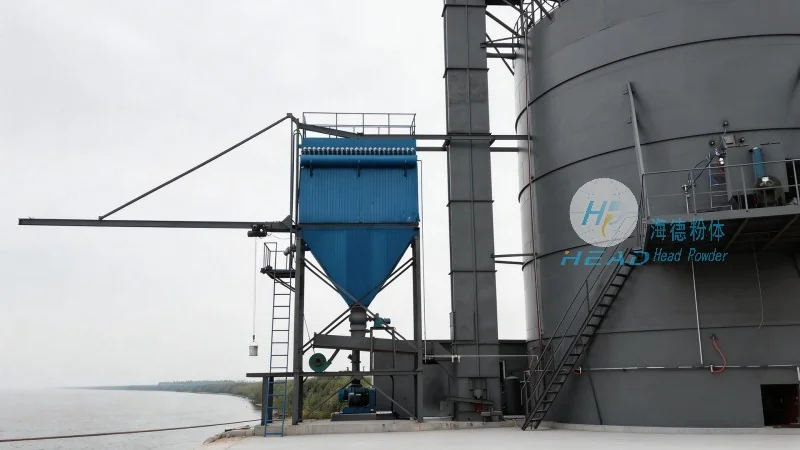
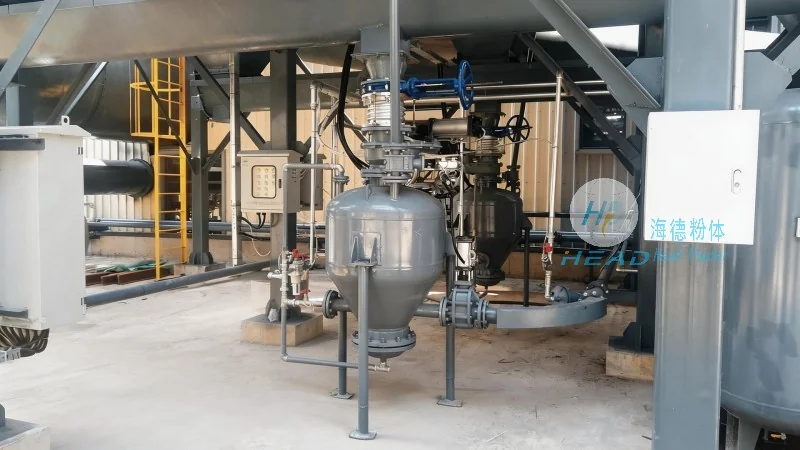
When selecting a pneumatic conveying system for carbon particulates, several classification factors come into play. The first is the type of gas used, typically air or inert gases like nitrogen, depending on the material's reactivity and the need for explosion prevention. The second is the system configuration, which can be either positive pressure (where the conveying air is under pressure) or negative pressure (suction-based). Positive pressure systems are commonly used for bulk material handling, offering higher pressure capabilities and better control over material flow. Negative pressure systems, on the other hand, are suitable for applications requiring dust-free environments or the transport of materials from multiple sources. Additionally, the system design may incorporate features like cyclone separators, filters, and pressure vessels to ensure efficient material separation and system maintenance.
Applications of carbon particle pneumatic conveying span a wide range of industries, each leveraging the unique properties of carbon materials. In the battery manufacturing sector, for example, carbon black and graphite are critical components in lithium-ion battery anodes and cathodes. Pneumatic conveying systems enable precise and contamination-free delivery of these materials to production lines, ensuring consistent battery performance and quality. The chemical industry also relies on such systems for the transport of activated carbon, which is used in adsorption processes to purify gases and liquids. In the pharmaceutical and food processing industries, where material purity is paramount, pneumatic conveying provides a hygienic and dust-free method to handle carbon-based ingredients, meeting stringent regulatory standards. Furthermore, in the steel and foundry industries, carbon particulates are used as reductants and additives in metal production, and pneumatic conveying facilitates their efficient integration into the manufacturing process.
HeadPowder's expertise in carbon particle pneumatic conveying is evident in its comprehensive approach to system design and implementation. The company's engineers work closely with clients to assess their specific material characteristics, process requirements, and operational constraints, developing customized solutions that meet both technical and economic objectives. By leveraging advanced engineering principles and state-of-the-art equipment, HeadPowder ensures that its pneumatic conveying systems deliver optimal performance, reliability, and longevity. The company's commitment to quality and innovation has made it a preferred choice for businesses seeking to enhance their material handling capabilities and improve overall operational efficiency.
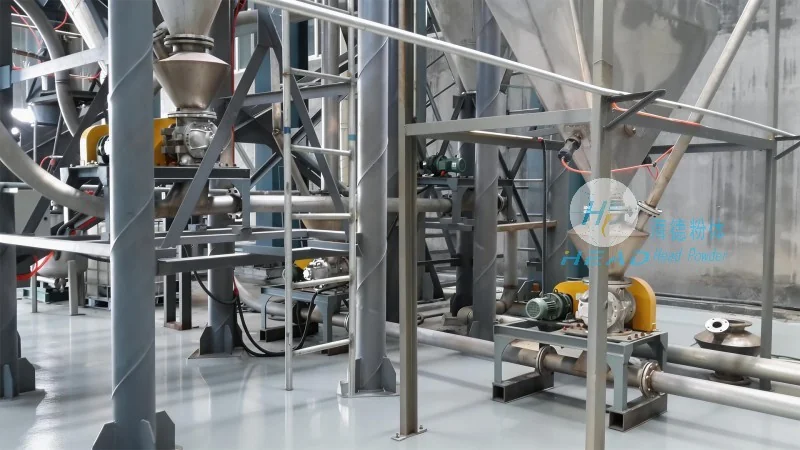
As industries continue to demand more efficient and sustainable material transport solutions, the importance of advanced pneumatic conveying systems for carbon particulates cannot be overstated. HeadPowder, with its strong foundation in engineering excellence and a deep understanding of carbon material properties, remains at the forefront of providing cutting-edge solutions that address the evolving needs of modern manufacturing. Through continuous research and development, the company is dedicated to advancing the technology of carbon particle pneumatic conveying, helping clients achieve their production goals while minimizing environmental impact and operational costs.