

Components of Pneumatic Transport for Chromium(III) Oxide
When discussing the pneumatic transport of chromium(III) oxide, it's essential to understand the key components that make up an effective and reliable system. This process involves the use of air or other gases to move the solid material through a network of pipes and equipment. For industries dealing with this specific chemical, the composition of the transport system is critical to ensure efficiency, safety, and product integrity.
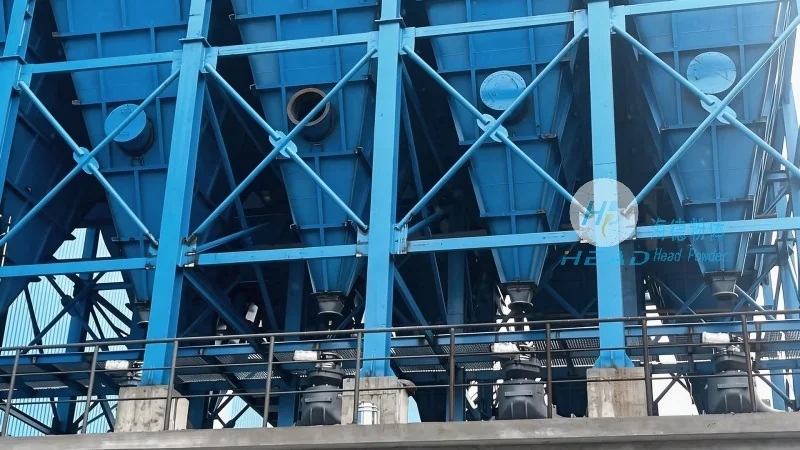
Key Components of a Chromium(III) Oxide Pneumatic Transport System
The pneumatic transport system for chromium(III) oxide typically consists of several interconnected parts, each playing a vital role in the overall operation. The primary components include the material feeding system, the air or gas supply unit, the transport pipeline network, and the separation and collection equipment. Each of these elements must be carefully designed and maintained to handle the unique properties of chromium(III) oxide, such as its density, particle size, and potential reactivity.
Material Feeding and Preparation
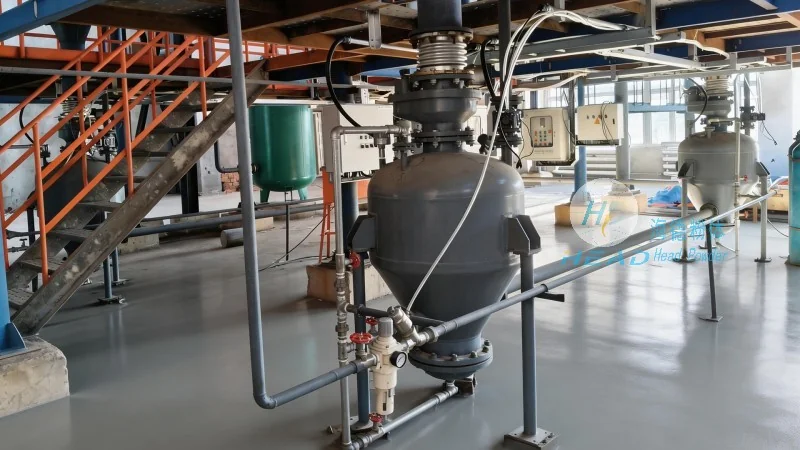
The first step in the pneumatic transport process is the proper feeding of chromium(III) oxide into the system. This often involves a hopper or feeder that can handle the bulk material and regulate the flow rate. For chromium(III) oxide, which may have varying particle sizes, a pre-screening or grinding step might be included to ensure uniformity. The feeding system must be equipped with a valve or gate to control the material discharge, preventing blockages and maintaining consistent flow. In the case of the system provided by Shandong HeadPowder Engineering Co., Ltd., known as headpowder, their feeding mechanisms are engineered to handle the specific characteristics of chromium(III) oxide, ensuring smooth and continuous operation.
Air or Gas Supply System
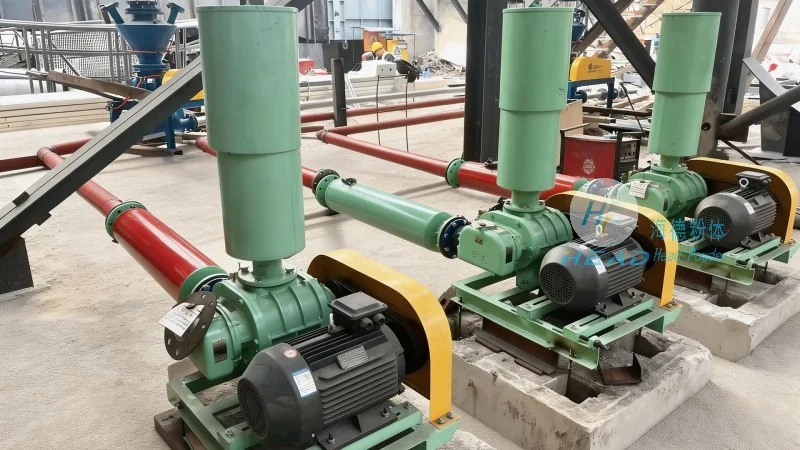
The pneumatic transport relies on a powerful air or gas supply to create the necessary pressure and flow to move the material. This system typically includes a blower or compressor, which generates the required air pressure. The choice of gas (often air, but sometimes inert gases for specialized applications) is critical to prevent oxidation or other chemical reactions with the chromium(III) oxide. The supply system must also include filters and moisture control devices to maintain the purity of the gas and protect the equipment from corrosion or contamination. The blower or compressor used in the headpowder system is designed to deliver the appropriate volume and pressure, ensuring efficient transport without excessive energy consumption.
Transport Pipeline Network
The pipeline network is the backbone of the pneumatic transport system, responsible for conveying the chromium(III) oxide from the feeding point to the destination. The pipes are usually made of materials resistant to corrosion, such as stainless steel or special alloys, to withstand the chemical properties of chromium(III) oxide. The design of the pipeline includes considerations for pressure drop, flow velocity, and the prevention of material buildup or blockages. The system may include bends, elbows, and other fittings that are carefully sized and positioned to minimize friction losses and maintain the material's velocity. The pipeline network in the headpowder system is engineered to optimize the transport efficiency, with appropriate pipe diameters and layout to ensure consistent material flow.
Separation and Collection Equipment
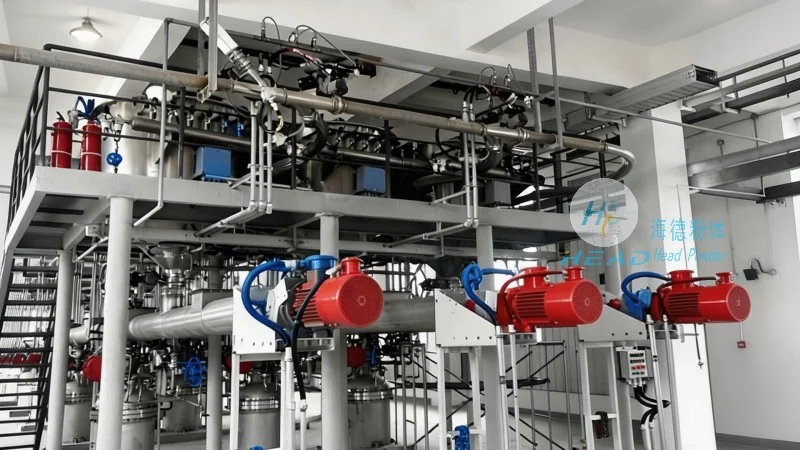
The final stage of the pneumatic transport process involves separating the chromium(III) oxide from the air or gas and collecting it at the destination. This is typically achieved using a cyclone separator or a bag filter, which uses centrifugal force or filtration to remove the solid particles from the gas stream. The separator must be designed to handle the particle size and density of chromium(III) oxide, ensuring high collection efficiency. The collected material is then discharged into a storage bin or container for further processing or use. The separation equipment in the headpowder system is designed to maximize the recovery rate of chromium(III) oxide while minimizing air emissions and maintaining environmental compliance.
Control and Monitoring Systems
Modern pneumatic transport systems for chromium(III) oxide are often equipped with advanced control and monitoring systems to ensure optimal performance and safety. These systems may include sensors to monitor pressure, flow rate, and material level, as well as control valves and automation devices to regulate the operation. The control system allows operators to adjust the flow rate, pressure, and other parameters in real-time, adapting to changes in the material feed or system conditions. The monitoring system provides alerts and notifications for any abnormalities, such as pressure drops or material blockages, enabling timely maintenance and preventing system failures. The headpowder system incorporates these advanced control features, enhancing the reliability and efficiency of the chromium(III) oxide pneumatic transport process.
Maintenance and Safety Considerations
Maintaining the pneumatic transport system for chromium(III) oxide requires regular inspection and maintenance to ensure its longevity and safety. This includes checking for wear and tear on components, cleaning or replacing filters, and inspecting the pipeline for leaks or corrosion. Safety considerations are paramount due to the potential hazards associated with chromium(III) oxide, such as respiratory irritation or skin contact. The system must be equipped with appropriate safety devices, such as pressure relief valves and emergency shut-off mechanisms, to prevent accidents. Additionally, the headpowder system adheres to strict safety protocols, ensuring that all operations are conducted in compliance with industrial safety standards and regulations.
In summary, the pneumatic transport of chromium(III) oxide is a complex process that relies on a well-designed system comprising several key components. From the material feeding and preparation to the air supply, pipeline network, separation equipment, and control systems, each part plays a crucial role in the efficient and safe transport of this chemical. Companies like Shandong HeadPowder Engineering Co., Ltd., with their expertise in the field, provide comprehensive solutions that address the specific needs of chromium(III) oxide pneumatic transport, ensuring high performance and reliability for industrial applications.