

Components of Dry Powder Air-Lift Conveying for Flocculants
Understanding the components of dry powder air-lift conveying systems is crucial for industries relying on efficient and reliable material handling, particularly in the context of flocculant applications. This article provides an overview of the key elements that constitute such systems, highlighting the technical and operational aspects that ensure optimal performance.
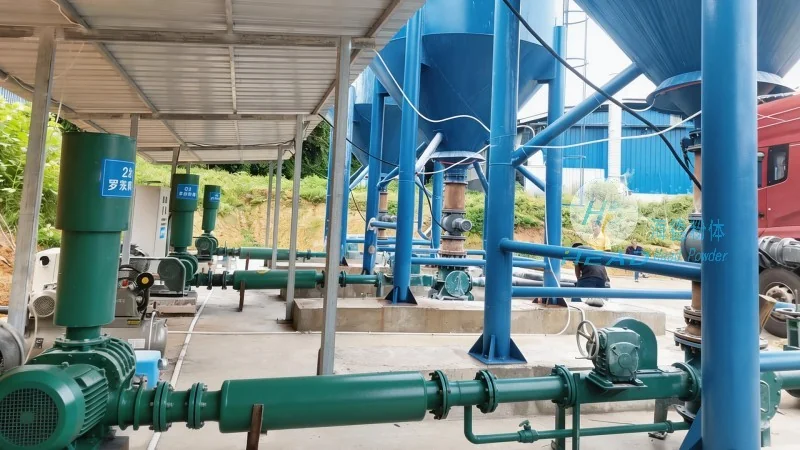
About Shandong HeadPowder Engineering Co., Ltd.
Shandong HeadPowder Engineering Co., Ltd., commonly known as headpowder, is a leading provider of specialized engineering solutions for material handling and processing. With a focus on innovation and quality, the company has established itself as a trusted partner in the industry, offering tailored systems that meet the unique demands of various applications.
Location and Operational Base
Headpowder is headquartered in Shandong, China, where the company leverages its local expertise and resources to develop and manufacture advanced air-lift conveying systems. The strategic location allows for efficient supply chain management and close collaboration with clients across the region.
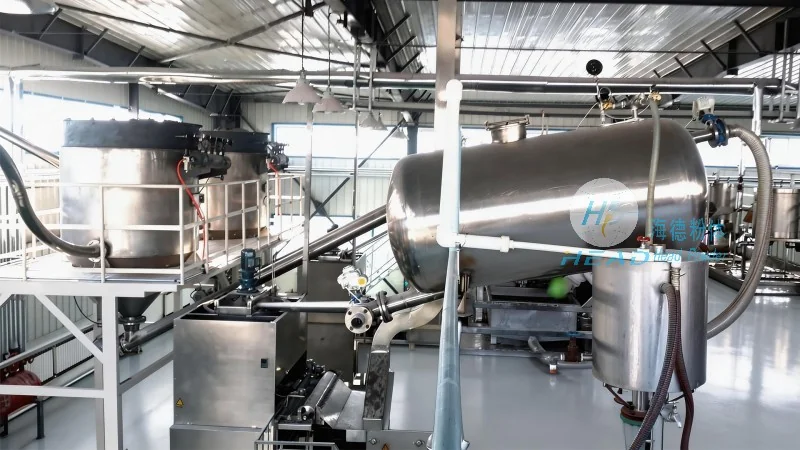
Key Components of Dry Powder Air-Lift Conveying Systems
The dry powder air-lift conveying system for flocculants typically consists of several critical components that work in concert to ensure smooth and efficient material transport. These components include the hopper, which serves as the storage vessel for the flocculant powder; the air lift pipe, which facilitates the upward movement of the material using air pressure; and the control valves and regulators that manage the flow and pressure of the conveying medium.
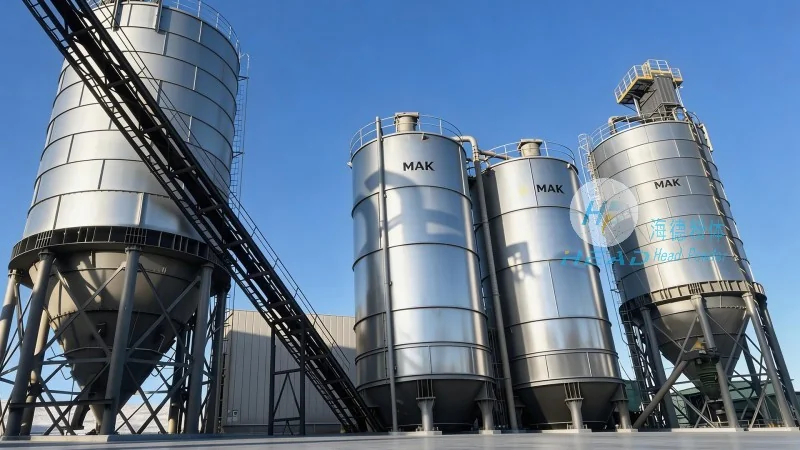
Additionally, the system may incorporate a dust collection and filtration unit to maintain air quality and prevent particle loss, as well as a discharge mechanism that ensures the flocculant is delivered to the target location without spillage or contamination. Each component is designed to withstand the specific challenges of handling flocculant powders, such as their fine particle size and potential for caking or agglomeration.
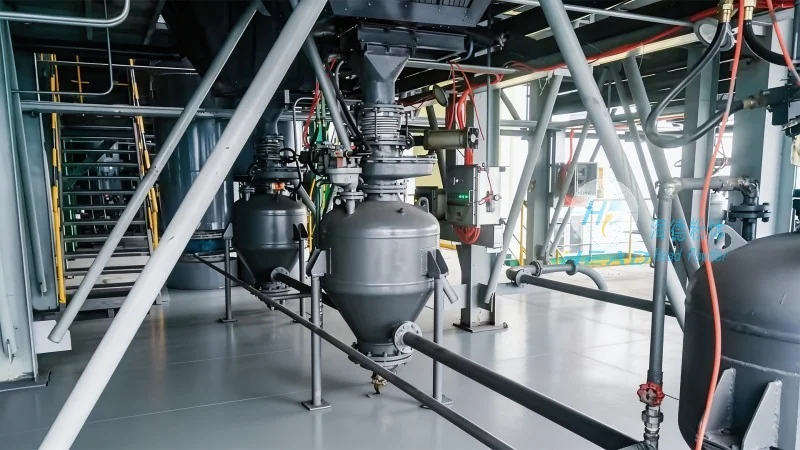
The hopper is often equipped with a feeding mechanism, such as a rotary valve or a screw feeder, to control the rate of material discharge. This ensures a consistent flow rate, which is essential for maintaining the stability of the air-lift process. The air lift pipe, typically made of corrosion-resistant materials like stainless steel or PVC, is designed to handle the abrasive nature of flocculant powders and prevent wear over time.
The control system, which may include sensors and automation equipment, monitors parameters such as pressure, flow rate, and temperature to optimize the conveying process. This not only enhances efficiency but also ensures safety by preventing over-pressurization or other operational hazards. The integration of these components results in a robust and reliable system that can handle varying loads and material characteristics.