

Components of Sawdust and Wood Chip Pneumatic Conveying Systems
Efficient and reliable transportation of sawdust and wood chips is crucial in various industrial applications, such as woodworking, biomass energy production, and material processing. Pneumatic conveying systems have emerged as a preferred solution due to their ability to handle bulk materials with minimal manual intervention. Understanding the components of these systems is essential for optimizing performance, ensuring safety, and maintaining operational efficiency. This article provides a detailed overview of the key components that make up sawdust and wood chip pneumatic conveying systems, highlighting the role of each element in the overall process.
Core Components of Pneumatic Conveying Systems
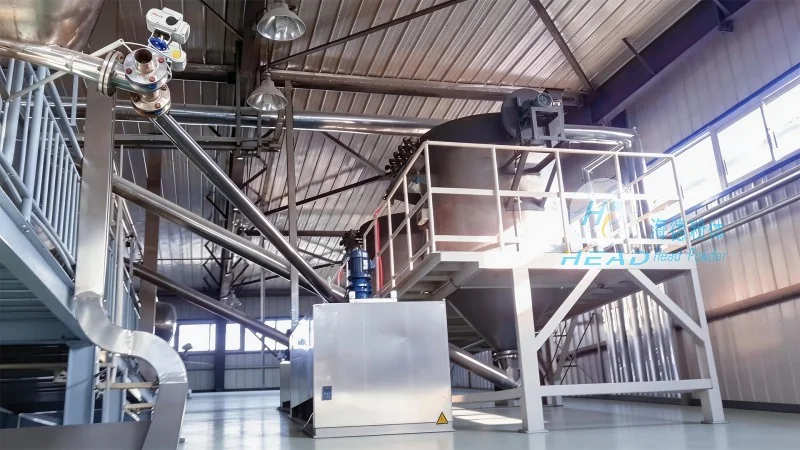
The pneumatic conveying system for sawdust and wood chips typically consists of several interconnected components that work in tandem to move material from the source to the destination. Each component plays a vital role in the system's functionality, and proper selection and maintenance are critical for optimal performance. The primary components include the material feeder, air supply system, conveying pipeline, separation and collection equipment, and control mechanisms.
Material Feeder
The material feeder is the initial component that introduces sawdust or wood chips into the conveying system. It is responsible for feeding the material at a consistent rate to ensure smooth and continuous operation. There are different types of feeders, such as rotary valves, screw feeders, and vibrating feeders, each designed to handle specific material characteristics and flow rates. For sawdust and wood chips, which are often lightweight and prone to bridging or segregation, a rotary valve or a specially designed screw feeder is commonly used. These feeders maintain a steady flow of material, preventing blockages and ensuring uniform particle distribution. The feeder's design also considers the material's moisture content and particle size, as these factors can affect the feeding process and overall system performance.
Air Supply System
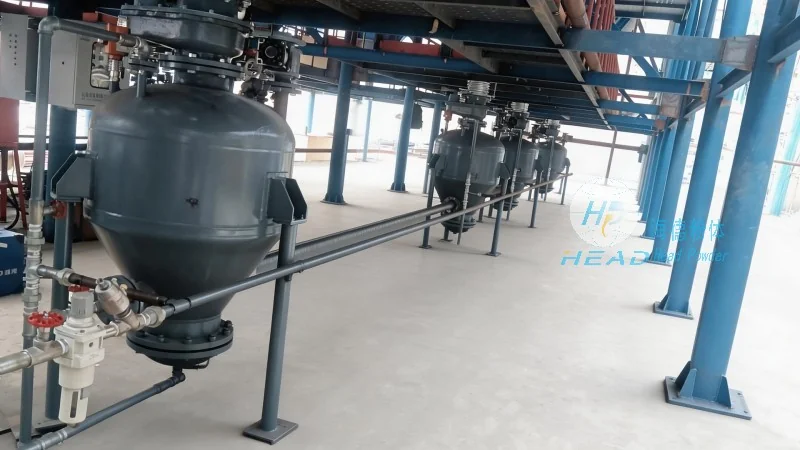
The air supply system is another critical component that provides the necessary pressure and volume of air to transport the material through the pipeline. This system typically includes an air compressor, air dryer, and filtration equipment. The air compressor generates the required pressure to move the material, while the air dryer removes moisture from the air to prevent condensation and material caking. Filtration systems are essential to remove contaminants from the air, ensuring that the conveying process is clean and efficient. The choice of air compressor depends on the system's capacity and the material's properties. For sawdust and wood chips, a positive displacement compressor or a rotary screw compressor is often used, as they can deliver consistent air pressure and volume. The air supply system must be sized appropriately to match the conveying requirements, ensuring that there is sufficient air to maintain the material's suspension and prevent system backpressure.
Conveying Pipeline
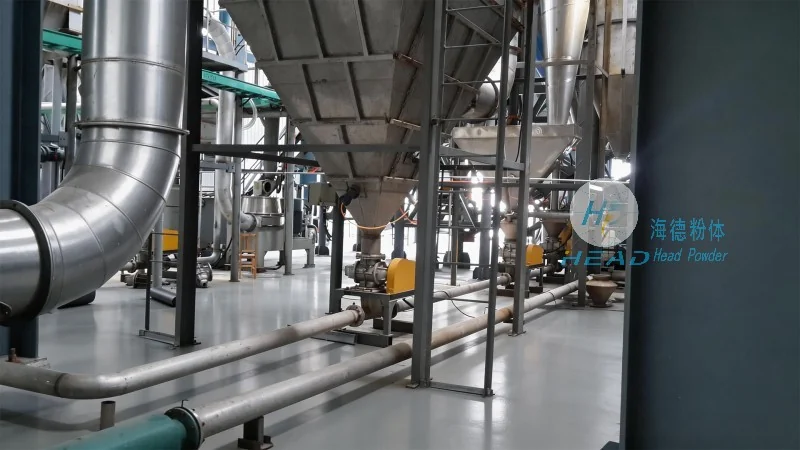
The conveying pipeline is the main channel through which the sawdust or wood chips are transported. It is typically made of materials such as stainless steel, aluminum, or plastic, depending on the material's corrosiveness and the system's operating conditions. The pipeline design considers factors like material flow rate, pressure drop, and system length. For long-distance conveying, a combination of horizontal and vertical sections may be used, with appropriate bends and elbows to maintain the material's velocity and prevent deposition. The pipeline's diameter and wall thickness are critical to minimize pressure losses and ensure efficient material transport. In some cases, the pipeline may include special sections, such as expansion joints or flexible connectors, to accommodate thermal expansion and reduce stress on the system components. Proper installation and maintenance of the pipeline are essential to prevent leaks and ensure consistent performance.
Separation and Collection Equipment
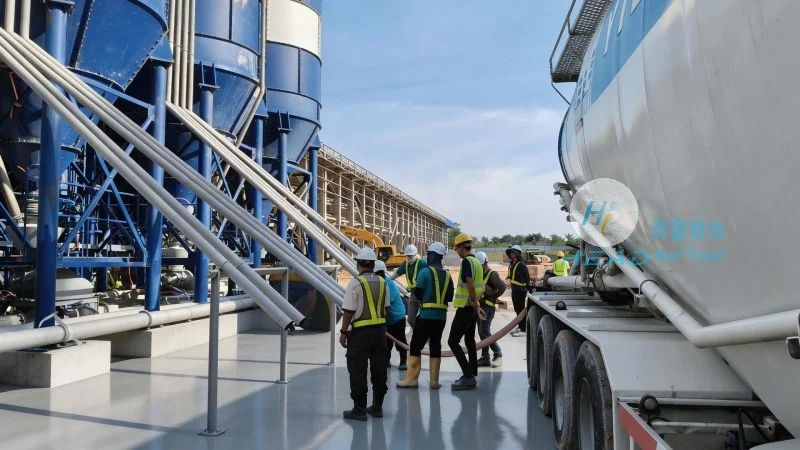
At the end of the conveying process, the material needs to be separated from the air and collected for further use. The separation and collection equipment includes a cyclone separator, baghouse filter, or a combination of both. The cyclone separator uses centrifugal force to separate the material from the air, directing the material to a collection hopper while allowing the air to exit through a vent. Baghouse filters are used to capture fine particles that may escape the cyclone separator, ensuring that the exhaust air is clean and meets environmental regulations. The collection hopper is designed to store the conveyed material until it is transferred to the next processing stage. The design of the separation equipment depends on the material's particle size and the system's capacity. For sawdust and wood chips, which are relatively large particles, a cyclone separator is often sufficient, but for finer materials, a baghouse filter may be added to improve efficiency. Proper maintenance of the separation equipment is crucial to prevent clogging and ensure that the material is collected effectively.
Control Mechanisms
The control mechanisms are responsible for monitoring and regulating the operation of the pneumatic conveying system. This includes sensors for pressure, flow rate, and material level, as well as control valves and a central control unit. The sensors provide real-time data on the system's performance, allowing operators to adjust the system parameters as needed. The control valves regulate the air flow and material feed rate, ensuring that the system operates within safe and efficient limits. The central control unit integrates all the sensors and control valves, providing a user-friendly interface for monitoring and controlling the system. The control mechanisms are essential for maintaining the system's stability and preventing overloading or underloading conditions. Proper calibration and regular maintenance of the control equipment are necessary to ensure accurate operation and prevent system failures.