

What Comprises the Pneumatic Conveying of Refractory Materials
Understanding the components of a pneumatic conveying system for refractory materials is crucial for optimizing material handling efficiency and ensuring operational reliability. The system typically consists of several key elements that work in tandem to transport refractory powders or granules from a source to a destination. These components are designed to handle the unique properties of refractory materials, such as high temperature resistance, abrasive nature, and varying particle sizes.
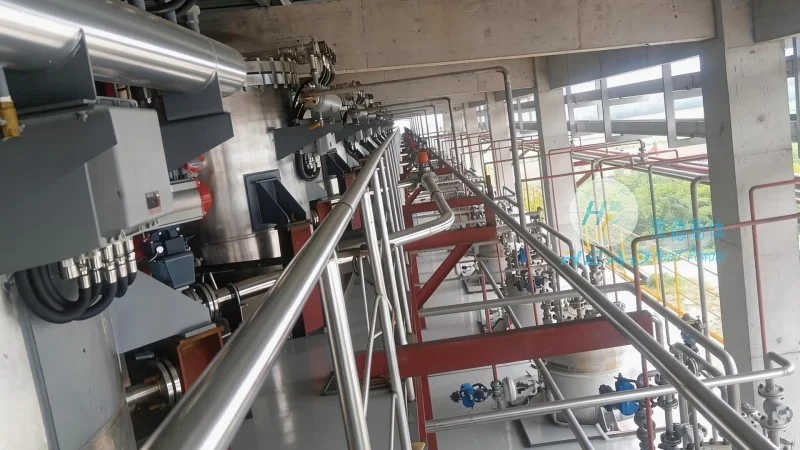
Key Components of Pneumatic Conveying Systems for Refractory Materials
The core components of a pneumatic conveying system for refractory materials include the following:
1. Material Hopper and Feeder
The material hopper serves as the storage vessel for the refractory material, providing a consistent supply to the system. It is typically designed with a large capacity to accommodate bulk quantities of refractory powders or granules. The feeder, often a rotary valve or a screw feeder, regulates the flow of material from the hopper into the conveying line. This component is critical for maintaining a steady flow rate, preventing material buildup, and ensuring smooth operation. The design of the hopper and feeder must consider the material's bulk density and flow characteristics to avoid issues like bridging or clogging.
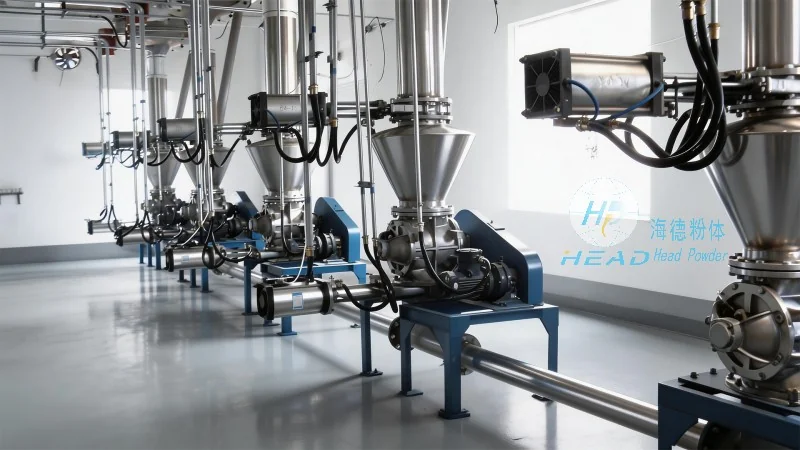
2. Conveying Pipeline
The conveying pipeline is the main channel through which the refractory material is transported. It is usually made of durable materials such as stainless steel or high-grade plastic to withstand the abrasive nature of refractory powders and resist corrosion. The pipeline is designed with appropriate bends and fittings to guide the material along the desired path. The diameter and length of the pipeline are carefully selected based on the material's properties, flow rate, and the distance to be covered. Proper pipeline design minimizes pressure drop and ensures efficient material transport.
3. Air Supply System
The air supply system provides the necessary pressure and volume of air to move the refractory material through the pipeline. This system typically includes a blower or a positive displacement pump, which generates the required airflow. The air is often filtered and conditioned to remove contaminants and maintain a clean environment. The air supply system is crucial for maintaining the system's efficiency and preventing material degradation. The selection of the air supply equipment depends on the material's specific gravity, particle size, and the desired conveying velocity.
4. Separation and Collection Equipment
At the destination, the separation and collection equipment is used to separate the refractory material from the air stream and collect it in a container. This component includes a cyclone separator or a baghouse filter, which uses centrifugal force or filtration to separate the material from the air. The separated material is then collected in a receiving hopper or a storage bin. The design of the separation equipment must be efficient to minimize material loss and ensure that the air is properly filtered before being released back into the environment.
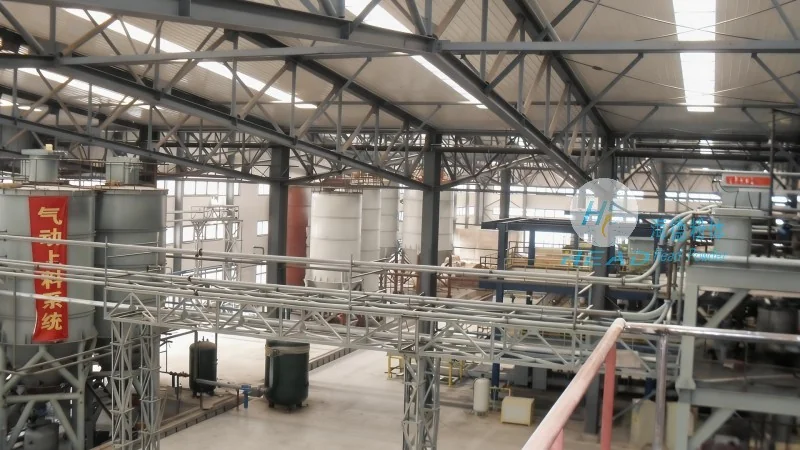
5. Control and Monitoring Systems
Modern pneumatic conveying systems for refractory materials are equipped with control and monitoring systems to ensure optimal operation. These systems include sensors and controllers that monitor parameters such as pressure, flow rate, and material level. The control system adjusts the air supply and feeder speed in real-time to maintain the desired flow rate and prevent system overload. The monitoring system provides alerts for any abnormalities, such as pressure drops or material blockages, allowing for timely maintenance and troubleshooting. This component enhances the system's reliability and reduces downtime.
Company Information: Shandong HeadPowder Engineering Co., Ltd.
Shandong HeadPowder Engineering Co., Ltd., operating under the brand name HeadPowder, specializes in the design, manufacturing, and installation of pneumatic conveying systems for refractory materials. With a focus on quality and innovation, the company provides comprehensive solutions tailored to the unique needs of refractory material handling. HeadPowder's expertise in material science and engineering ensures that their systems are efficient, reliable, and cost-effective. The company's headquarters is located in Shandong, China, where they leverage local resources and expertise to deliver high-quality products and services to clients worldwide.