

[Pneumatic Conveying of Polypropylene Resin Powder: What It Comprises]
Understanding the components involved in the pneumatic conveying of polypropylene resin powder is crucial for optimizing material handling processes in industrial applications. This article provides a detailed overview of the key elements that constitute such a system, focusing on the technical aspects and operational considerations essential for efficient resin powder transport.
Key Components of Pneumatic Conveying Systems for Polypropylene Resin Powder
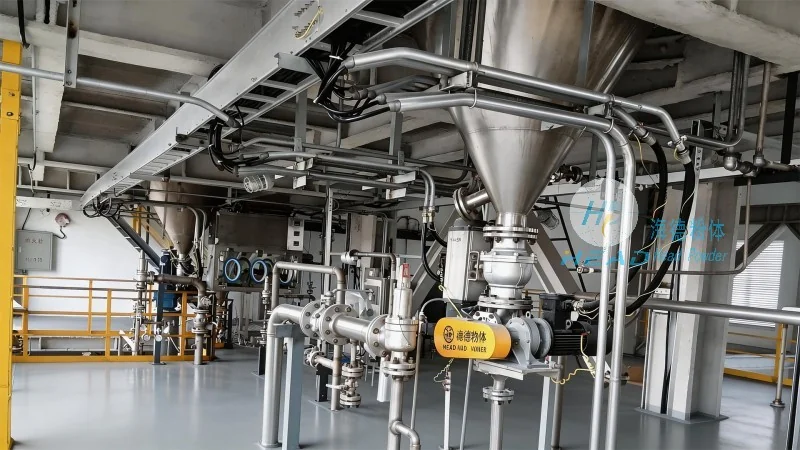
The pneumatic conveying of polypropylene resin powder typically involves several critical components working in concert to ensure reliable and efficient material transport. These components are designed to handle the specific properties of polypropylene resin, such as its granular or powdery form, density, and flow characteristics. The primary components include the material source, the conveying line, the air supply system, and the discharge equipment. Each of these elements plays a vital role in the overall performance of the system.
The Role of the Material Source in Pneumatic Conveying
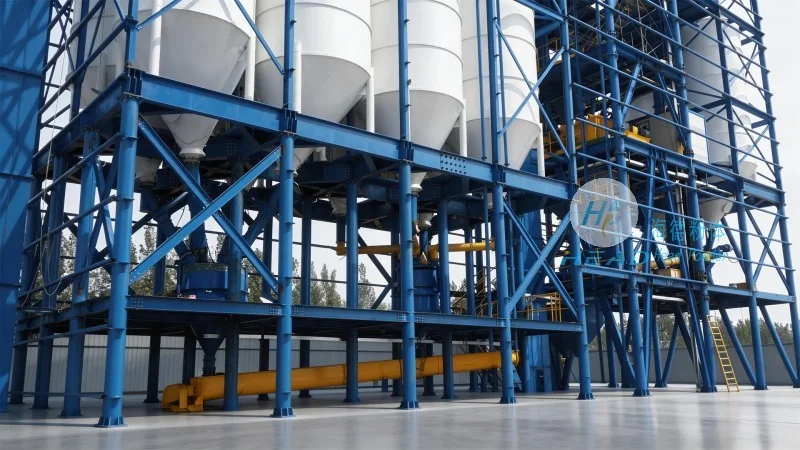
The material source, often a hopper or a storage silo, is the initial point where polypropylene resin powder is stored before being conveyed. This component must be equipped with appropriate feeding mechanisms to ensure a consistent and controlled flow of material into the conveying line. For polypropylene resin, which can be sensitive to moisture or contamination, the material source is typically designed with features that maintain material integrity, such as airtight seals and moisture-proofing measures. The design of the hopper or silo also influences the flow characteristics of the resin, as proper geometry helps prevent bridging or caking, which could disrupt the conveying process.
The Conveying Line: Tubing and Fittings
The conveying line, usually made of stainless steel or other corrosion-resistant materials, serves as the pathway for both the polypropylene resin powder and the conveying air. The choice of tubing material is critical, as polypropylene resin can be abrasive and may cause wear over time. Stainless steel or PTFE-lined tubing is commonly used to withstand the abrasive nature of the resin and resist corrosion from any residual chemicals or moisture. The line is equipped with various fittings, including elbows, tees, and bends, which are strategically placed to direct the flow of material and air. The design of these fittings is essential to minimize pressure losses and prevent material buildup, ensuring smooth and continuous transport.
The Air Supply System: Blowers and Compressors
The air supply system is a fundamental component of any pneumatic conveying system, responsible for generating the necessary pressure and airflow to move the polypropylene resin powder through the conveying line. This system typically includes a blower or a compressor, which can be either positive displacement or centrifugal types, depending on the system requirements. For polypropylene resin, which may have varying particle sizes and densities, the air supply must be capable of providing consistent pressure and volume to maintain a stable conveying velocity. The blower or compressor is often equipped with controls that adjust the airflow based on the material feed rate, ensuring optimal performance and preventing overpressurization or underpressurization, which could lead to system inefficiencies or material degradation.
Discharge Equipment: Receivers and Dosing Valves
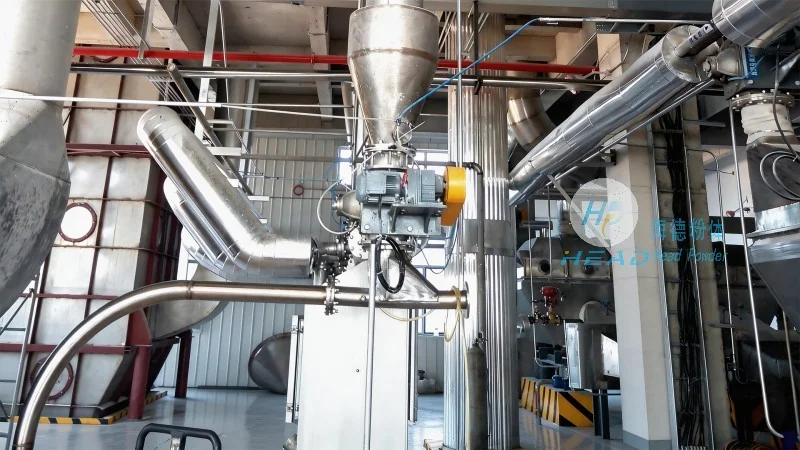
The discharge equipment, including receivers and dosing valves, is responsible for delivering the polypropylene resin powder to its final destination, such as a processing machine or a storage container. The receiver is typically a hopper or a tank designed to collect the material as it exits the conveying line. It may include features like a venting system to relieve pressure and a level indicator to monitor the material volume. The dosing valve, often a rotary valve or a slide valve, controls the flow rate of the resin into the processing equipment, ensuring precise and controlled dosing. For polypropylene resin, which may be used in applications requiring consistent particle size and flow properties, the discharge equipment must be designed to maintain material integrity and prevent segregation or agglomeration.
Control and Monitoring Systems
Modern pneumatic conveying systems for polypropylene resin powder are often equipped with control and monitoring systems to optimize performance and ensure operational safety. These systems may include pressure sensors, flow meters, and level indicators that provide real-time data on the system's operation. The control system can adjust the air supply, feeding rate, and discharge settings based on the feedback from these sensors, ensuring that the system operates within optimal parameters. Additionally, safety features such as pressure relief valves and emergency shut-off mechanisms are integrated into the system to prevent accidents and protect personnel and equipment.
Operational Considerations for Efficient Polypropylene Resin Powder Conveying
Efficient operation of a pneumatic conveying system for polypropylene resin powder requires careful consideration of several operational factors. The system must be designed to handle the specific properties of the resin, including its particle size distribution, moisture content, and flowability. Regular maintenance of the components, such as cleaning the conveying line and replacing worn parts, is essential to prevent material buildup and maintain system efficiency. Additionally, the system should be operated within the recommended pressure and flow ranges to avoid excessive wear or material degradation. Proper training of operators on the system's operation and safety protocols is also crucial to ensure reliable and safe operation.
Conclusion
In summary, the pneumatic conveying of polypropylene resin powder involves a combination of key components, including the material source, conveying line, air supply system, discharge equipment, and control systems. Each of these components plays a vital role in ensuring the efficient and reliable transport of polypropylene resin powder. By understanding the technical aspects and operational considerations of these components, industrial facilities can optimize their material handling processes and improve overall productivity. The expertise of companies like Shandong HeadPowder Engineering Co., Ltd., with their focus on engineering solutions for material handling, can provide valuable support in designing and implementing effective pneumatic conveying systems for polypropylene resin powder.