

What is Bamboo Powder Pneumatic Conveying? An Introduction to the Working Principle of Powder Handli
Understanding the mechanics of bamboo powder pneumatic conveying is essential for industries dealing with fine particulate materials. This process involves transporting dry powders, such as bamboo powder, through a system using air or gas as the conveying medium. The technology has become increasingly vital in sectors like manufacturing, where efficient and reliable powder handling is crucial for production efficiency and product quality.
What is Pneumatic Conveying?
Pneumatic conveying, also known as air conveying, is a method of transporting bulk materials in the form of dry powders or granules. It operates by creating a pressure differential within a pipeline system, which propels the material along with the air stream. This technique is widely used across various industries due to its ability to handle materials that are difficult to transport using traditional methods like belt conveyors or bucket elevators.
The Working Principle of Bamboo Powder Pneumatic Conveying
The core of bamboo powder pneumatic conveying lies in the interaction between the powder particles and the air flow. The process typically begins with the material being fed into a hopper or feeder, where it is then introduced into a pipeline. As the air is compressed and directed through the pipeline, it creates a flow that lifts and transports the powder particles. The velocity of the air is critical; it must be sufficient to overcome the gravitational forces acting on the particles and maintain their suspension within the air stream.
There are two primary types of pneumatic conveying systems: pressure and vacuum. In pressure systems, the air is compressed and fed into the pipeline at a higher pressure than the ambient environment. This method is suitable for long-distance or high-volume transport, as it can maintain a consistent flow of material. Conversely, vacuum systems use a vacuum pump to draw air and material into the pipeline, which is ideal for short-distance or localized applications where the material needs to be collected from multiple points.
Key Components of a Bamboo Powder Pneumatic Conveying System
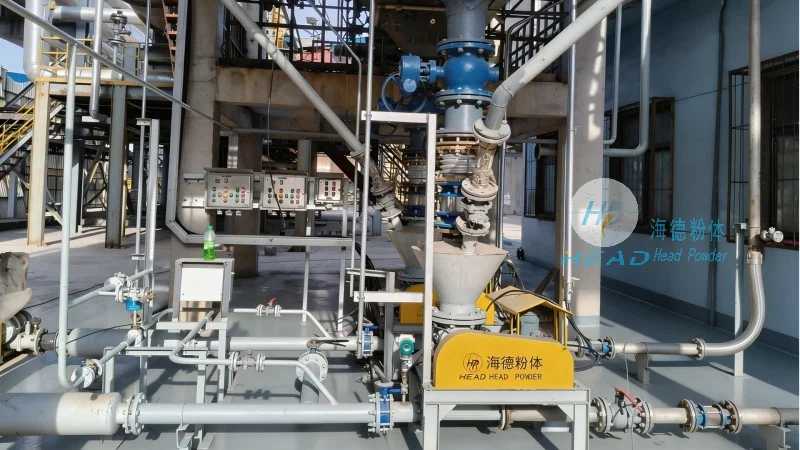
A typical bamboo powder pneumatic conveying system comprises several essential components that work in tandem to ensure efficient operation. These include the material feeder, which controls the flow rate of the powder into the system; the air compressor or vacuum pump, which generates the necessary air pressure or vacuum; the pipeline network, which transports the material; and the receiver or discharge hopper, where the material is collected at the end of the system.
Each component plays a vital role in maintaining the integrity and efficiency of the conveying process. The feeder ensures a consistent feed rate, preventing blockages or uneven material flow. The air compressor or vacuum pump provides the driving force, while the pipeline network must be designed to minimize pressure losses and maintain the air velocity required for proper material suspension. The receiver is crucial for safely collecting the material and preventing dust emissions, which is particularly important for materials like bamboo powder that may be fine and potentially hazardous if not handled properly.
Benefits of Using Pneumatic Conveying for Bamboo Powder
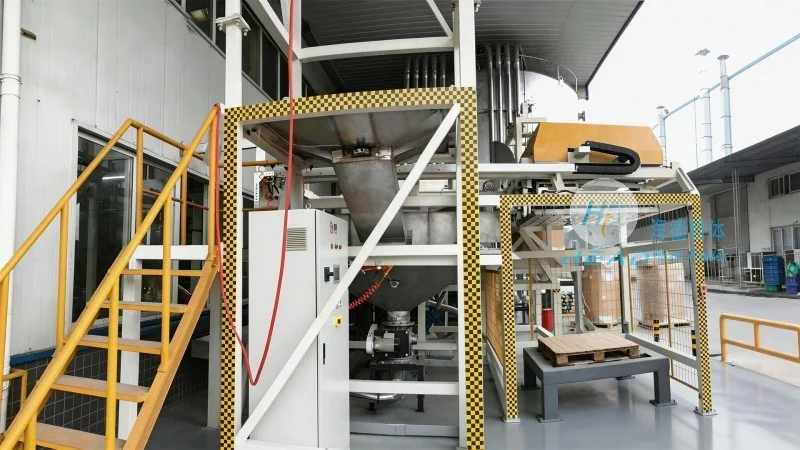
Implementing pneumatic conveying for bamboo powder offers several advantages over traditional handling methods. One of the most significant benefits is the ability to transport materials in a closed system, which helps to contain dust and prevent contamination. This is particularly important in food processing or pharmaceutical industries where product purity is paramount. Additionally, pneumatic conveying systems can be designed to handle materials with varying properties, such as moisture content or particle size, making them versatile for different applications.
Another advantage is the reduced risk of material degradation compared to other methods. Since the material is not in direct contact with mechanical components like belts or buckets, there is less chance of abrasion or breakage. This is especially beneficial for delicate materials like bamboo powder, which may be prone to clumping or degradation if subjected to excessive friction or pressure.
Furthermore, pneumatic conveying systems can be integrated with other processing equipment, such as mixers or classifiers, to create a seamless production line. This integration enhances overall operational efficiency by minimizing material handling time and reducing the need for manual intervention. The automation capabilities of these systems also contribute to improved safety and consistency in the production process.
Applications of Bamboo Powder Pneumatic Conveying
Bamboo powder pneumatic conveying is utilized in a wide range of applications across various industries. In the manufacturing sector, it is commonly used for transporting raw materials to production lines, such as in the production of bamboo-based composites or paper products. The food industry also benefits from this technology, as it allows for the efficient handling of bamboo powder used in food supplements or dietary products.
In the pharmaceutical industry, pneumatic conveying is employed to transport fine powders used in the formulation of medications. The closed system ensures that the materials remain sterile and free from contamination, which is critical for maintaining product quality and safety standards. Additionally, the technology is used in the chemical industry for handling various powders, including those used in the production of fertilizers or coatings.
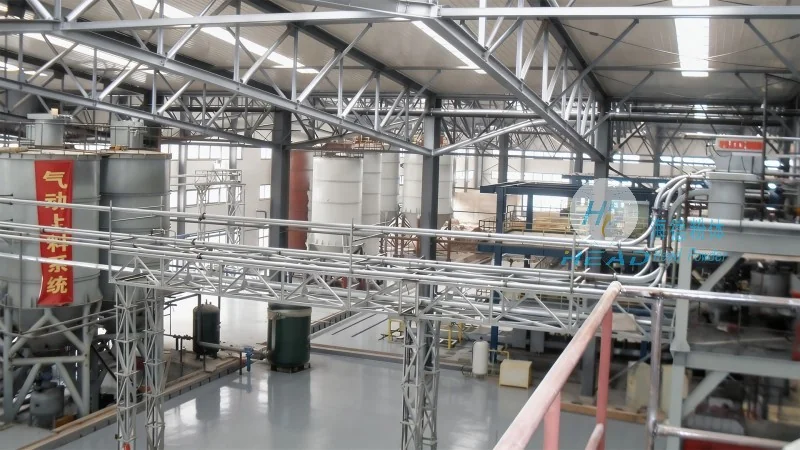
Even in the agricultural sector, pneumatic conveying systems are utilized for the transport of bamboo powder or other agricultural byproducts. This helps to streamline the processing of raw materials and improve the overall efficiency of agricultural operations. The versatility of pneumatic conveying makes it a suitable solution for a variety of applications, from small-scale operations to large industrial facilities.
Considerations for Implementing Bamboo Powder Pneumatic Conveying
When considering the implementation of a bamboo powder pneumatic conveying system, several factors must be taken into account to ensure optimal performance and efficiency. The first consideration is the material properties of the bamboo powder, such as its particle size distribution, moisture content, and flowability. These characteristics will determine the type of conveying system and the necessary equipment specifications.
Another critical factor is the system's capacity and the required conveying distance. The design of the pipeline network, including the diameter and length of the pipes, will impact the system's efficiency and the energy consumption. Proper sizing of the air compressor or vacuum pump is essential to maintain the required air velocity and pressure for effective material transport.
Installation and maintenance considerations are also important. The system must be installed in a way that minimizes pressure losses and ensures smooth material flow. Regular maintenance, such as cleaning the pipeline and replacing worn components, is necessary to prevent system downtime and ensure long-term reliability. Additionally, the system should be designed with safety features, such as dust collection and explosion-proof components, to protect personnel and equipment.
Conclusion
Bamboo powder pneumatic conveying is a sophisticated and efficient method for transporting fine particulate materials. By leveraging the principles of air or gas flow, this technology offers numerous benefits, including improved material handling efficiency, reduced contamination risks, and enhanced product quality. The implementation of such systems requires careful consideration of material properties, system design, and operational requirements to ensure optimal performance. For industries dealing with bamboo powder or similar materials, pneumatic conveying represents a reliable and effective solution for their powder handling needs.