

Application of Air-Pneumatic Conveying in the Bulk Transport of Phosphate Powder
Phosphate powder, a critical raw material in the production of fertilizers and other industrial chemicals, requires efficient and reliable bulk handling solutions to ensure smooth operations and cost-effectiveness. Among the various technologies available, air-pneumatic conveying stands out as a highly effective method for transporting phosphate powder over long distances and within industrial facilities. This article explores the application of air-pneumatic conveying in the bulk transport of phosphate powder, highlighting its advantages, operational principles, and the role of specialized engineering companies like Shandong HeadPowder Engineering Co., Ltd. (referred to as HeadPowder) in implementing these systems.
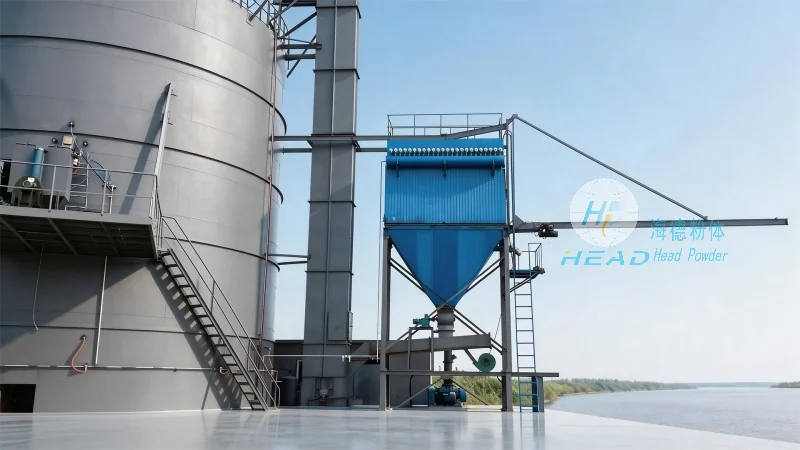
Understanding Air-Pneumatic Conveying for Phosphate Powder
At its core, air-pneumatic conveying uses a combination of air flow and pressure to move particulate materials like phosphate powder through a pipeline system. Unlike mechanical conveying methods that rely on belts, screws, or buckets, air-pneumatic systems utilize compressed air to create a flow that transports the material. This method is particularly suitable for phosphate powder due to its fine particle size and the need to avoid material degradation or contamination during transport.
Key Advantages of Air-Pneumatic Conveying
One of the primary benefits of air-pneumatic conveying for phosphate powder is its ability to handle materials with high moisture content or sensitive characteristics without causing clumping or degradation. The system’s enclosed pipeline design prevents exposure to external elements, maintaining the quality of the phosphate powder throughout the transport process. Additionally, air-pneumatic conveying offers flexibility in terms of layout, allowing for vertical and horizontal transport combinations, which is essential for complex industrial setups. The technology also reduces labor costs and operational downtime compared to traditional methods, as it eliminates the need for frequent maintenance of mechanical components.
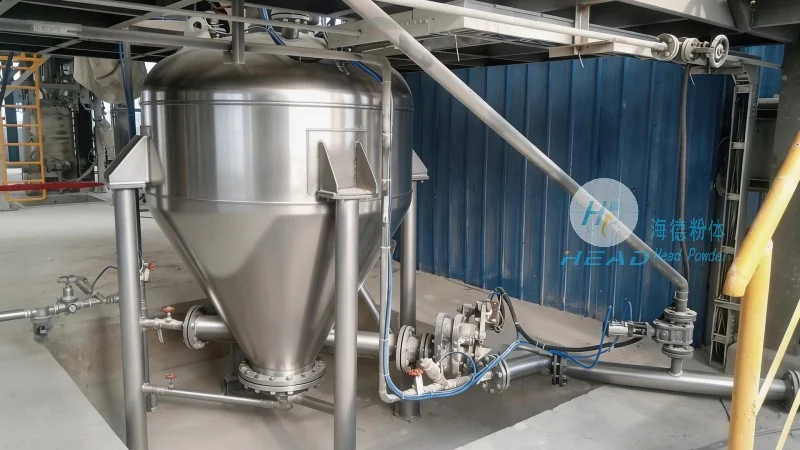
Operational Principles and System Components
The air-pneumatic conveying system for phosphate powder typically consists of several key components, including a material feed hopper, a conveyor line with air ducts, a separator or cyclone for material separation, and a discharge point. The process begins with the phosphate powder being fed into the hopper, where it is then drawn into the conveyor line by the air flow generated by a blower or compressor. The air flow carries the powder through the pipeline, and at the receiving end, a separator uses centrifugal force to separate the powder from the air, allowing the powder to be discharged into a storage or processing unit. The air is then filtered and returned to the system, completing the cycle.
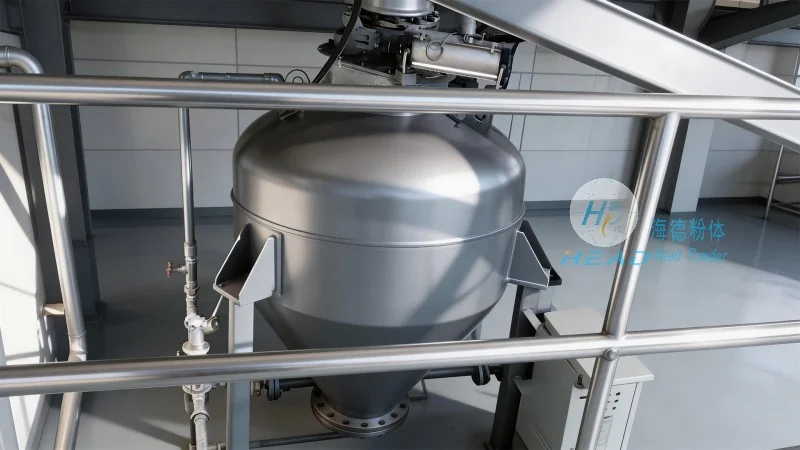
Customization and Engineering Solutions by HeadPowder
Shandong HeadPowder Engineering Co., Ltd., a leading provider of bulk material handling solutions, specializes in designing and manufacturing air-pneumatic conveying systems tailored to the specific needs of phosphate powder applications. The company’s expertise lies in understanding the unique properties of phosphate powder, such as its particle size distribution, moisture content, and flow characteristics, and translating these into optimized system designs. HeadPowder employs advanced engineering techniques, including computational fluid dynamics (CFD) simulations, to model and refine the conveying system, ensuring maximum efficiency and minimal energy consumption. The company’s solutions are scalable, ranging from small-scale laboratory systems to large industrial installations, and are designed to meet the highest standards of safety and environmental compliance.
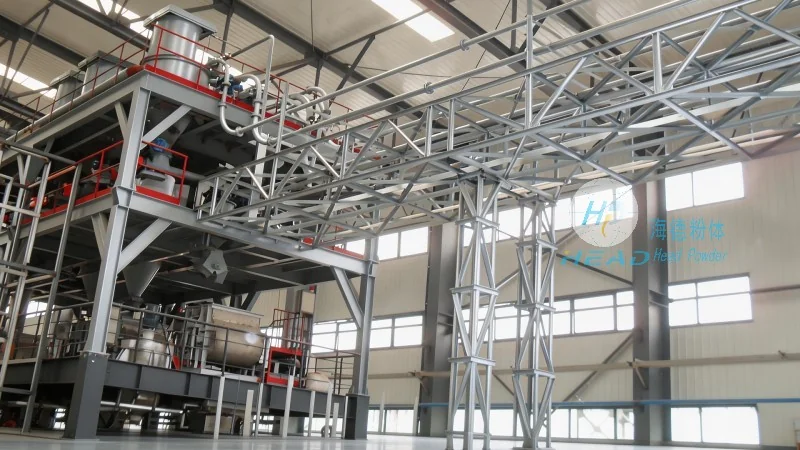
Implementation and Maintenance Considerations
Successful implementation of an air-pneumatic conveying system for phosphate powder requires careful consideration of several factors, including the system’s capacity, the distance of transport, and the specific requirements of the processing plant. HeadPowder provides comprehensive project management services, from initial system design and installation to post-commissioning support and maintenance. The company’s team of experienced engineers and technicians ensures that the system is installed correctly and operates efficiently, minimizing downtime and maximizing productivity. Regular maintenance, including filter cleaning, blower maintenance, and pipeline inspection, is crucial to maintaining the system’s performance and extending its lifespan. HeadPowder offers maintenance contracts and technical support to ensure that clients receive ongoing assistance and optimal system performance.
Conclusion
Air-pneumatic conveying represents a highly effective and efficient solution for the bulk transport of phosphate powder, offering numerous advantages over traditional mechanical conveying methods. With its ability to handle fine particulate materials, maintain product quality, and provide flexible system designs, air-pneumatic conveying is an essential technology in the phosphate industry. Shandong HeadPowder Engineering Co., Ltd. plays a vital role in implementing these systems, leveraging its expertise and engineering capabilities to deliver customized solutions that meet the specific needs of clients. By choosing air-pneumatic conveying, phosphate processing facilities can enhance their operational efficiency, reduce costs, and ensure the consistent quality of their product, contributing to the overall success of their operations.