

[Pneumatic Conveying in the Bulk Handling of Calcium Chloride]
When it comes to the efficient and reliable transport of bulk materials, especially in industries dealing with chemicals like calcium chloride, the choice of conveying method is critical. Pneumatic conveying stands out as a versatile and efficient solution that addresses the unique challenges associated with handling such materials. This article explores the application of pneumatic conveying systems in the bulk transport of calcium chloride, highlighting its benefits, technical considerations, and the role of specialized engineering companies in implementing such solutions.
The Unique Properties of Calcium Chloride and Their Impact on Conveying
Calcium chloride (CaCl₂) is a hygroscopic and highly soluble chemical compound widely used in various industries, including de-icing, water treatment, and construction. Its physical properties, such as high moisture absorption and the tendency to clump or agglomerate, pose significant challenges for traditional bulk handling methods. Conventional methods like belt conveyors or screw conveyors may struggle with material flow, leading to blockages, uneven discharge, and increased maintenance costs. Pneumatic conveying, by contrast, offers a solution that minimizes these issues by utilizing air to move the material through a pipeline system.
How Pneumatic Conveying Works in Calcium Chloride Handling
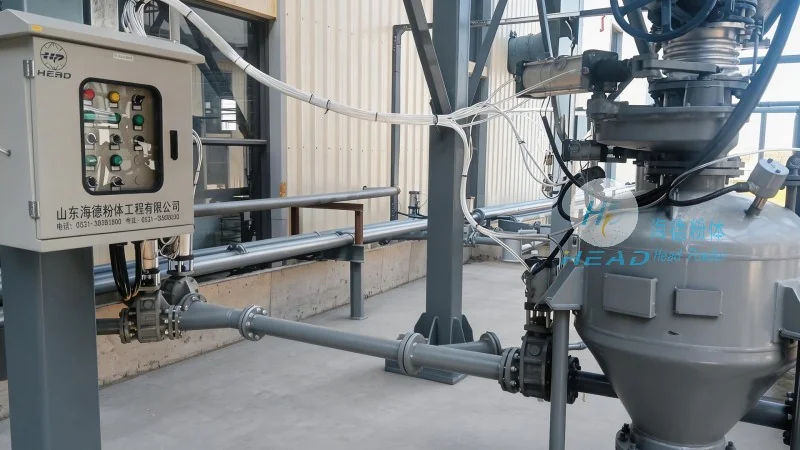
Pneumatic conveying systems operate by transporting bulk materials in a closed pipeline using air pressure. There are two primary types of pneumatic conveying: dilute-phase and dense-phase. Dilute-phase systems use low air velocity to move material particles suspended in the air, suitable for lighter materials or when long distances are involved. Dense-phase systems, on the other hand, use higher air pressure and lower velocity to push material in a more concentrated form, ideal for handling heavier or more abrasive materials like calcium chloride. In the case of calcium chloride, a dense-phase system is often preferred due to the material's density and its tendency to cause wear on equipment.
Key Advantages of Pneumatic Conveying for Calcium Chloride
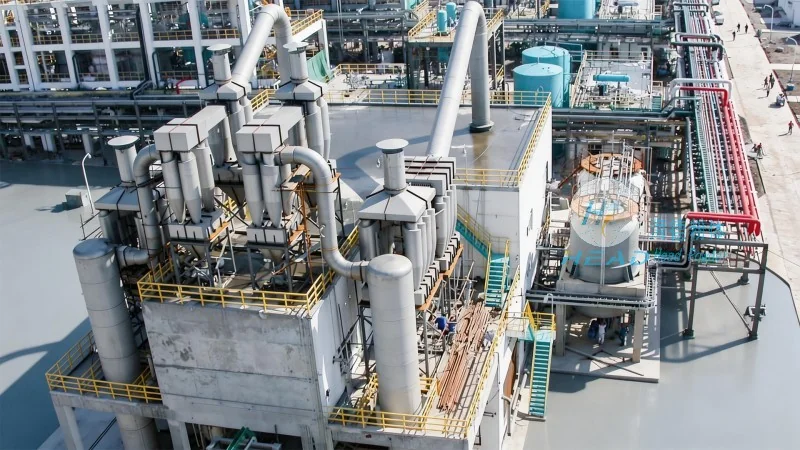
Implementing pneumatic conveying for calcium chloride offers several advantages over traditional methods. First, it provides a closed system that prevents dust emissions and contamination, which is crucial for maintaining environmental compliance and product purity. Second, the system allows for precise control over material flow rates and pressure, ensuring consistent and reliable delivery to the destination. Third, pneumatic conveying reduces the need for manual handling and handling equipment, minimizing labor costs and workplace hazards. Additionally, the system's ability to handle material at high temperatures or in corrosive environments makes it suitable for various industrial applications.
Technical Considerations for Pneumatic Conveying Systems
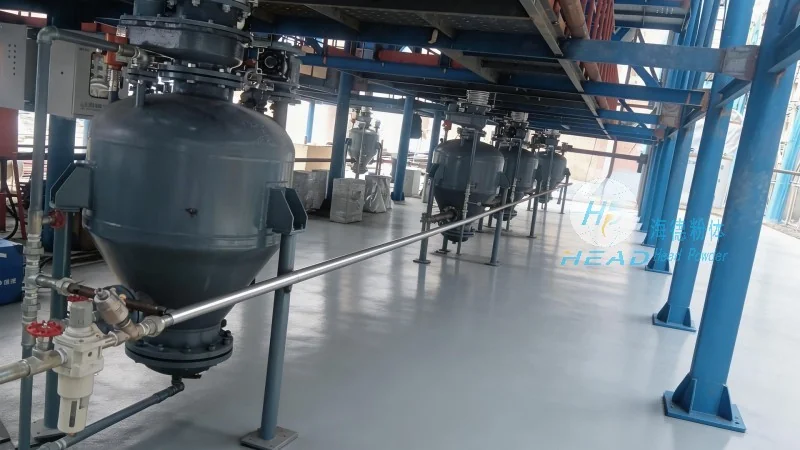
Designing an effective pneumatic conveying system for calcium chloride requires careful consideration of several technical factors. The first is the material's flow characteristics, including its bulk density, angle of repose, and abrasiveness. These properties determine the appropriate air velocity and pressure required to move the material without causing excessive wear on the pipeline or equipment. The second factor is the system's capacity and scale, which must be matched to the production and handling requirements of the facility. This includes considerations such as the length of the conveying line, the number of transfer points, and the need for any intermediate storage or processing steps. Third, the system's control and monitoring capabilities are essential for ensuring optimal performance and early detection of any issues, such as blockages or pressure drops.
Role of Specialized Engineering Companies in Implementing Pneumatic Conveying Solutions
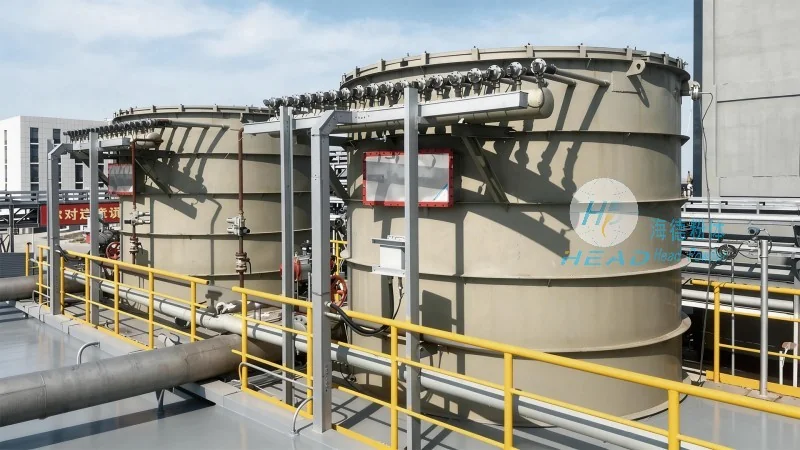
For industries seeking to implement pneumatic conveying systems for calcium chloride, partnering with a specialized engineering company is essential. Such companies, like Shandong HeadPowder Engineering Co., Ltd., offer comprehensive services from system design and engineering to installation and maintenance. They work closely with clients to understand their specific needs and challenges, providing customized solutions that meet their operational and budgetary requirements. HeadPowder, as a leading provider in the field, leverages years of experience and expertise to deliver high-quality pneumatic conveying systems that are tailored to the unique demands of calcium chloride handling. Their team of engineers and technicians ensures that the systems are designed to maximize efficiency, minimize downtime, and comply with industry standards and regulations.
Conclusion: The Benefits of Pneumatic Conveying for Calcium Chloride
In conclusion, pneumatic conveying is a highly effective and efficient method for the bulk handling of calcium chloride. By leveraging air pressure to transport the material through a closed pipeline system, it addresses the challenges associated with traditional methods, offering benefits such as reduced dust emissions, precise control, and lower maintenance costs. The success of such systems depends on careful design and implementation, which is where specialized engineering companies like Shandong HeadPowder Engineering Co., Ltd. play a crucial role. With their expertise and commitment to quality, these companies help industries achieve reliable and cost-effective calcium chloride transport, supporting their operational needs and contributing to overall productivity.