

[Pneumatic Conveying in the Bulk Handling of Barium Carbonate]
HeadPowder, a leading engineering firm based in Shandong, China, specializes in advanced material handling solutions, including pneumatic conveying systems tailored for the efficient transport of bulk materials like barium carbonate. This article explores the application of pneumatic conveying technology in the bulk handling of barium carbonate, highlighting the technical advantages and practical considerations for industries relying on this mineral compound.
Introduction to Pneumatic Conveying Systems
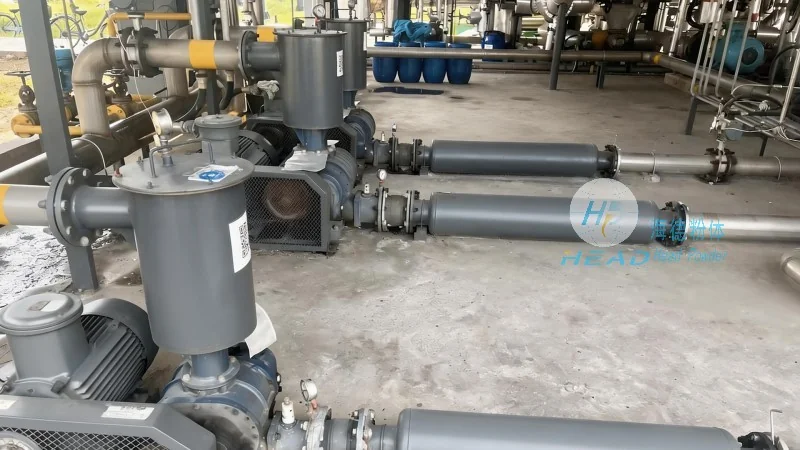
Pneumatic conveying, also known as air conveying, is a method of transporting bulk solids through a pipeline using pressurized or vacuum air. This technology offers a flexible and efficient solution for moving materials such as barium carbonate, which is commonly used in industries like ceramics, glass, and chemical manufacturing. The system typically consists of a material feed hopper, a conveying line, and a discharge unit, with air provided by a blower or compressor. Compared to traditional mechanical conveying methods like belt conveyors or screw conveyors, pneumatic conveying provides advantages in terms of reduced equipment footprint, lower maintenance requirements, and the ability to handle materials with high moisture content or fine particle sizes.
Key Benefits of Pneumatic Conveying for Barium Carbonate
When applied to the bulk handling of barium carbonate, pneumatic conveying systems deliver several key benefits that enhance operational efficiency and product quality. First, the technology minimizes product contamination and degradation, which is critical for barium carbonate used in sensitive applications such as pharmaceuticals or specialty chemicals. The enclosed pipeline system prevents exposure to environmental factors like dust or moisture, ensuring the material remains in its original state. Second, pneumatic conveying allows for precise control over material flow rates and pressure, enabling accurate dosing and batching processes. This is particularly valuable in production lines where consistent quality is paramount. Third, the system can handle long-distance transport with minimal energy consumption, reducing operational costs while maintaining high throughput. Additionally, the flexibility of pneumatic conveying systems allows for easy integration with existing production facilities, adapting to varying production demands without significant modifications.
Technical Considerations for Barium Carbonate Handling
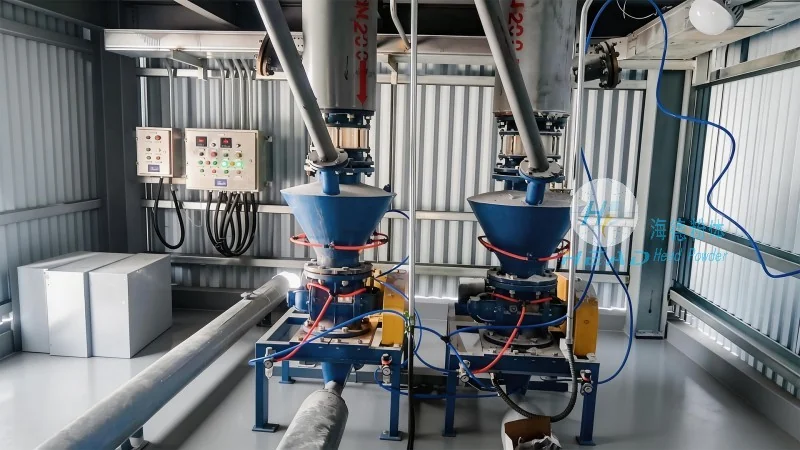
Implementing a pneumatic conveying system for barium carbonate requires careful consideration of several technical factors to ensure optimal performance and longevity. Particle size and density are primary considerations, as they directly impact the air velocity required for effective transport. Barium carbonate typically has a relatively fine particle size, which may necessitate higher air speeds or specialized equipment to prevent clogging or blockages in the pipeline. The system design must also account for the material's flow characteristics, including its angle of repose and cohesive properties, to avoid material bridging or arching in the hopper or conveying line. Additionally, the choice of pipeline material is critical, as barium carbonate can be abrasive and corrosive to certain metals. Stainless steel or specialized plastic liners are often preferred to prevent wear and maintain material purity. The blower or compressor selection is another key factor, as it must provide sufficient pressure and airflow to overcome pipeline resistance and maintain consistent material transport. Regular maintenance and monitoring of the system are essential to detect and address issues such as air leaks or material buildup, which can impact performance and efficiency.
Case Study: Successful Implementation by HeadPowder
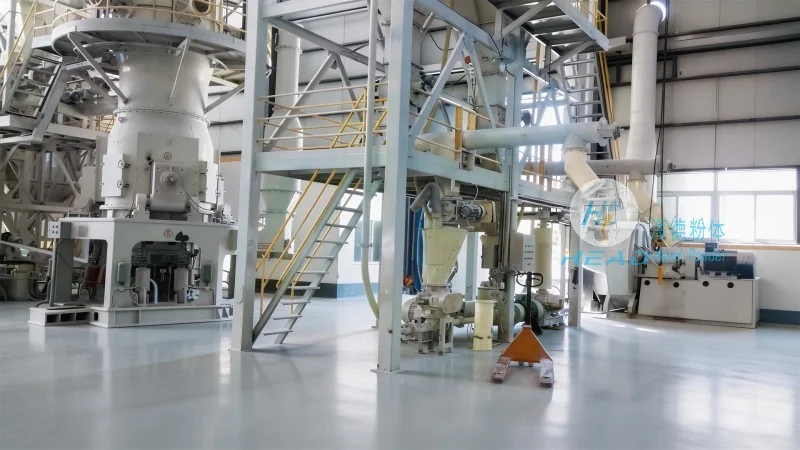
HeadPowder Engineering Co., Ltd., based in Shandong, China, has successfully implemented pneumatic conveying systems for barium carbonate in various industrial applications. One notable project involved a glass manufacturing plant that required the efficient transport of barium carbonate from storage silos to the production line. The company designed a custom pneumatic conveying system featuring a high-capacity blower, stainless steel pipelines, and a discharge unit tailored to the plant's specific requirements. The system was installed with minimal disruption to the existing production process, and the client reported significant improvements in material handling efficiency and product quality. The system's ability to maintain consistent flow rates and prevent contamination ensured that the glass products met stringent quality standards. Another case study involved a chemical manufacturing facility that needed to transport barium carbonate to a processing unit over a distance of 200 meters. HeadPowder's engineers optimized the system by adjusting the air velocity and pipeline diameter to achieve the required throughput while minimizing energy consumption. The client experienced reduced operational costs and increased production capacity, demonstrating the effectiveness of pneumatic conveying in bulk material handling.
Conclusion and Future Outlook
Pneumatic conveying technology offers a reliable and efficient solution for the bulk handling of barium carbonate, providing industries with a flexible and cost-effective method to transport this critical mineral compound. As demand for barium carbonate continues to grow in sectors like ceramics and specialty chemicals, the adoption of advanced material handling systems like pneumatic conveying will become increasingly important. HeadPowder Engineering Co., Ltd., with its expertise in engineering and material handling solutions, remains committed to delivering tailored systems that meet the specific needs of clients, ensuring optimal performance and long-term operational success. By leveraging the advantages of pneumatic conveying, industries can enhance productivity, maintain product quality, and reduce operational costs, making it a preferred choice for bulk material transport in the modern manufacturing landscape.