

Solid Powder Pneumatic Conveying Technology: In-Depth Analysis and Application of Negative Pressure
HeadPowder, a leading provider in the field, specializes in advanced pneumatic conveying solutions for solid powder materials. This article delves into the core technologies of negative pressure and positive pressure systems, exploring their applications, advantages, and practical implementations.
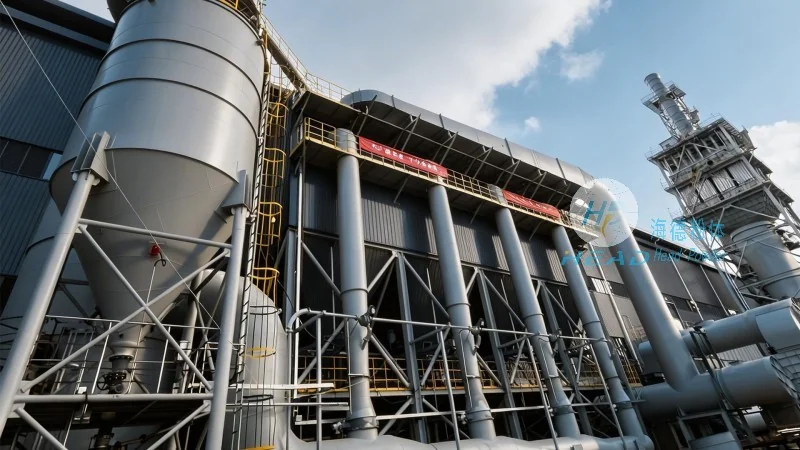
About HeadPowder Engineering Co., Ltd.
HeadPowder, formally known as Shandong HeadPowder Engineering Co., Ltd., is headquartered in Shandong, China. The company is dedicated to developing and providing efficient, reliable pneumatic conveying systems tailored to the needs of various industries, including chemical, food, pharmaceutical, and more.
In-Depth Analysis of Negative Pressure Pneumatic Conveying
Negative pressure, or suction, pneumatic conveying systems operate by creating a vacuum at the material inlet, drawing powder from the source to the conveying line. This method is particularly effective for applications requiring the transport of materials from multiple points or over longer distances, as it can handle a wide range of powder types, from fine to coarse particles. The system typically includes a vacuum pump, a hopper with a feeder, and a conveying line that may incorporate bends and filters to maintain material quality and system efficiency.
Key advantages of negative pressure systems include their ability to handle materials with high moisture content or those that are prone to dust explosion risks, as the sealed system prevents dust from escaping into the environment. Additionally, these systems are often more cost-effective for shorter to medium-distance transport, as they require less complex infrastructure compared to positive pressure systems. However, they may face limitations in handling highly abrasive or sticky powders, as the suction process can lead to increased wear on components and potential blockages if not properly maintained.
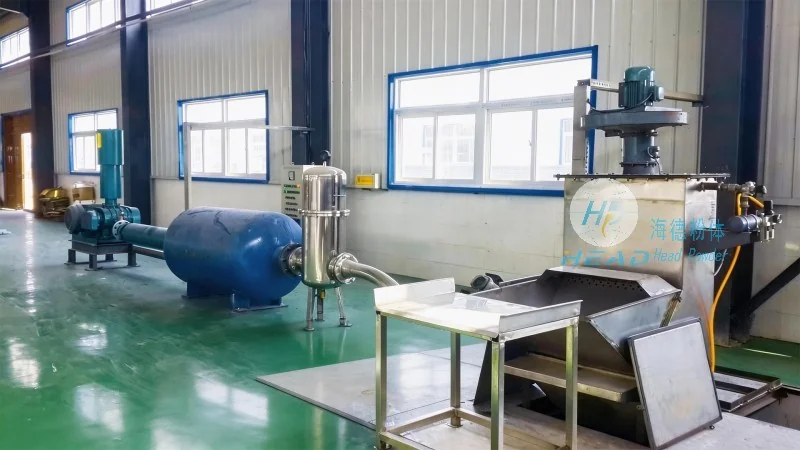
In-Depth Analysis of Positive Pressure Pneumatic Conveying
Positive pressure, or pressure, pneumatic conveying systems work by compressing air and pushing it through a sealed line, carrying the powder from the source to the destination. This method is ideal for applications requiring high transport rates, short to medium distances, and the handling of abrasive or sticky materials. The system consists of a blower, a hopper with a feeder, and a conveying line equipped with valves and filters to ensure smooth material flow and prevent system contamination.
Positive pressure systems offer several benefits, such as their ability to handle high-volume material transport and their suitability for materials that are sensitive to moisture or air exposure. The sealed system also minimizes dust emissions and protects the material from environmental factors. However, they may require more robust components to withstand higher pressures and can be more expensive to install and maintain compared to negative pressure systems, especially for long-distance applications.
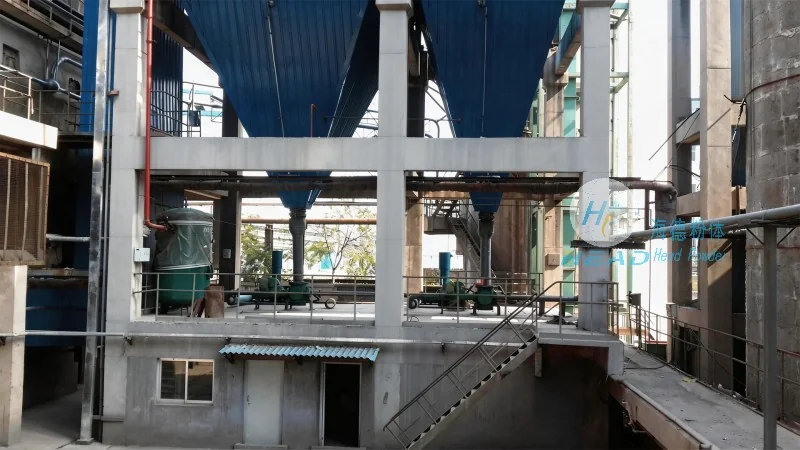
Application Scenarios and Practical Considerations
The choice between negative and positive pressure pneumatic conveying systems depends on several factors, including the material characteristics, transport distance, required flow rate, and environmental regulations. For instance, in the chemical industry, negative pressure systems are often preferred for handling powders with high moisture content or those that are hazardous, as they provide a safer, sealed environment. In contrast, the food and pharmaceutical industries may opt for positive pressure systems to maintain product purity and prevent contamination from external air.
When selecting a system, it is crucial to consider the material's particle size, density, and flowability. Fine powders with low bulk density may require higher air velocities in positive pressure systems to ensure efficient transport, while coarse or abrasive powders may benefit from the gentle handling of negative pressure systems. Additionally, the system's scalability and integration with existing production lines are important factors to evaluate, as HeadPowder offers customized solutions that can be tailored to specific operational needs.
Conclusion and Company Commitment
HeadPowder Engineering Co., Ltd. leverages its expertise in both negative and positive pressure pneumatic conveying technologies to deliver tailored solutions that meet the diverse demands of modern industries. By combining advanced engineering, quality materials, and comprehensive support, the company ensures that its systems not only enhance operational efficiency but also adhere to industry standards and environmental regulations. Whether for short-distance transport or complex multi-point applications, HeadPowder provides reliable, efficient, and sustainable pneumatic conveying solutions that help clients optimize their material handling processes and improve overall productivity.