

Common Cement Dry Powder Conveying Methods: Introduction to Cement Dry Powder Pneumatic Conveying Systems
When it comes to transporting cement dry powder efficiently and safely, selecting the right conveying method is crucial for industrial operations. Various options are available, each with its own advantages and applications. This article explores common cement dry powder conveying methods, with a focus on the cement dry powder pneumatic conveying system, which has become a preferred choice in many industries due to its effectiveness and flexibility.
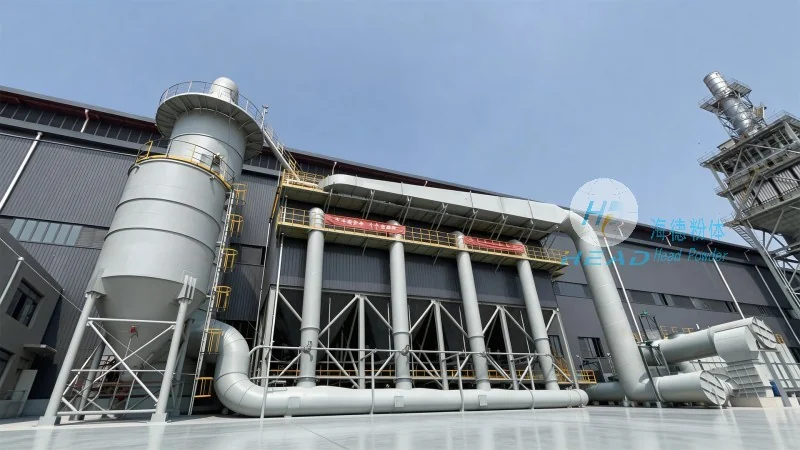
Understanding Cement Dry Powder Conveying
Cement dry powder, a key material in construction and manufacturing, requires specialized handling to maintain its quality and prevent contamination. Traditional methods like manual handling or mechanical conveyors may not be suitable for large-scale or high-volume applications. Therefore, advanced conveying systems are essential to ensure efficient and reliable transport. The choice of conveying method depends on factors such as material properties, distance, volume, and environmental considerations.
Common Cement Dry Powder Conveying Methods
Several methods are commonly used for cement dry powder transport. These include mechanical conveyors, such as belt conveyors and screw conveyors, which are effective for horizontal or slight incline transport. However, these systems may face challenges with dust generation and material degradation. Another method is the pneumatic conveying system, which uses air to move the powder through pipelines. This method offers advantages like low maintenance, ability to handle fine powders, and flexibility in layout.
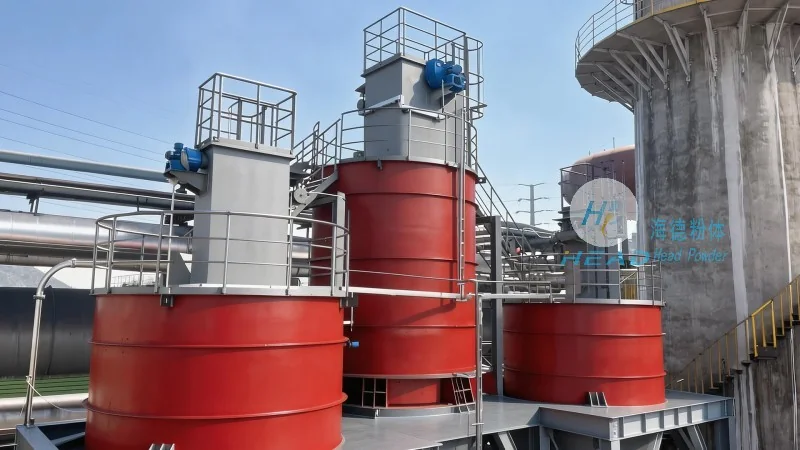
The Cement Dry Powder Pneumatic Conveying System
The cement dry powder pneumatic conveying system is a sophisticated solution designed to transport dry powders like cement over long distances with minimal loss and high efficiency. This system operates by creating a pressure differential, either through positive pressure or negative pressure, to move the material through a network of pipes. The system typically includes components such as a feeder, a compressor or vacuum pump, a filter, and a receiver. The feeder ensures a consistent flow of cement dry powder into the system, while the compressor or vacuum pump provides the necessary air pressure or suction to convey the material. The filter is crucial for maintaining air quality and preventing dust from escaping into the environment. The receiver collects the conveyed cement dry powder at the destination point.
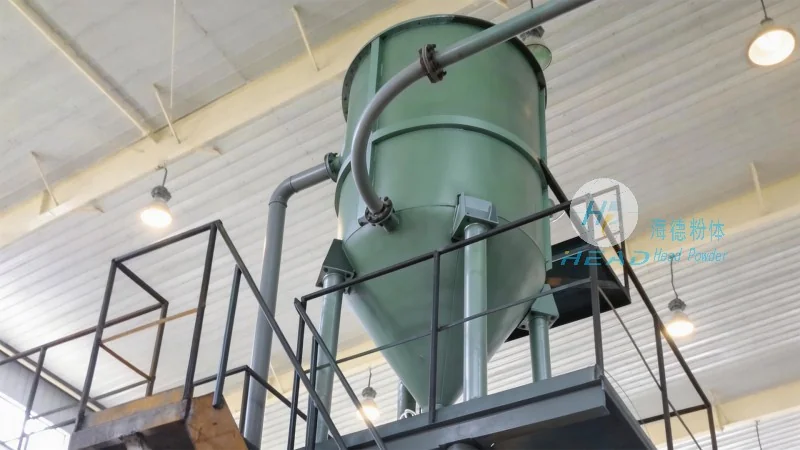
One of the key advantages of the cement dry powder pneumatic conveying system is its ability to handle fine and abrasive materials without causing wear and tear on the equipment. The system is also flexible in terms of layout, allowing for complex pipe networks to accommodate different operational requirements. Additionally, it can be integrated with other processing equipment, such as mixers or storage silos, to form a complete production line. The system's efficiency in reducing material handling time and labor costs makes it an attractive option for industrial applications.
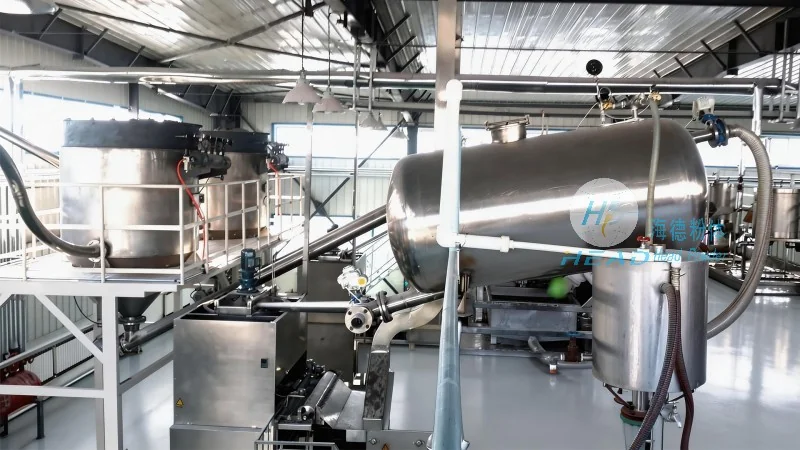
Applications and Benefits
The cement dry powder pneumatic conveying system is widely used in various industries, including cement manufacturing, construction, and chemical processing. Its ability to transport large volumes of cement dry powder over long distances makes it ideal for plants with multiple production units or storage facilities. The system's benefits extend beyond efficiency, as it also helps in maintaining the quality of the cement dry powder by minimizing exposure to air and moisture. This is particularly important for preventing caking or clumping of the powder, which can affect its performance in applications. The system's low maintenance requirements and energy efficiency further contribute to its popularity among industrial users.
Conclusion
In conclusion, the selection of an appropriate cement dry powder conveying method is critical for optimizing industrial operations. While mechanical conveyors have their place, the cement dry powder pneumatic conveying system offers superior performance, flexibility, and efficiency. As a leading provider in this field, Shandong HeadPowder Engineering Co., Ltd., based in China, specializes in designing and manufacturing high-quality cement dry powder pneumatic conveying systems tailored to meet the specific needs of clients. With years of experience and a commitment to quality, HeadPowder ensures that their systems deliver reliable and effective transport solutions for cement dry powder, supporting the success of industrial projects worldwide.