

What is Powder Pneumatic Conveying? An Introduction to the Working Principle of Powder Handling Syst
Understanding the mechanics of powder pneumatic conveying is essential for industries that rely on efficient and reliable material handling. This article delves into the fundamental principles of pneumatic conveying systems, specifically focusing on how they transport powders like beans and other fine particulates. By exploring the core components, operational dynamics, and practical applications, we aim to provide a comprehensive overview of this critical technology.
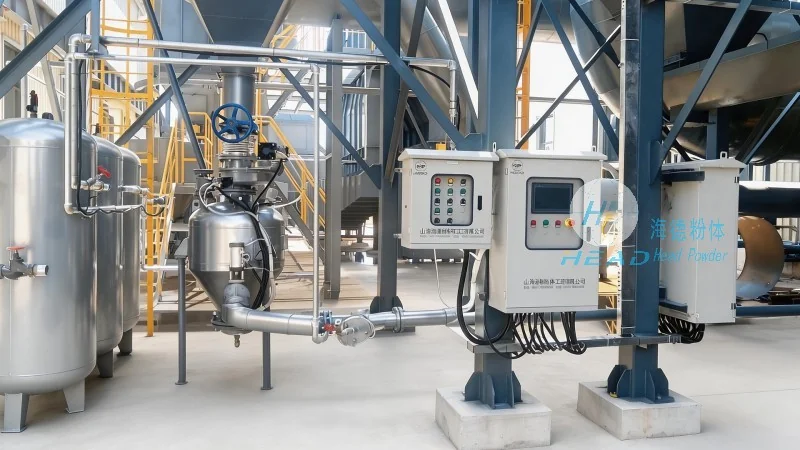
What is Pneumatic Conveying?
Pneumatic conveying, also known as powder pneumatic conveying, is a method of transporting bulk materials through a pipeline using compressed air or other gas. Unlike mechanical systems that rely on belts, screws, or buckets, pneumatic conveyors use air pressure to move materials, making them ideal for handling delicate, dusty, or abrasive powders. The process involves creating a pressure differential between the inlet and outlet of the system, which propels the material through the pipeline. This technology is widely used in various industries, including food processing, pharmaceuticals, and chemical manufacturing, where maintaining product integrity and minimizing contamination is paramount.
The Working Principle of Powder Pneumatic Conveying Systems
At the heart of a pneumatic conveying system are several key components that work in tandem to achieve efficient material transport. The primary elements include a material hopper or feeder, a conveying line (typically made of stainless steel or other corrosion-resistant materials), a compressor or blower to generate the necessary air pressure, and a receiver or discharge unit where the material is collected. The process begins when the powder is fed into the hopper, where it is drawn into the conveying line by the moving air stream. As the air flows through the pipeline, it entrains the powder particles, creating a dense mixture known as a "slurry" or "pneumatic stream." The velocity of the air is carefully controlled to ensure that the powder remains suspended without settling or clogging the line. The system then transports the mixture to the destination, where the air is separated from the material in the receiver, allowing the powder to be discharged while the air is either vented or recirculated.
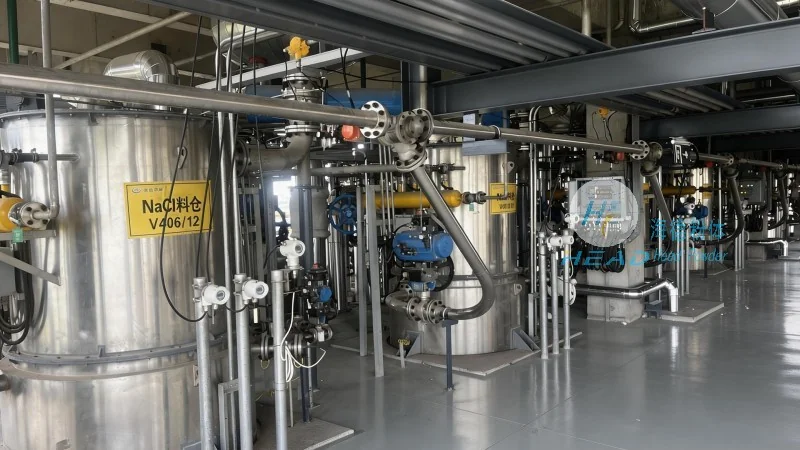
Key Components and Their Functions
Each component of a pneumatic conveying system plays a crucial role in ensuring optimal performance and reliability. The material hopper or feeder is responsible for storing and feeding the powder into the system at a consistent rate. It often includes a gate or valve to regulate the flow and prevent backflow. The conveying line is designed to withstand the pressure and temperature of the system, with smooth interior surfaces to minimize friction and reduce the risk of material buildup. The compressor or blower generates the compressed air required to move the material; its capacity and pressure are matched to the system's needs to avoid energy waste or insufficient transport. The receiver or discharge unit is where the material is collected after being transported through the pipeline. It typically includes a filter or separator to remove any air from the powder, ensuring that the final product is free of contaminants. Some systems also incorporate a cyclone or other separation device to enhance the efficiency of air-powder separation.
Advantages of Pneumatic Conveying for Powder Handling
Compared to traditional mechanical conveying methods, pneumatic conveying offers several advantages that make it a preferred choice for many industries. One of the most significant benefits is its ability to handle delicate or abrasive powders without causing damage or degradation. The enclosed pipeline system prevents contamination from external sources, such as dust or moisture, which is critical in applications like food processing or pharmaceuticals. Additionally, pneumatic conveyors can transport materials over long distances and through multiple points of discharge, providing flexibility in plant layouts. They also require less maintenance than mechanical systems, as there are fewer moving parts that can wear out or break. Furthermore, the system can be easily scaled up or down to accommodate changing production needs, making it a cost-effective solution for both small and large-scale operations.
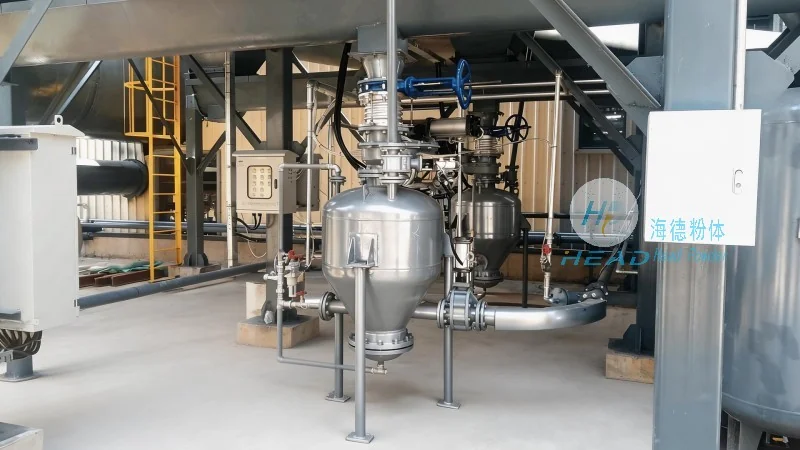
Applications in the Food Industry: Handling Beans and Other Powders
In the food industry, pneumatic conveying is widely used for handling various types of powders, including beans, flour, and other food ingredients. For example, in a coffee or cocoa processing plant, pneumatic conveyors are used to transport ground beans from storage silos to processing equipment, such as roasters or grinders. This method ensures that the beans are handled gently, preserving their flavor and aroma. Similarly, in a bakery or confectionery facility, pneumatic systems are used to transport flour, sugar, and other dry ingredients to mixing and packaging equipment. The enclosed nature of the system prevents cross-contamination between different products, which is essential for maintaining food safety standards. Additionally, the ability to transport powders over long distances without the need for multiple transfer points makes it an efficient solution for large-scale food processing operations.
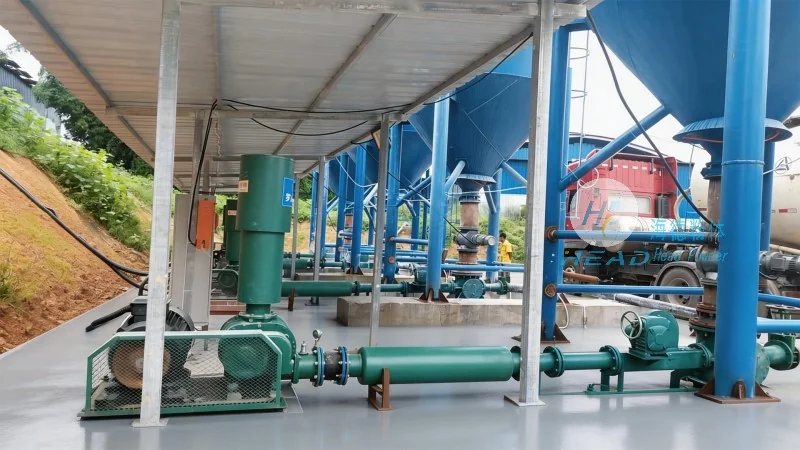
Company Profile: Shandong HeadPowder Engineering Co., Ltd.
Shandong HeadPowder Engineering Co., Ltd., commonly known as HeadPowder, is a leading manufacturer and supplier of pneumatic conveying systems and related equipment. With a focus on innovation and quality, HeadPowder has established itself as a trusted partner for industries that require reliable and efficient powder handling solutions. The company's products are designed to meet the specific needs of various applications, from small-scale food processing to large-scale chemical manufacturing. HeadPowder's team of engineers and technicians work closely with clients to develop customized solutions that optimize material transport while minimizing downtime and maintenance costs. The company's commitment to customer satisfaction and product excellence has earned it a reputation for delivering high-performance pneumatic conveying systems that meet the most stringent industry standards.
Conclusion
Pneumatic conveying is a versatile and efficient technology for transporting powders, offering numerous advantages over traditional mechanical methods. By understanding the working principles and key components of these systems, industries can make informed decisions about implementing the right equipment for their specific needs. Whether handling delicate food powders like beans or abrasive industrial materials, pneumatic conveying provides a reliable and cost-effective solution. With the expertise of companies like Shandong HeadPowder Engineering Co., Ltd., businesses can ensure that their powder handling operations are optimized for performance, safety, and efficiency.