

Positive Pressure Conveying vs. Negative Pressure Conveying for Seasoning Powder: A Comparative Anal
In the food processing industry, especially for handling fine powders like seasoning powders, the choice of conveying system is critical to ensure product quality, operational efficiency, and safety. Two primary pneumatic conveying methods are widely used: positive pressure conveying and negative pressure conveying. This article provides a detailed comparison of these two approaches, focusing on their technical principles, advantages, disadvantages, and practical applications in the context of seasoning powder handling. The analysis is presented by Shandong HeadPowder Engineering Co., Ltd., a leading manufacturer based in Shandong, China.
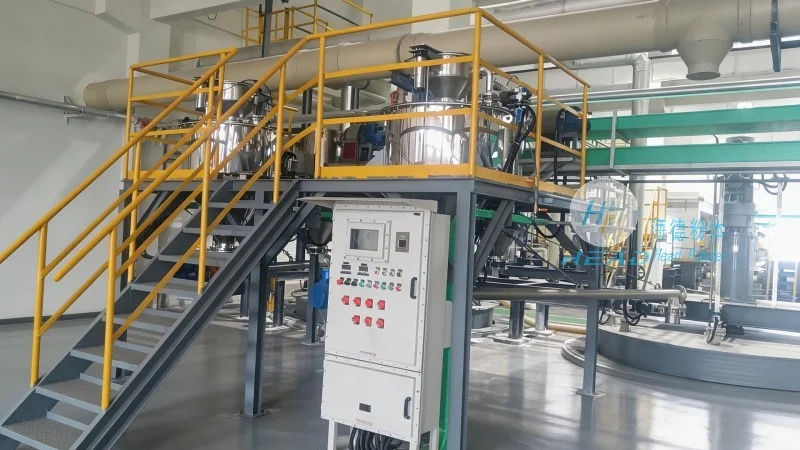
Understanding Pneumatic Conveying Systems
Pneumatic conveying systems use air or gas to transport bulk materials through a pipeline. The two main categories are positive pressure and negative pressure systems, distinguished by how they generate the pressure differential needed to move the material. Both methods are suitable for seasoning powders, but their performance characteristics differ significantly, making the selection dependent on specific operational requirements and material properties.
Positive Pressure Conveying: How It Works
Positive pressure conveying operates by blowing air or gas into the conveying line, creating a pressure higher than the ambient air pressure. The material is fed into the system and is carried along by the moving air stream. This method is often referred to as "blowing" or "pressure-assisted" conveying. The system typically includes a blower, a hopper for material storage, a feeder, and a pipeline network that transports the powder to the destination point, such as a silo or processing unit.
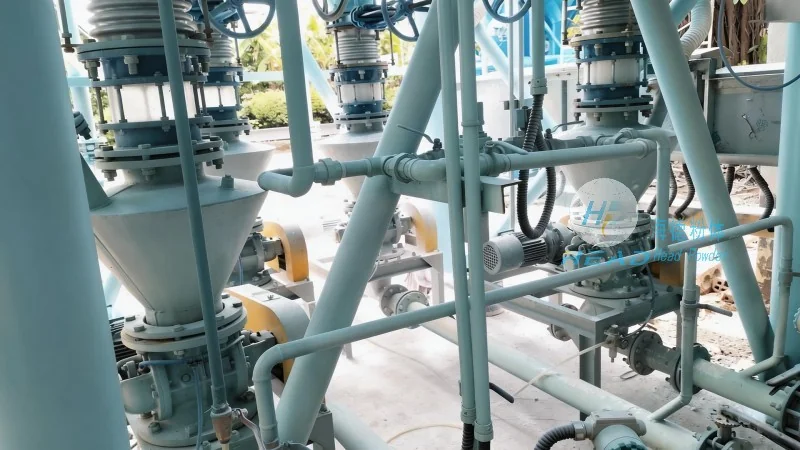
Key Advantages of Positive Pressure Conveying
Positive pressure conveying offers several advantages when handling seasoning powders. First, it provides excellent control over the material flow rate, allowing for precise dosing and consistent product delivery. This is crucial in food processing where uniformity is essential. Second, the system is generally more compact and can be integrated into existing plant layouts with relative ease. Third, positive pressure systems are less susceptible to blockages caused by moisture or agglomerates, as the high-pressure air helps to break down any clumps. Fourth, they are often more energy-efficient for short to medium-distance conveying, as the pressure can be maintained at a lower level compared to negative pressure systems.
Disadvantages and Challenges
Despite its benefits, positive pressure conveying has notable drawbacks. One major issue is the potential for dust emissions, as the high-pressure air can escape from the system, leading to environmental and health concerns. Proper sealing and filtration are required to mitigate this problem. Another challenge is the risk of material degradation due to friction and heat generated by the air flow, which can affect the flavor and quality of the seasoning powder. Additionally, positive pressure systems may require more robust equipment to withstand the higher pressures, increasing initial investment costs.
Negative Pressure Conveying: Technical Principles
Negative pressure conveying, also known as "suction" or "vacuum" conveying, operates by creating a vacuum in the conveying line, which is lower than the ambient air pressure. The material is drawn into the system by the vacuum, and the air carrying the powder is then filtered and discharged. This method is often used for longer distances or when the material needs to be transported from multiple sources to a central collection point.
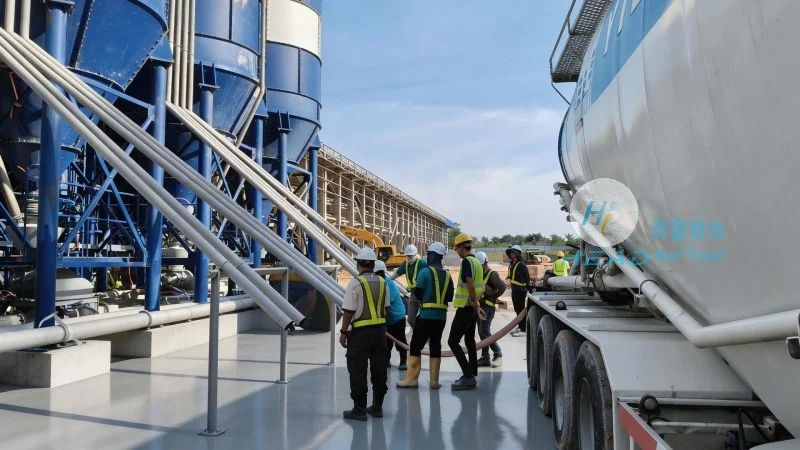
Advantages of Negative Pressure Conveying
Negative pressure conveying has distinct advantages that make it suitable for certain seasoning powder applications. The primary benefit is the ability to handle materials from multiple points of origin, as the vacuum can be applied at several inlets. This is particularly useful in large-scale production facilities where powders are generated at various locations. Second, the system is generally more effective at capturing fine particles and preventing dust leakage, as the air is drawn into the system rather than being expelled. This reduces environmental impact and improves workplace safety. Third, negative pressure systems are less likely to cause material degradation due to lower air velocities compared to positive pressure systems, preserving the quality and flavor of the seasoning powder.
Challenges and Limitations
However, negative pressure conveying also presents challenges. One significant drawback is the higher energy consumption required to maintain the vacuum, especially over long distances. The system may also be more prone to blockages if the material is too fine or has high moisture content, as the vacuum can cause the powder to stick to the pipeline walls. Additionally, the equipment needed for negative pressure systems, such as large-capacity vacuum pumps, can be more complex and expensive to install and maintain. Another consideration is the potential for air leakage, which can reduce the efficiency of the conveying process and increase energy costs.
Comparative Analysis: Which System Is Better for Seasoning Powder?
When deciding between positive and negative pressure conveying for seasoning powder, several factors must be considered. The most critical factor is the distance and layout of the conveying system. For short to medium distances (typically up to 100 meters), positive pressure conveying is often more cost-effective and efficient. For longer distances or when the material needs to be collected from multiple points, negative pressure conveying may be the better choice. Another important consideration is the material properties of the seasoning powder, such as particle size, moisture content, and tendency to agglomerate. Fine powders with high moisture content may be better suited to negative pressure systems to avoid degradation. The environmental and safety requirements of the facility also play a role, as negative pressure systems generally offer better dust control.
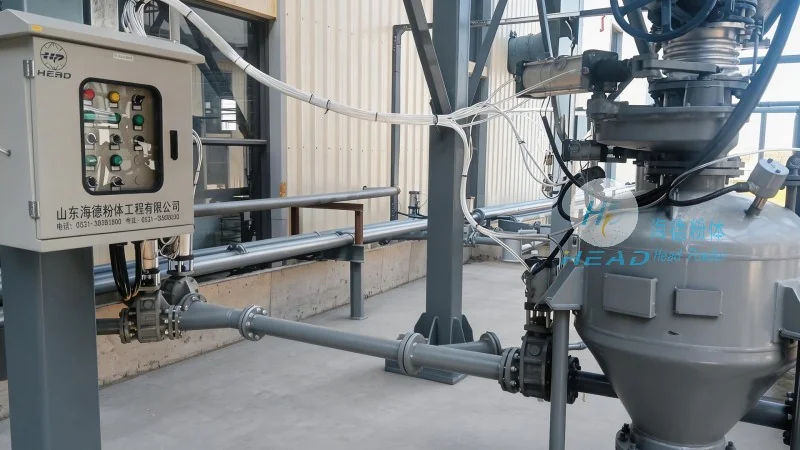
Application Examples in Seasoning Powder Handling
Shandong HeadPowder Engineering Co., Ltd. has extensive experience in designing and implementing both positive and negative pressure conveying systems for seasoning powder applications. For example, a client in the food processing industry required a system to transport fine chili powder from a production line to a storage silo over a distance of 50 meters. A positive pressure system was selected due to its compact design and ability to handle the powder's fine particles without agglomeration. The system included a high-pressure blower, a hopper with a rotary feeder, and a pipeline network with appropriate sealing and filtration to minimize dust emissions. In another case, a large-scale seasoning manufacturer needed to collect powder from multiple production lines and transport it to a central processing unit over a distance of 200 meters. A negative pressure system was chosen to handle the multiple inlets and maintain a consistent vacuum, ensuring efficient collection and preventing material loss.
Conclusion: Choosing the Right Conveying System
Both positive pressure and negative pressure conveying systems have their place in the handling of seasoning powders. The choice ultimately depends on the specific operational needs, material characteristics, and environmental considerations of the facility. Positive pressure conveying is ideal for short distances, precise control, and handling fine powders without agglomeration. Negative pressure conveying is better suited for longer distances, multiple collection points, and applications where dust control and material preservation are critical. By understanding the technical principles, advantages, and limitations of each system, food processing companies can select the most appropriate pneumatic conveying method to ensure efficient, safe, and high-quality handling of their seasoning powders. Shandong HeadPowder Engineering Co., Ltd. continues to provide expert solutions tailored to these needs, helping clients optimize their operations and maintain product quality.