

Magnesium Oxide Positive Pressure and Negative Pressure Conveying: A Comparative Analysis of Two Pne
For industries dealing with magnesium oxide, efficient material handling is crucial to maintain production efficiency and ensure product quality. Pneumatic conveying systems offer a reliable solution for transporting powders like magnesium oxide, which are often sensitive to moisture and require careful handling to prevent degradation. Among the various pneumatic conveying methods, positive pressure and negative pressure systems are the two primary approaches. This article provides a detailed comparison of these two methods, focusing on their applications, advantages, and disadvantages, particularly in the context of magnesium oxide transportation.
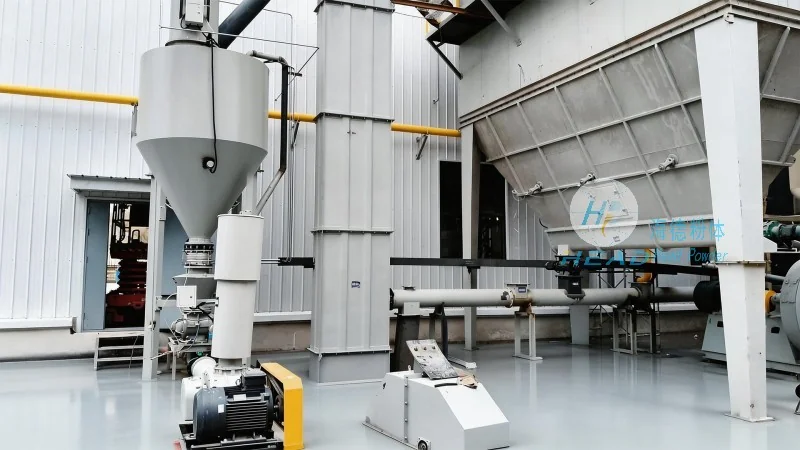
Positive Pressure Conveying: How It Works and Its Applications
Positive pressure conveying, also known as pressure pneumatic conveying, operates by blowing air or a carrier gas into the material to be transported. The system uses a positive pressure differential to move the material from the source to the destination. In this method, the entire conveying line is pressurized, typically with air or a mixture of air and inert gases. The pressure is maintained above atmospheric pressure, ensuring that the material is continuously pushed through the pipeline.
For magnesium oxide, positive pressure systems are often preferred when the material needs to be transported over long distances or through complex piping networks. The high pressure ensures that the material remains in suspension and is delivered reliably, even in the presence of dust or moisture. Additionally, positive pressure systems can handle a wide range of particle sizes, from fine powders to larger granules, making them versatile for various industrial applications.
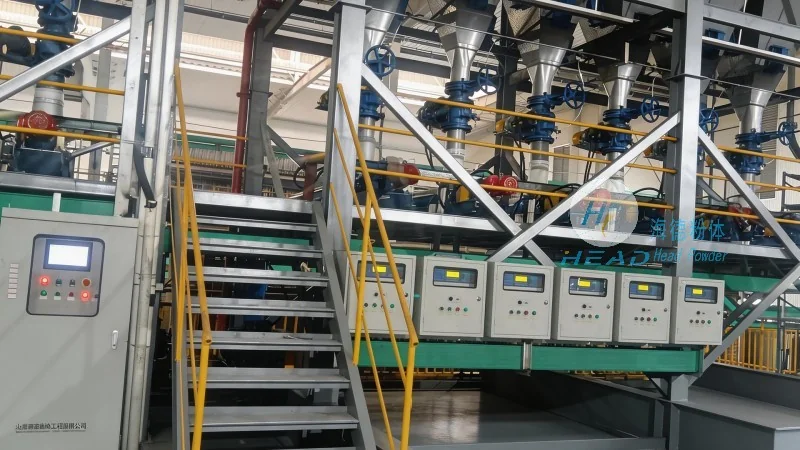
One of the key advantages of positive pressure conveying is its ability to handle abrasive or corrosive materials without significant wear on the equipment. The pressurized environment also helps to prevent product contamination, as the material is enclosed within the pipeline. However, this method may require more energy to maintain the pressure, and the system can be more complex to install and maintain, especially for large-scale operations.
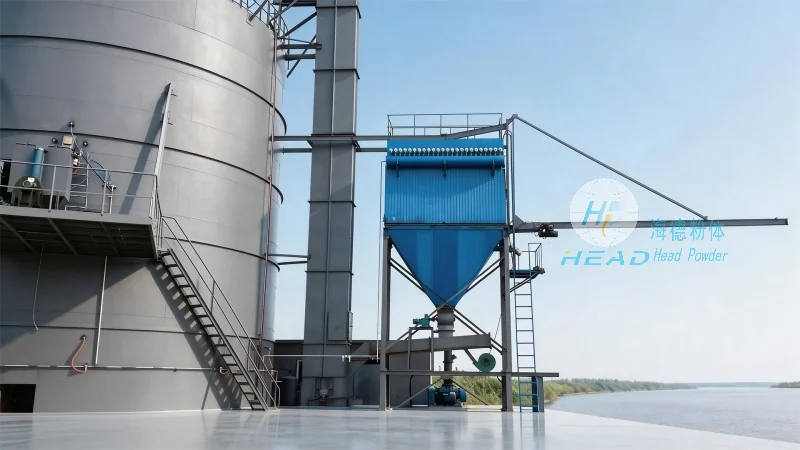
Negative Pressure Conveying: Principles and Practical Use
Negative pressure conveying, or vacuum pneumatic conveying, works by creating a vacuum in the receiving container or the entire conveying line. The system draws the material into the pipeline using the pressure differential between the source and the destination. Unlike positive pressure systems, negative pressure systems do not pressurize the entire line; instead, they create a low-pressure environment that pulls the material from the source to the destination.
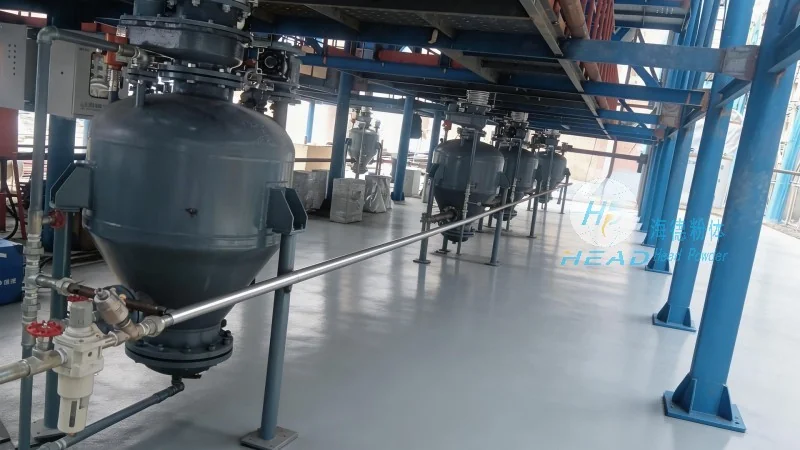
In the case of magnesium oxide, negative pressure systems are often used for short-distance or local transportation, where the material needs to be moved from a storage silo or hopper to a processing unit. The vacuum created helps to minimize dust emissions and maintain a clean working environment. This method is particularly effective for handling fine powders, as the low pressure prevents the material from escaping the pipeline.
One of the main benefits of negative pressure conveying is its lower energy consumption compared to positive pressure systems. The vacuum is typically generated by a rotary vane pump or a roots blower, which requires less power to operate. Additionally, the system is relatively simple to set up and maintain, making it suitable for smaller-scale operations or facilities with limited space. However, negative pressure systems may not be as effective for long-distance transportation, as the vacuum can be lost over longer distances, and the material may settle in the pipeline, leading to blockages.