

Resin Positive Pressure Conveying vs. Negative Pressure Conveying: A Comparative Analysis of Two Pne
When it comes to transporting resin materials in industrial settings, the choice between positive pressure and negative pressure pneumatic conveying systems is a critical decision that impacts efficiency, cost, and operational safety. This analysis from Shandong HeadPowder Engineering Co., Ltd., a leading provider of material handling solutions based in Shandong, China, explores the key differences and advantages of each method to help businesses select the most suitable option for their resin handling needs.
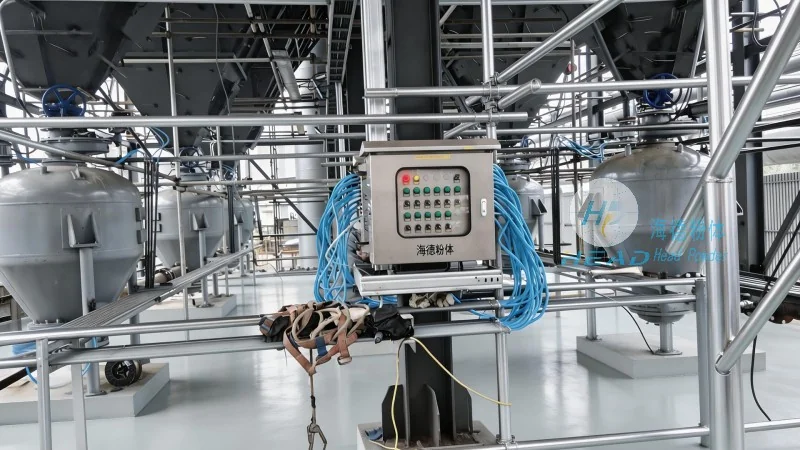
Understanding Pneumatic Conveying Systems
Pneumatic conveying is a method of transporting bulk materials, such as resin powders and granules, using air or other gases. It offers a flexible and efficient alternative to traditional mechanical conveying systems, reducing the need for complex infrastructure and minimizing material degradation. The two primary types of pneumatic conveying are positive pressure and negative pressure systems, each with distinct operational principles and applications.
Positive Pressure Conveying: Advantages and Applications
Positive pressure conveying operates by blowing air or gas into the conveying line, creating a pressure higher than the ambient air pressure. This method is particularly effective for transporting resin materials over long distances or through complex system layouts. One of the main advantages of positive pressure systems is their ability to handle abrasive or sticky materials without causing excessive wear on the equipment. The pressurized environment also helps maintain material integrity, preventing segregation and degradation during transport.
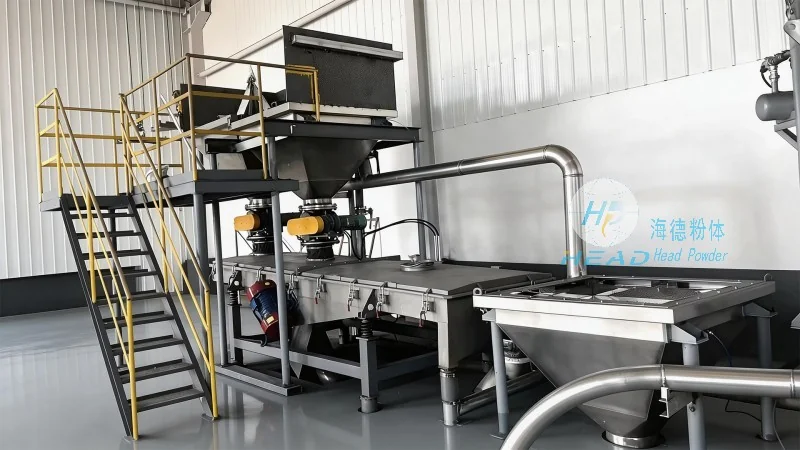
Shandong HeadPowder Engineering Co., Ltd. specializes in designing and manufacturing positive pressure conveying systems tailored to the specific requirements of resin manufacturers. Their systems are engineered to deliver high conveying velocities, ensuring rapid and reliable material transport while minimizing downtime. The company’s expertise in material flow dynamics allows them to optimize system design for maximum efficiency, reducing energy consumption and operational costs.
Negative Pressure Conveying: Key Features and Use Cases
Negative pressure conveying, also known as vacuum conveying, works by creating a vacuum in the conveying line, drawing material from the source into the system. This method is ideal for applications where material is to be collected from multiple points or where the source is at a higher elevation than the destination. Negative pressure systems are particularly effective for handling fine or dusty resin powders, as they can capture and transport particles without generating excessive dust or air emissions.
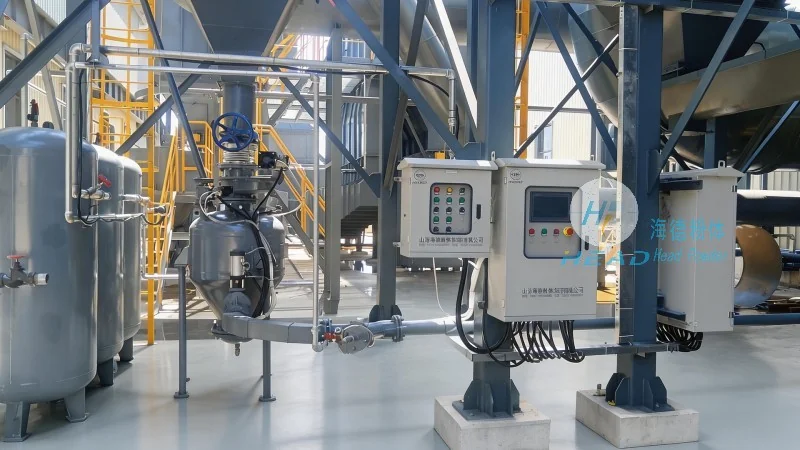
For industries dealing with sensitive resin materials, negative pressure conveying offers a cleaner and more controlled environment. The vacuum process reduces the risk of material contamination and ensures that the material remains in a stable state throughout the transport process. Shandong HeadPowder Engineering Co., Ltd. provides vacuum conveying solutions that are designed to handle a wide range of resin types, from low-density to high-viscosity materials, while maintaining compliance with environmental regulations.
Comparative Analysis: Positive vs. Negative Pressure Conveying
When comparing positive and negative pressure conveying systems, several factors must be considered to determine the most suitable option. Positive pressure systems are generally more suitable for long-distance transport and handling of abrasive materials, as they can maintain higher pressures and velocities. Negative pressure systems, on the other hand, are better suited for short-distance transport and handling of fine powders, as they can effectively capture and transport particles without generating excessive dust.
Energy consumption is another critical factor. Positive pressure systems typically require more energy to operate due to the need to generate and maintain higher air pressures. Negative pressure systems, while often more energy-efficient for short distances, may require additional filtration and air cleaning systems to manage the vacuum and prevent dust buildup. Shandong HeadPowder Engineering Co., Ltd. evaluates each client’s specific needs to recommend the most energy-efficient and cost-effective solution.
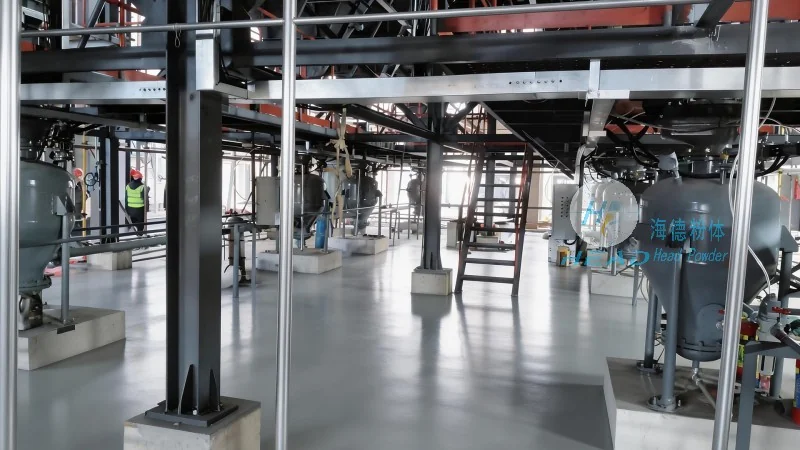
Choosing the Right Conveying System for Resin Handling
The choice between positive and negative pressure pneumatic conveying depends on several factors, including the type of resin being transported, the distance between the source and destination, the system layout, and the required material handling capacity. Shandong HeadPowder Engineering Co., Ltd. offers comprehensive consulting services to help clients assess their operational requirements and select the optimal conveying system. Their team of engineers works closely with clients to design customized solutions that meet specific performance criteria, ensuring reliable and efficient resin transport.
By understanding the advantages and limitations of both positive and negative pressure conveying systems, businesses can make informed decisions that enhance operational efficiency, reduce costs, and improve overall material handling performance. Shandong HeadPowder Engineering Co., Ltd. remains committed to providing innovative and reliable material handling solutions tailored to the unique needs of resin manufacturers, helping them achieve their production goals while maintaining safety and environmental compliance.