

Comparison of Advantages and Disadvantages of Negative Pressure and Positive Pressure Conveying in S
Slurry pneumatic conveying is a critical technology in the handling of bulk materials, particularly in industries dealing with slurry, which is a mixture of solid particles suspended in a liquid. This method involves transporting the slurry through a pipeline using air or gas as the conveying medium. The choice between negative pressure (suction) and positive pressure (blowing) systems significantly impacts the efficiency, cost, and operational safety of the process. This article provides a detailed comparison of the advantages and disadvantages of negative pressure and positive pressure conveying in slurry applications, with a focus on the technical aspects and practical considerations for different industrial scenarios. The insights presented here are based on the expertise of Shandong HeadPowder Engineering Co., Ltd., a leading provider of pneumatic conveying solutions in China.
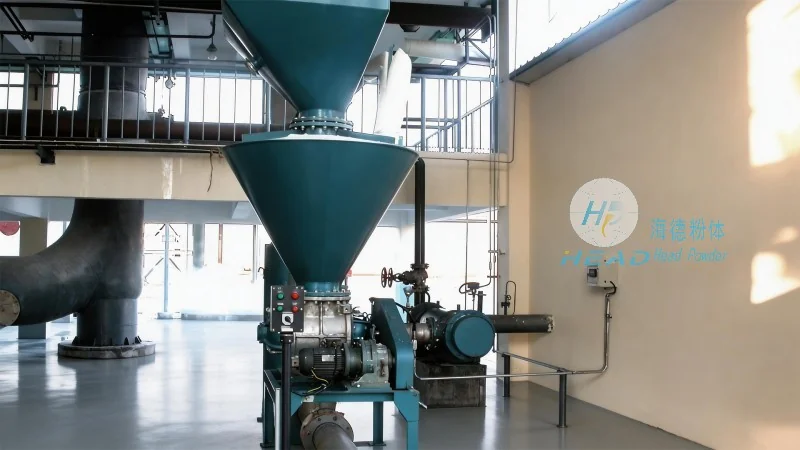
Understanding Negative Pressure (Suction) Conveying
Negative pressure conveying, also known as suction conveying, operates by creating a vacuum at the receiving end of the pipeline. This vacuum draws the slurry from the source, such as a hopper or storage tank, through the pipeline to the destination. The key components of a negative pressure system typically include a vacuum pump, a filter to separate the solid particles from the air, and a collection vessel. The process is generally considered gentle on the material being conveyed, as the low pressure and velocity reduce the risk of particle degradation or damage.
A key advantage of negative pressure systems is their ability to convey materials from multiple sources to a single destination without the need for complex branching or multiple pumps. This makes them suitable for applications where the material is to be collected from various points and transported to a central processing facility. Additionally, negative pressure systems are often more energy-efficient for short to medium distances, as the vacuum pump only needs to overcome the resistance of the pipeline and the elevation changes. However, the main drawback is the limited conveying distance and capacity. The vacuum pressure is typically lower than positive pressure systems, which restricts the length of the pipeline and the volume of material that can be transported. Furthermore, the system requires a filter to remove the solid particles from the air, which can be a maintenance-intensive component, especially when dealing with abrasive or sticky materials.
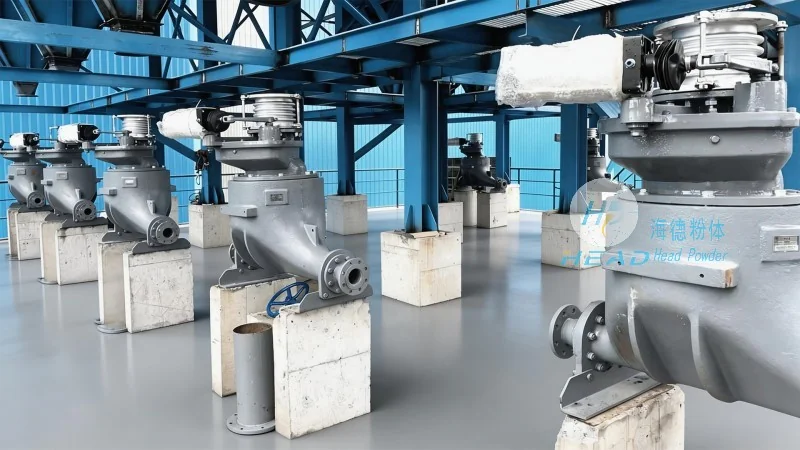
Understanding Positive Pressure (Blowing) Conveying
Positive pressure conveying, or blowing conveying, works by applying pressure to the material at the source, forcing it through the pipeline to the destination. This system uses a positive displacement blower or a rotary lobe pump to generate the necessary pressure. The components of a positive pressure system include a pump, a hopper or feeder to control the material flow, and a pipeline with appropriate fittings and valves. Unlike negative pressure systems, positive pressure systems do not require a filter at the receiving end, as the material is not drawn through the pipeline but is pushed through it.
The primary advantage of positive pressure systems is their ability to convey materials over longer distances and at higher capacities. The higher pressure allows for greater pipeline lengths and larger volumes of material to be transported, making them suitable for applications requiring long-distance transport, such as from a mine to a processing plant or from a port to a storage facility. Additionally, positive pressure systems are generally more robust and less prone to clogging, as the high pressure helps to maintain the flow of the slurry. However, the main disadvantage is the higher energy consumption compared to negative pressure systems. The pump must generate sufficient pressure to overcome the resistance of the pipeline, elevation changes, and the friction between the material and the pipeline walls. This results in higher operational costs, especially for large-scale or long-distance applications. Furthermore, positive pressure systems may cause more wear and tear on the pipeline and components due to the higher pressure and velocity, requiring more frequent maintenance and replacement of parts.
Comparative Analysis: Negative vs. Positive Pressure Conveying
When deciding between negative and positive pressure conveying for slurry applications, several factors must be considered. The most critical factor is the distance and capacity requirements. For short distances and low to medium capacities, negative pressure systems are often more cost-effective and efficient. However, for long distances and high capacities, positive pressure systems are the preferred choice due to their higher conveying capacity and longer pipeline capabilities. Another important consideration is the nature of the material being conveyed. Gentle materials that are prone to degradation, such as fine powders or delicate particles, are better suited for negative pressure systems, as the low pressure and velocity minimize damage. In contrast, abrasive or sticky materials that require high pressure to maintain flow are more suitable for positive pressure systems. Operational safety is also a key factor. Negative pressure systems are generally safer as they do not involve high-pressure air, reducing the risk of explosions or pressure-related accidents. Positive pressure systems, while more powerful, require careful handling of high-pressure components and may pose a higher risk if not properly maintained.

The choice of system also impacts the overall cost of ownership. Negative pressure systems have lower initial costs due to the simpler design and fewer components, but the higher maintenance costs associated with the filter and vacuum pump can offset these savings over time. Positive pressure systems have higher initial costs due to the more robust components and higher-pressure equipment, but the lower maintenance requirements for the pipeline and the absence of a filter can reduce long-term operational costs. Ultimately, the decision between negative and positive pressure conveying depends on a careful evaluation of the specific application requirements, including distance, capacity, material characteristics, and budget constraints.
Tailored Solutions by Shandong HeadPowder Engineering Co., Ltd.
For industries seeking reliable and efficient slurry pneumatic conveying solutions, Shandong HeadPowder Engineering Co., Ltd. offers tailored systems that balance performance, cost, and operational safety. The company’s expertise in both negative and positive pressure technologies allows for the design of systems that meet the unique needs of each application. Whether a negative pressure or positive pressure system is chosen, the solutions provided by HeadPowder are engineered to ensure optimal performance, minimize downtime, and reduce long-term operational costs. The company’s commitment to quality and customer satisfaction is reflected in the robust design and reliable operation of their conveying systems, making them a trusted choice for industries across China and beyond.