

[GAS-PNEUMATIC CONVEYING EQUIPMENT FOR GLASS RAW MATERIALS: STRUCTURE AND PRINCIPLE OF POWDER HANDLI
Gas-pneumatic conveying equipment is a specialized system designed to transport bulk materials, such as glass raw materials, through a pipeline using compressed air. This technology is widely used in the glass manufacturing industry due to its efficiency, flexibility, and ability to handle fine powders and granules. The following sections will explore the structural components and operational principles of these systems, providing a comprehensive understanding of how they function.
Introduction to Gas-Pneumatic Conveying Systems
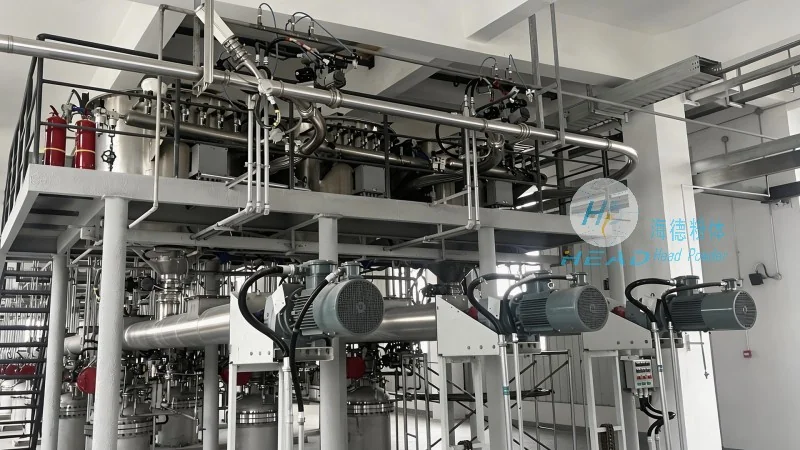
Gas-pneumatic conveying systems are engineered to move dry bulk materials from one location to another without the need for mechanical components like belts or buckets. Instead, they rely on the force of compressed air to create a flow of material through a sealed pipeline. This method is particularly advantageous for glass raw materials, which often require gentle handling to prevent degradation or contamination. The system typically consists of several key components, including a hopper, a venturi or eductor, a pipeline, and a receiver or discharge point.
Key Structural Components of Gas-Pneumatic Conveying Equipment
The core structure of a gas-pneumatic conveying system for glass raw materials includes the following components:
1. Hopper: The hopper is the storage and feeding unit where the glass raw materials are initially held. It is designed with a sloped bottom to facilitate the material's flow into the conveying line. The hopper may include a rotary valve or a gate valve to control the discharge rate, ensuring a consistent and controlled feed of material into the system.
2. Venturi or Eductor: The venturi or eductor is the heart of the conveying system. It is a device that uses the pressure drop created by the compressed air to draw the material into the pipeline. The venturi consists of a converging and diverging section, which accelerates the air flow and creates a low-pressure zone that entrains the material particles. This component is critical for achieving efficient material transport, as it ensures that the glass raw materials are fully suspended and carried through the pipeline.
3. Pipeline: The pipeline is the main conduit that transports the material-air mixture from the hopper to the discharge point. It is typically made of stainless steel or other corrosion-resistant materials to withstand the abrasive nature of glass raw materials and the effects of compressed air. The pipeline may include bends, elbows, or straight sections, depending on the layout of the conveying system. To maintain efficiency, the pipeline is usually sealed and free of leaks to prevent air loss and material spillage.
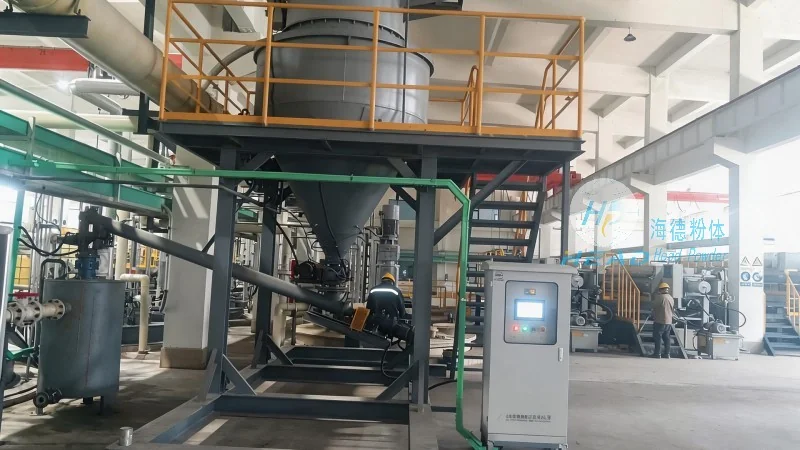
4. Receiver or Discharge Point: The receiver is the final component where the material is deposited after being conveyed through the pipeline. It is designed to collect the glass raw materials and may include a hopper or a storage bin for further processing. The receiver is often equipped with a discharge valve or a rotary valve to control the release of material, ensuring a smooth and controlled discharge process.
Operational Principles of Gas-Pneumatic Conveying
The operational principle of gas-pneumatic conveying equipment for glass raw materials involves the following steps:
First, the glass raw materials are fed from the hopper into the venturi or eductor. As compressed air is introduced into the venturi, it creates a high-velocity flow that draws the material particles into the pipeline. The air and material mixture then travels through the pipeline to the receiver, where the material is separated from the air. The air is typically filtered and recycled back into the system to conserve energy and maintain efficiency.
During operation, the system maintains a consistent pressure and flow rate to ensure reliable material transport. The speed of the conveying process can be adjusted by changing the air pressure or the feed rate of the material. This flexibility allows the system to handle varying loads and material types, making it suitable for different stages of glass production, such as raw material handling, batching, and feeding into the furnace.
Advantages of Using Gas-Pneumatic Conveying for Glass Raw Materials
Gas-pneumatic conveying equipment offers several advantages when used for transporting glass raw materials:
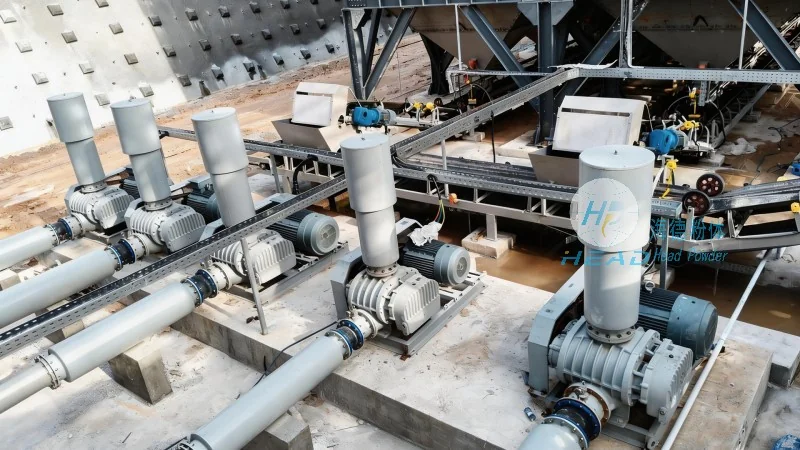
1. Efficiency and Speed: The system can transport large quantities of material over long distances in a short period, improving production throughput and reducing downtime.
2. Gentle Handling: The use of air to transport the material minimizes mechanical stress and abrasion, preserving the quality of the glass raw materials and preventing contamination.
3. Space Efficiency: The sealed pipeline design allows for vertical or horizontal conveying, making it suitable for facilities with limited space or complex layouts.
4. Cost-Effectiveness: Compared to other conveying methods, such as belt conveyors or bucket elevators, gas-pneumatic systems can be more cost-effective in terms of energy consumption and maintenance.
Applications in Glass Manufacturing
Gas-pneumatic conveying equipment is widely used in various stages of glass manufacturing, including:

1. Raw Material Handling: Transporting raw materials like sand, soda ash, and limestone from storage to the production line.
2. Batching and Mixing: Conveying materials to the batching system where they are mixed in precise proportions before entering the furnace.
3. Feeding into Furnaces: Delivering the mixed raw materials directly into the glass melting furnace, ensuring a consistent and controlled feed rate.
4. Recycling and Reclaiming: Conveying recycled glass or reclaimed materials back into the production process, promoting sustainability in glass manufacturing.
Conclusion
Gas-pneumatic conveying equipment is a critical component in the glass manufacturing industry, providing an efficient and reliable method for transporting glass raw materials. The structural design and operational principles of these systems are tailored to handle the unique properties of glass materials, ensuring high-quality production and minimal waste. As a leading provider of powder handling solutions, Shandong HeadPowder Engineering Co., Ltd. specializes in designing and manufacturing custom gas-pneumatic conveying systems that meet the specific needs of glass manufacturers. With their expertise and commitment to quality, HeadPowder offers advanced solutions that enhance productivity and sustainability in glass production.