

What is Pneumatic Conveying Equipment for Cement and Mineral Powders? An Introduction to the Structu
Pneumatic conveying systems are widely utilized in the industrial sector for the efficient transport of bulk materials, particularly cement, mineral powders, and other fine particulate substances. These systems offer a reliable and flexible solution for moving materials from one location to another without the need for mechanical components like belts or buckets. The core of such equipment lies in its ability to use air pressure to move powders through a pipeline, making it an essential tool for manufacturers and processing plants.
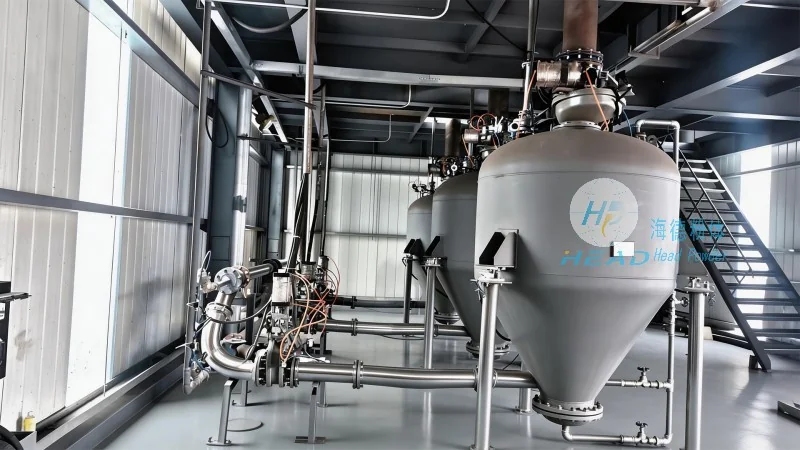
Structural Components and Working Principles of Pneumatic Conveying Systems
A typical pneumatic conveying system for cement and mineral powders consists of several key components, each playing a crucial role in the overall operation. The main parts include the material hopper, feeder, air compressor, conveying pipeline, and dust collector. The material hopper is where the bulk material is stored, and it is equipped with a feeder that controls the flow rate of the powder into the system. The feeder ensures a consistent and controlled discharge of the material, preventing blockages and maintaining system efficiency.
The air compressor is responsible for generating the necessary air pressure to move the powder through the pipeline. It can be either a positive displacement type or a centrifugal type, depending on the system requirements and the characteristics of the material being conveyed. The conveying pipeline is typically made of stainless steel or other corrosion-resistant materials to handle the abrasive nature of cement and mineral powders.
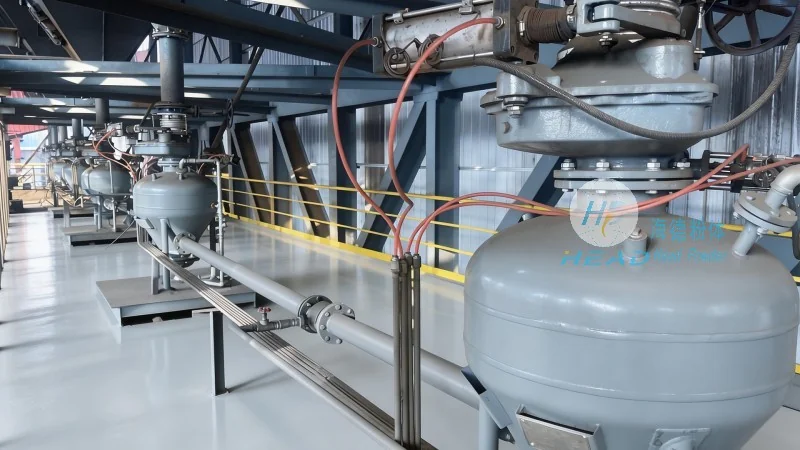
Types of Pneumatic Conveying Systems and Their Applications
There are two primary types of pneumatic conveying systems: dilute-phase and dense-phase. Dilute-phase systems operate at low pressure and high air velocity, suitable for short-distance transport and materials with low dust content. Dense-phase systems, on the other hand, use higher pressure and lower air velocity, ideal for long-distance transport and materials that are prone to segregation or require gentle handling. For cement and mineral powders, the choice between these systems depends on the specific application, such as the distance between the source and destination, the material properties, and the required flow rate.
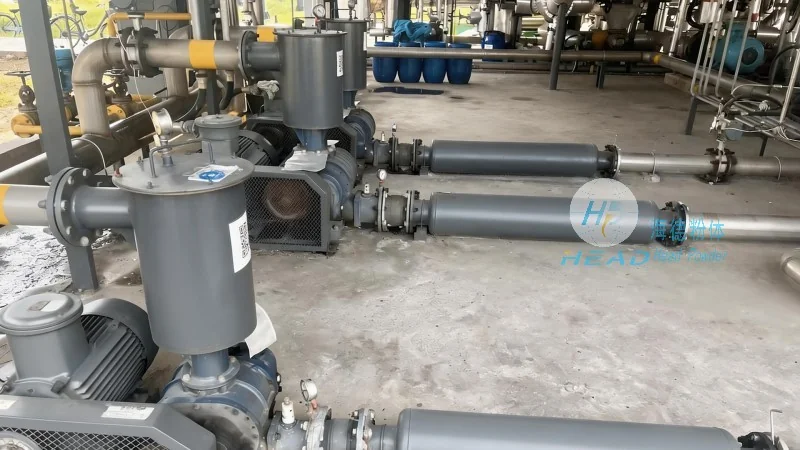
Advantages of Using Pneumatic Conveying Equipment for Cement and Mineral Powders
Implementing pneumatic conveying equipment for cement and mineral powders offers several advantages over traditional mechanical conveying methods. One of the key benefits is the reduction in material handling costs, as there is no need for multiple transfer points or equipment like conveyor belts. Additionally, these systems provide better material quality control, as the powder is less likely to be contaminated or degraded during transport. The enclosed nature of the system also helps in maintaining a clean and safe working environment, reducing dust emissions and improving workplace safety.
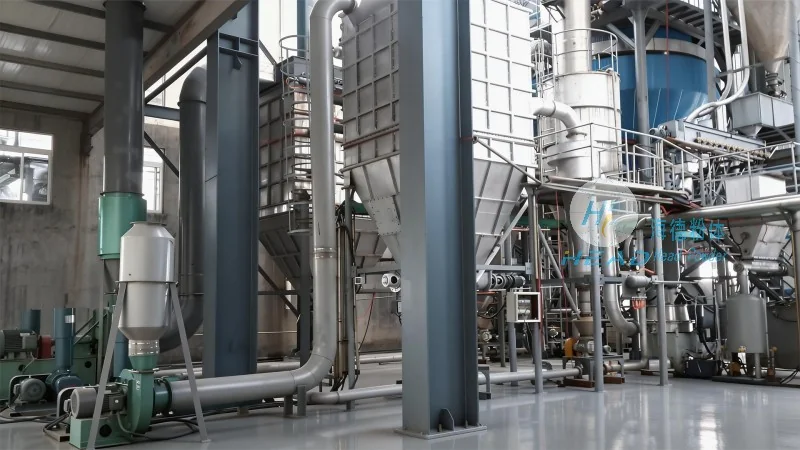
About Shandong HeadPowder Engineering Co., Ltd.
Shandong HeadPowder Engineering Co., Ltd., commonly known as HeadPowder, is a leading manufacturer specializing in the design, production, and supply of pneumatic conveying equipment. With a strong presence in China, the company has established itself as a trusted partner for industries requiring efficient and reliable powder handling solutions. HeadPowder's products are engineered to meet the specific needs of clients, ensuring optimal performance and durability in demanding industrial environments.
Conclusion
In conclusion, pneumatic conveying equipment for cement and mineral powders is a sophisticated and efficient solution for bulk material transport. By understanding the structural components and working principles of these systems, industries can make informed decisions to enhance their operational efficiency and productivity. With the expertise and experience of companies like Shandong HeadPowder Engineering Co., Ltd., businesses can access high-quality equipment that meets their specific requirements, ensuring long-term success in their material handling processes.