

Options for Pneumatic Conveying of White Clay Powder
White clay powder, a crucial raw material in various industrial processes, requires efficient and reliable transportation methods to maintain its quality and prevent contamination. Pneumatic conveying offers a versatile solution for handling such powders, and there are several effective approaches tailored to different operational needs and site conditions. This article explores several key solutions for the pneumatic conveying of white clay powder, highlighting the advantages and considerations of each method.
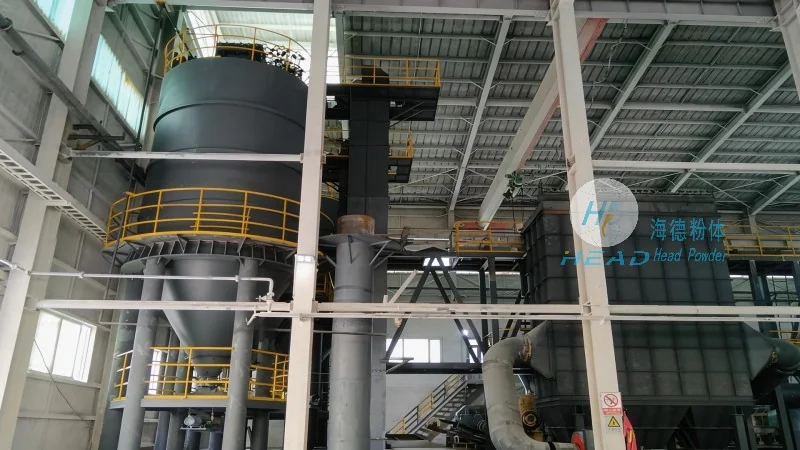
Shandong HeadPowder Engineering Co., Ltd., a leading provider in the field, specializes in designing and implementing advanced material handling systems. With a focus on innovation and customer-specific solutions, the company has developed comprehensive approaches to address the unique challenges associated with white clay powder transportation. The following sections detail several proven methods for pneumatic conveying, each suited to different production scales, material properties, and environmental requirements.
1. Positive Pressure Pneumatic Conveying System
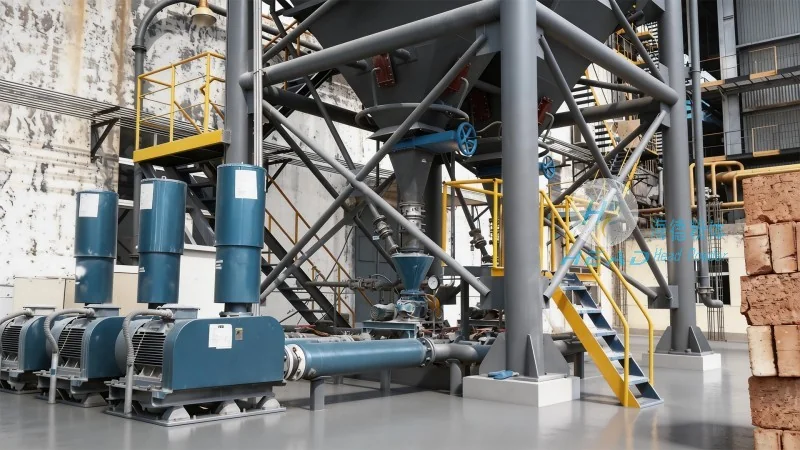
Positive pressure systems are widely used for the pneumatic transport of white clay powder due to their ability to handle high material loads and long distances. In this method, a positive pressure is maintained within the conveying line by a blower or fan, which forces air and powder through the system. The primary advantage of positive pressure systems is their robustness and suitability for applications where the material is sensitive to moisture or contamination. They are particularly effective for transporting white clay powder from storage silos to processing units, as they can maintain a consistent flow rate and prevent backflow.
For instance, in a typical industrial setup, a positive pressure system might involve a rotary valve at the powder source, a blower to generate the pressure, and a series of pipes that transport the powder to the destination. The system is designed to handle varying flow rates, ensuring that the white clay powder is conveyed smoothly without clogging or degradation. Shandong HeadPowder Engineering Co., Ltd. has implemented numerous positive pressure systems for clients, optimizing parameters such as air velocity, pipe diameter, and material feed rate to achieve efficient operation.
2. Negative Pressure (Vacuum) Pneumatic Conveying System
Negative pressure systems, also known as vacuum conveyors, are another effective option for white clay powder transportation. These systems operate by creating a vacuum in the conveying line, which draws the powder from the source and transports it to the destination. Negative pressure systems are often preferred for applications where the material needs to be collected from multiple points or where the destination is at a lower elevation than the source. They are particularly useful for handling white clay powder in environments where dust control is critical, as the vacuum helps to contain particles and minimize emissions.
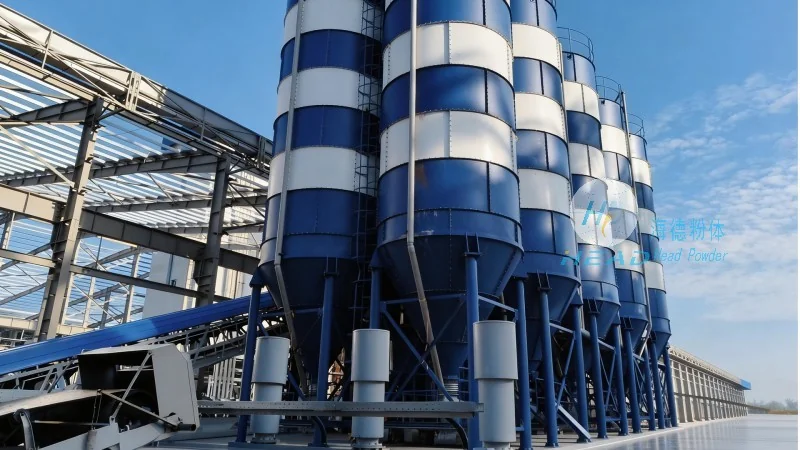
In a negative pressure system, a vacuum pump generates the required suction, and the powder is drawn through a hopper or collection point into the conveying line. The system typically includes filters and cyclones to separate the powder from the air at the destination, ensuring that the white clay powder is delivered in a clean and dry state. Shandong HeadPowder Engineering Co., Ltd. has developed specialized vacuum systems for white clay powder, incorporating advanced filtration technology to maintain product purity and comply with environmental regulations.
3. Hybrid (Positive and Negative Pressure) Pneumatic Conveying System
Hybrid systems combine the benefits of both positive and negative pressure methods, offering flexibility for complex material handling scenarios. These systems use a combination of blowers and vacuum pumps to transport white clay powder over varying distances and through different configurations of pipes and equipment. Hybrid systems are particularly advantageous when the material needs to be transported from multiple sources to a single destination or when the path includes both upward and downward segments.
For example, a hybrid system might start with a positive pressure blower to transport white clay powder from a silo to an intermediate point, then switch to a vacuum pump to draw the powder from that point to the final processing unit. This approach allows for efficient use of energy and equipment, as the system can adjust its pressure based on the specific requirements of the conveying path. Shandong HeadPowder Engineering Co., Ltd. specializes in designing hybrid systems that optimize energy consumption and minimize operational costs while ensuring reliable white clay powder transport.
4. Air-Liquid Pneumatic Conveying System
For applications where the white clay powder is particularly fine or prone to agglomeration, air-liquid systems offer an effective solution. These systems use a mixture of air and liquid (such as water or a non-reactive fluid) to transport the powder, which helps to keep the particles suspended and prevent clogging. The liquid acts as a carrier, ensuring that the white clay powder remains in a fluidized state during transport. This method is particularly useful for handling very fine white clay powders that are difficult to convey using traditional pneumatic systems.
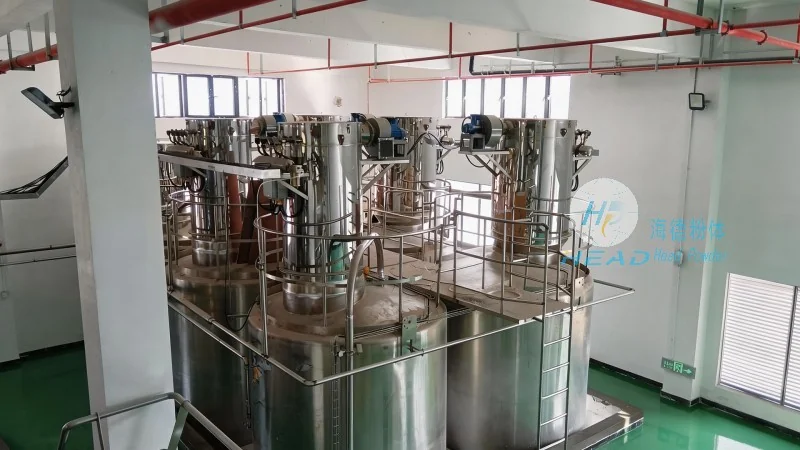
In an air-liquid system, the liquid is introduced into the conveying line at a controlled rate, and the air is used to maintain the flow. The system typically includes a mixing chamber where the liquid and air are combined before entering the transport line. At the destination, the liquid is separated from the powder, often through a centrifuge or filtration process, and the white clay powder is recovered in a dry state. Shandong HeadPowder Engineering Co., Ltd. has developed advanced air-liquid systems for white clay powder, incorporating precise control mechanisms to maintain the optimal liquid-to-air ratio and ensure consistent product quality.
5. Screw and Air Conveying System
Screw and air conveying systems are a combination of mechanical and pneumatic methods, providing a reliable solution for transporting white clay powder in certain applications. These systems use a rotating screw (auger) to move the powder through a tube, while compressed air is introduced to assist in the movement and prevent blockages. The screw provides a positive displacement mechanism, ensuring that the white clay powder is conveyed in a controlled manner, while the air helps to maintain the flow and reduce friction.
This method is particularly effective for handling white clay powder with high moisture content or that tends to stick to the walls of the conveying line. The screw design can be customized to match the specific characteristics of the powder, such as particle size and bulk density. Shandong HeadPowder Engineering Co., Ltd. has implemented screw and air systems for clients, optimizing the screw pitch, speed, and air pressure to achieve efficient and low-maintenance operation.
Key Considerations for Pneumatic Conveying of White Clay Powder
When selecting a pneumatic conveying system for white clay powder, several factors must be considered to ensure optimal performance and cost-effectiveness. These include the material's properties (such as particle size, moisture content, and bulk density), the required conveying distance and flow rate, and the environmental regulations governing dust emissions. Shandong HeadPowder Engineering Co., Ltd. conducts thorough assessments of these factors to design systems that meet the specific needs of each client.
For example, the choice between positive and negative pressure systems depends on the distance and the need for dust control. Positive pressure systems are generally more suitable for long-distance transport, while negative pressure systems are better for short distances or when the material needs to be collected from multiple points. Hybrid systems offer a middle ground, allowing for flexibility in complex setups. Air-liquid systems are recommended for very fine powders, while screw and air systems are ideal for sticky or high-moisture materials.
Additionally, the design of the conveying line, including pipe diameter, material, and bends, plays a critical role in the efficiency of the system. Properly sized pipes and smooth bends minimize pressure losses and prevent clogging, ensuring that the white clay powder is transported without degradation. Shandong HeadPowder Engineering Co., Ltd. uses advanced computational fluid dynamics (CFD) modeling to optimize the design of conveying lines, reducing energy consumption and improving overall system performance.
Conclusion
Pneumatic conveying offers several effective solutions for the transportation of white clay powder, each with its own advantages and applications. By understanding the specific requirements of the material and the operational environment, industries can select the most suitable system to maintain product quality, ensure efficient operation, and comply with environmental regulations. Shandong HeadPowder Engineering Co., Ltd. provides comprehensive expertise and customized solutions for pneumatic conveying of white clay powder, helping clients achieve reliable and cost-effective material handling in their production processes.