

Wheat Bran Pneumatic Conveying: How to Efficiently Transport Bulk Powders with Air Flow?
Wheat bran, a byproduct of wheat milling, is widely used in animal feed, human nutrition, and various industrial applications. Efficient and reliable transportation of this fine powder is crucial for maintaining product quality and operational efficiency. Pneumatic conveying systems offer a solution by utilizing air flow to move bulk powders like wheat bran, providing advantages over traditional methods such as mechanical conveyors. This article explores how pneumatic conveying technology can be effectively applied to handle wheat bran, ensuring smooth and efficient material transport.
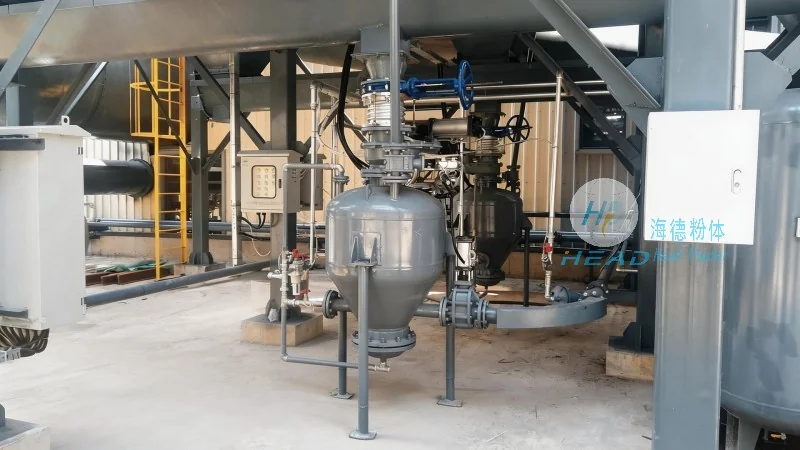
Understanding Pneumatic Conveying Technology
Pneumatic conveying systems operate by transporting bulk materials through a pipeline using compressed air or suction. The process involves creating a flow of air that carries the powder particles, allowing them to be moved from one location to another without direct contact with mechanical components. There are two primary types of pneumatic conveying: pressure and vacuum systems. Pressure systems use compressed air to push the material through the pipeline, while vacuum systems use a vacuum to pull the material. For wheat bran, which is a fine and potentially dusty material, a well-designed pneumatic conveying system can minimize dust generation and ensure consistent flow rates.
Key Benefits of Pneumatic Conveying for Wheat Bran
Implementing a pneumatic conveying system for wheat bran offers several advantages. First, it reduces the risk of contamination and product degradation compared to mechanical conveyors, which may cause friction and heat buildup. Second, pneumatic systems can handle fine powders with high efficiency, ensuring minimal loss and consistent quality. Third, they are flexible in layout, allowing for vertical and horizontal transport without the need for complex infrastructure. Additionally, these systems can be integrated with other processing equipment, such as mixers and storage silos, to create a seamless material handling workflow. For businesses dealing with wheat bran, these benefits translate into improved operational efficiency and product quality.
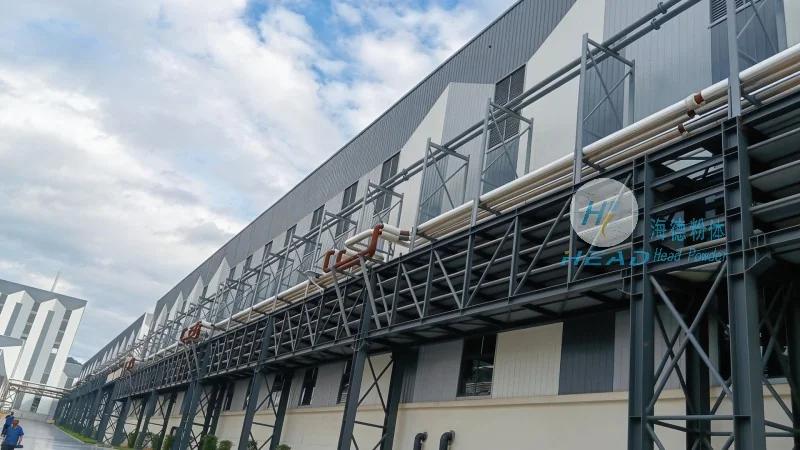
Design Considerations for Wheat Bran Pneumatic Conveying
When designing a pneumatic conveying system for wheat bran, several factors must be considered to ensure optimal performance. The first is the particle size and moisture content of the wheat bran, as these affect the air velocity required for effective transport. Fine particles may require higher air speeds to prevent clogging, while higher moisture content can increase the risk of blockages. The system's capacity and the distance to be covered are also critical, as they determine the size of the pipeline and the power of the air compressor. Material compatibility is another important consideration, as the conveying system must be constructed from materials that are resistant to the acidic or corrosive properties of wheat bran if present. Proper filtration and dust collection systems are essential to maintain air quality and comply with environmental regulations. By addressing these design considerations, companies can develop a pneumatic conveying system tailored to their specific needs and ensure reliable operation.
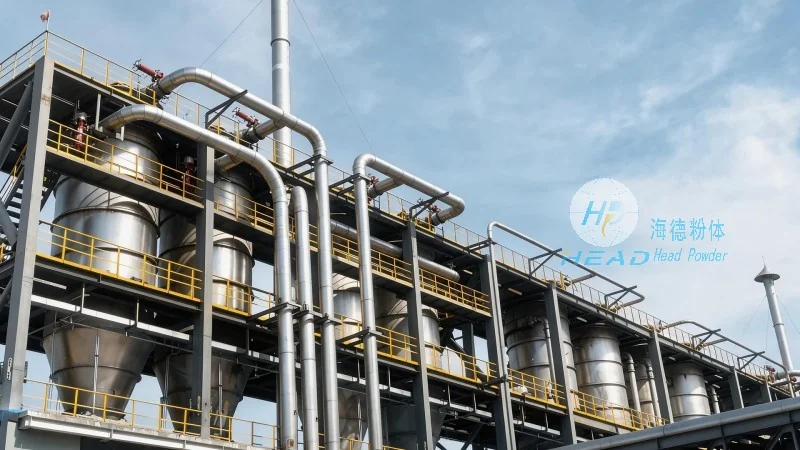
Application Examples in Wheat Bran Processing
Wheat bran is commonly used in animal feed production, where it is mixed with other ingredients to create balanced rations. Pneumatic conveying systems are ideal for transporting wheat bran from storage silos to feed mixers, ensuring a consistent supply of raw material. In human nutrition applications, such as the production of bran-based cereals or supplements, pneumatic conveying helps maintain the product's nutritional value by minimizing exposure to air and light. Industrial applications, including the manufacturing of biofuels or cosmetics, also benefit from pneumatic systems, which can handle large volumes of wheat bran efficiently. These examples illustrate how pneumatic conveying technology can be adapted to various processing stages, enhancing overall productivity and product quality.
Conclusion: Enhancing Efficiency with Pneumatic Conveying
For businesses dealing with wheat bran, pneumatic conveying systems provide a reliable and efficient solution for material transport. By leveraging air flow to move fine powders, these systems offer advantages in terms of product quality, operational flexibility, and cost-effectiveness. When properly designed and maintained, pneumatic conveying systems can significantly improve the efficiency of wheat bran processing operations. As a leading provider of engineering solutions, Shandong HeadPowder Engineering Co., Ltd. specializes in designing and manufacturing pneumatic conveying systems tailored to the specific needs of clients, ensuring optimal performance and long-term reliability. With a focus on quality and innovation, HeadPowder helps businesses in the wheat bran industry achieve their operational goals while maintaining the highest standards of product quality.