

Classification and Application Analysis of Fiber Material Pneumatic Conveying Systems
Understanding the classification and application of fiber material pneumatic conveying systems is crucial for optimizing material handling processes in various industrial sectors. This analysis provides a comprehensive overview of the different types of systems available, their operational principles, and practical applications, tailored for industries dealing with fibrous materials such as wood pulp, paper fibers, and other textile or agricultural fibers.
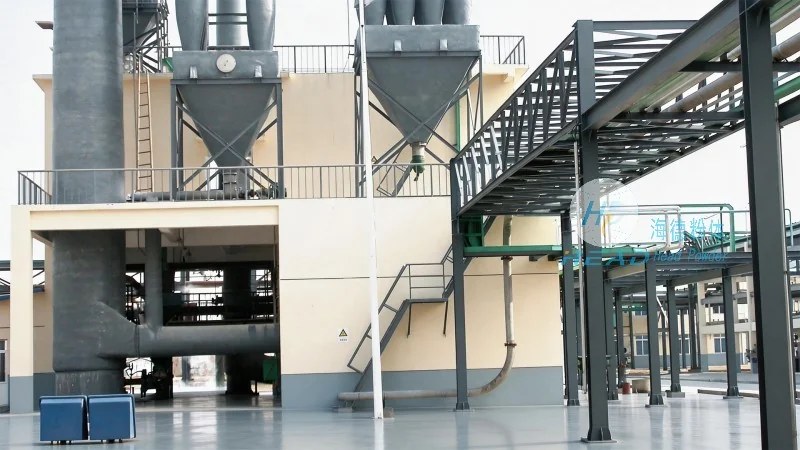
Introduction to Fiber Material Pneumatic Conveying Systems
Fiber material pneumatic conveying systems utilize air or gas to transport loose, fibrous materials from one location to another. These systems are widely used in industries like paper manufacturing, woodworking, and textile processing due to their efficiency in handling materials that are difficult to transport using traditional methods. The primary goal of such systems is to achieve a reliable, low-cost, and environmentally friendly method of material transport, minimizing the need for manual handling and reducing operational costs.
Key Classification of Fiber Material Pneumatic Conveying Systems
There are two main categories of pneumatic conveying systems for fiber materials: positive pressure systems and negative pressure (or vacuum) systems. Each type has distinct characteristics and is suitable for different operational requirements.
1. Positive Pressure Pneumatic Conveying Systems
Positive pressure systems operate by blowing air or gas into the conveying line, creating a pressure higher than the ambient air pressure. This method is ideal for short to medium-distance transport and for applications where the material is sensitive to moisture or contamination. The system typically includes a blower, a hopper for material storage, and a conveying pipe that transports the material to the destination. The positive pressure ensures that the material is continuously moved forward, preventing backflow and ensuring a steady flow rate. This type of system is commonly used in paper mills for transporting wood chips or pulp from storage to processing units.
2. Negative Pressure (Vacuum) Pneumatic Conveying Systems
Negative pressure systems, also known as vacuum systems, operate by creating a vacuum in the conveying line, drawing material from the source into the system. These systems are suitable for longer distances and for handling materials that are prone to dust or require a more controlled environment. The vacuum is generated by a vacuum pump, and the material is drawn through the pipe by the pressure difference. This method is often used in applications where the material needs to be transported from multiple sources or where the destination is at a lower elevation than the source. For example, in textile mills, vacuum systems can be used to transport cotton fibers from storage bins to processing machines.
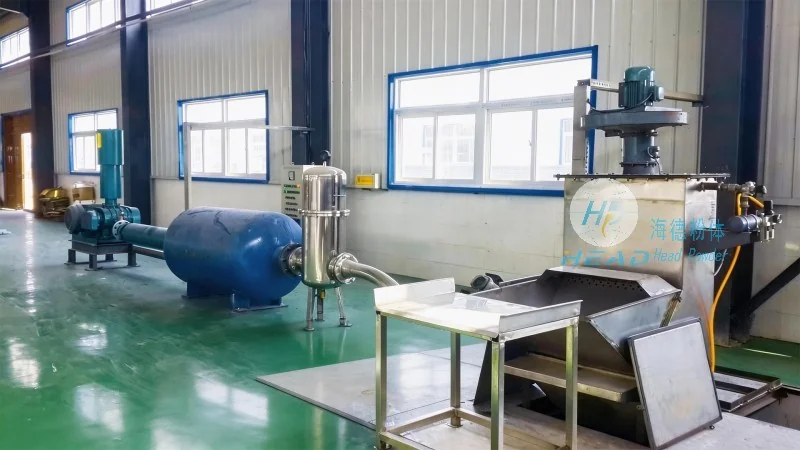
3. Hybrid Pneumatic Conveying Systems
Hybrid systems combine elements of both positive and negative pressure systems. They use a combination of blowers and vacuum pumps to achieve optimal performance for specific applications. These systems are particularly useful for complex transport routes that involve both upward and downward movement, or for handling materials with varying properties. The hybrid approach allows for greater flexibility in system design and can improve overall efficiency by reducing energy consumption and increasing material throughput.
Application Analysis of Fiber Material Pneumatic Conveying Systems
The application of fiber material pneumatic conveying systems varies widely depending on the industry and the specific material being handled. Here are some key applications:
1. Paper Manufacturing Industry
In the paper industry, pneumatic conveying systems are essential for transporting raw materials such as wood chips, pulp, and recycled paper. These systems help in moving materials from storage areas to the pulping and refining stages. The positive pressure systems are often used for short-distance transport within the mill, while vacuum systems are used for longer distances or for transporting materials from off-site locations. The efficiency of these systems contributes to the overall productivity of the paper mill, reducing downtime and improving material handling speeds.
2. Woodworking and Pulp Processing
Woodworking and pulp processing facilities rely on pneumatic conveying systems to transport wood chips, sawdust, and other fibrous waste materials. These systems help in managing the material flow from the cutting and processing stages to the storage or recycling areas. The use of positive pressure systems in these applications ensures that the material is transported without the risk of contamination or moisture absorption, which is critical for maintaining the quality of the final products. The systems also help in reducing labor costs by automating the material handling process.
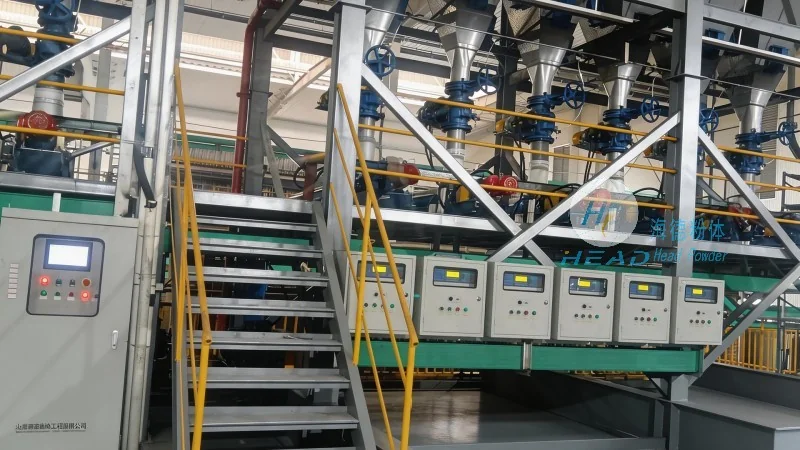
3. Textile and Fiber Processing
Textile mills and fiber processing plants use pneumatic conveying systems to transport raw fibers such as cotton, linen, and synthetic fibers. These systems are designed to handle materials with varying moisture content and particle sizes. The vacuum systems are particularly effective in these applications as they can draw fibers from multiple sources and transport them to the spinning or weaving machines. The use of these systems improves the consistency of the material supply, leading to better product quality and reduced waste.
4. Agricultural and Food Processing
In agricultural and food processing industries, pneumatic conveying systems are used to transport fibrous materials such as grain, straw, and other agricultural products. These systems help in moving materials from storage silos to processing equipment or to packaging areas. The positive pressure systems are commonly used in these applications due to their ability to handle materials with high moisture content and to prevent the ingress of contaminants. The systems also contribute to the hygiene standards in food processing by minimizing manual handling and reducing the risk of cross-contamination.
Company Profile: Shandong HeadPowder Engineering Co., Ltd.
Shandong HeadPowder Engineering Co., Ltd., a leading manufacturer in the field of pneumatic conveying systems, specializes in providing customized solutions for fiber material handling. With a strong focus on innovation and quality, the company has developed a range of advanced systems that meet the diverse needs of various industries. The company's headquarters is located in Shandong, China, and it has a team of experienced engineers and technicians who are dedicated to delivering high-performance and reliable systems to its clients.
Conclusion
Fiber material pneumatic conveying systems offer significant advantages in terms of efficiency, cost-effectiveness, and environmental friendliness compared to traditional material handling methods. The classification and application analysis provided in this article highlights the importance of selecting the right system based on the specific operational requirements and material characteristics. By understanding the different types of systems and their applications, industries can make informed decisions to optimize their material handling processes and improve overall productivity. Shandong HeadPowder Engineering Co., Ltd. continues to be a trusted partner in providing advanced pneumatic conveying solutions for fiber material handling, contributing to the growth and success of its clients in various sectors.