

Classification and Application Analysis of Cornmeal Pneumatic Conveying Systems
HeadPowder, a leading engineering company based in Shandong, China, specializes in the design and implementation of advanced pneumatic conveying systems tailored for cornmeal processing industries. Pneumatic conveying systems are crucial for efficiently transporting cornmeal from storage to processing units, ensuring minimal product degradation and operational efficiency. This article provides a comprehensive classification of these systems and an analysis of their practical applications in modern cornmeal production facilities.
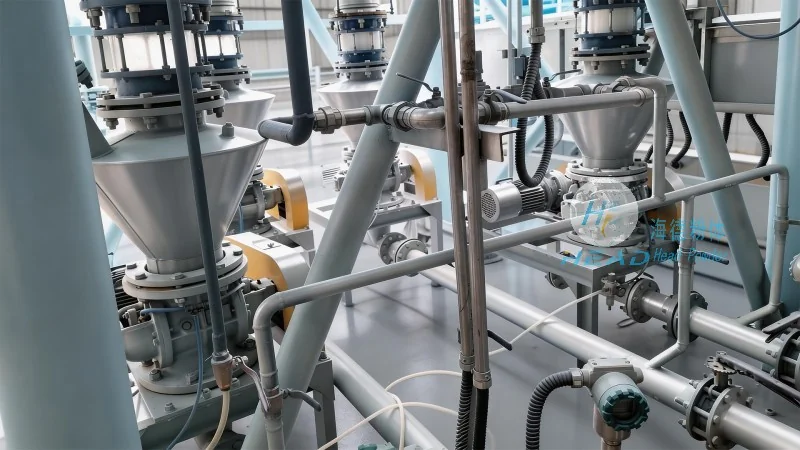
Classification of Cornmeal Pneumatic Conveying Systems
There are primarily two main categories of pneumatic conveying systems used in cornmeal handling: positive pressure and negative pressure systems. Each type has distinct characteristics and is suited for different operational requirements.
Positive Pressure Systems
Positive pressure systems operate by blowing air or gas into the conveying line, creating a pressure higher than the ambient air pressure. This method is ideal for conveying cornmeal over long distances or against gravity, such as when moving from a lower storage silo to an upper processing unit. The system typically includes a blower, a hopper for material loading, and a discharge point at the destination. Positive pressure systems are known for their high conveying capacity and ability to handle abrasive materials like cornmeal without significant wear on components. They are commonly used in large-scale cornmeal processing plants where bulk material transport is required.
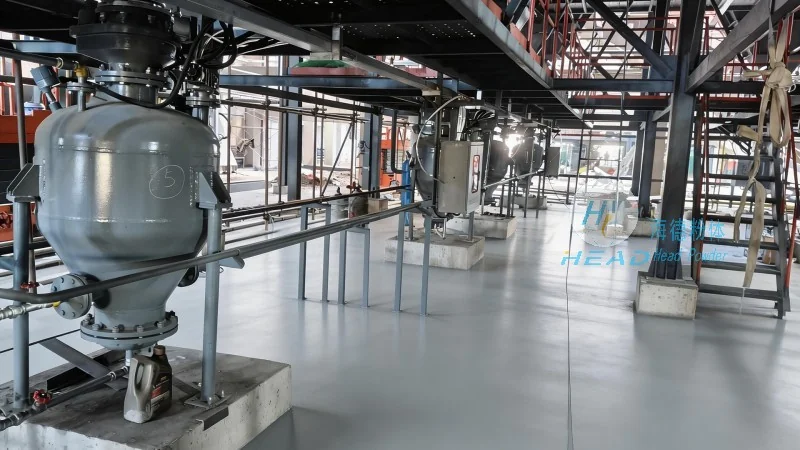
Negative Pressure Systems
Negative pressure systems, also known as vacuum systems, work by creating a vacuum in the conveying line, drawing cornmeal from the source into the system. This approach is suitable for short to medium-distance conveying, especially when the material needs to be transported from a higher elevation to a lower one or when the system is integrated with existing infrastructure that requires a sealed environment. Negative pressure systems are generally quieter and produce less dust compared to positive pressure systems, making them preferable in environments where noise and dust control are critical. However, they have lower conveying capacities and may require more maintenance due to the higher stress on the vacuum pump and associated components.
Application Analysis of Cornmeal Pneumatic Conveying Systems
The choice of a pneumatic conveying system for cornmeal processing depends on several factors, including the plant layout, the distance between the storage and processing areas, the required material flow rate, and the need for dust control. Positive pressure systems are often preferred in large-scale operations where high throughput is essential, as they can handle larger volumes of cornmeal efficiently. For example, in a cornmeal mill with multiple storage silos and processing lines, a positive pressure system can be configured to transport cornmeal from multiple silos to a central grinding unit, optimizing material flow and reducing downtime.
Integration with Cornmeal Processing Lines
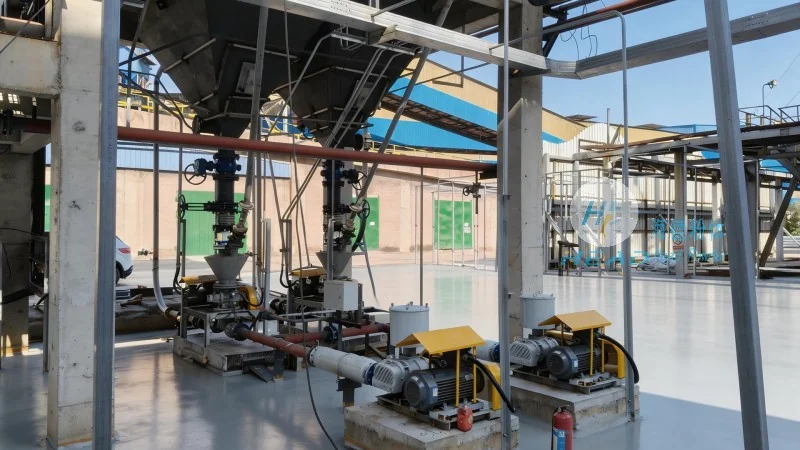
Modern cornmeal processing facilities often integrate pneumatic conveying systems with other processing equipment, such as mills, sifters, and packaging machines. This integration allows for a seamless flow of materials from raw cornmeal storage to the final packaged product. For instance, after cornmeal is conveyed from the storage silo to a grinding mill using a positive pressure system, it can be further conveyed to a sifter for particle size classification. The system’s ability to maintain product quality is critical here, as cornmeal is sensitive to temperature and moisture changes during transport. HeadPowder’s systems are designed with temperature-controlled conveying lines and moisture-resistant materials to ensure that the cornmeal remains in optimal condition throughout the process.
Advantages and Considerations
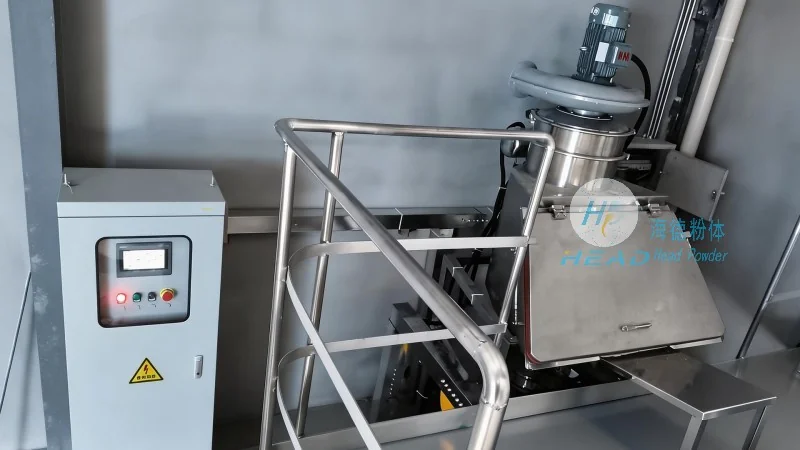
Both positive and negative pressure systems offer advantages in cornmeal handling. Positive pressure systems provide higher conveying rates and are more suitable for long-distance transport, while negative pressure systems offer better dust control and are quieter. However, each system has its limitations. Positive pressure systems may generate more dust and require more robust filtration systems to comply with environmental regulations. Negative pressure systems, on the other hand, may have lower efficiency at high flow rates and may need more frequent maintenance due to the vacuum pump’s operational stress.
Customization and Engineering Solutions by HeadPowder
HeadPowder Engineering Co., Ltd., with its headquarters in Shandong, China, offers customized pneumatic conveying solutions tailored to the specific needs of cornmeal processing plants. The company’s engineering team works closely with clients to assess their operational requirements, plant layout, and material characteristics to design an optimal system. Whether it’s a positive pressure system for large-scale bulk transport or a negative pressure system for dust-sensitive applications, HeadPowder provides comprehensive solutions that include system design, installation, and after-sales support. The company’s expertise in cornmeal handling ensures that the systems are not only efficient but also maintain the quality and integrity of the product, which is crucial for meeting market standards and customer expectations.