

Classification and Application Analysis of Barium Sulfate Pneumatic Conveying Systems
Barium sulfate, commonly known as heavy spar or blanc fixe, is a widely used industrial material due to its high density, chemical inertness, and excellent opacity properties. In various industrial processes, the efficient and reliable transport of barium sulfate is crucial for maintaining production efficiency and product quality. Pneumatic conveying systems have emerged as a preferred method for handling this material, offering advantages such as dust-free operation, low maintenance requirements, and the ability to handle fine powders. This article provides a classification of barium sulfate pneumatic conveying systems and analyzes their practical applications in different industrial sectors.
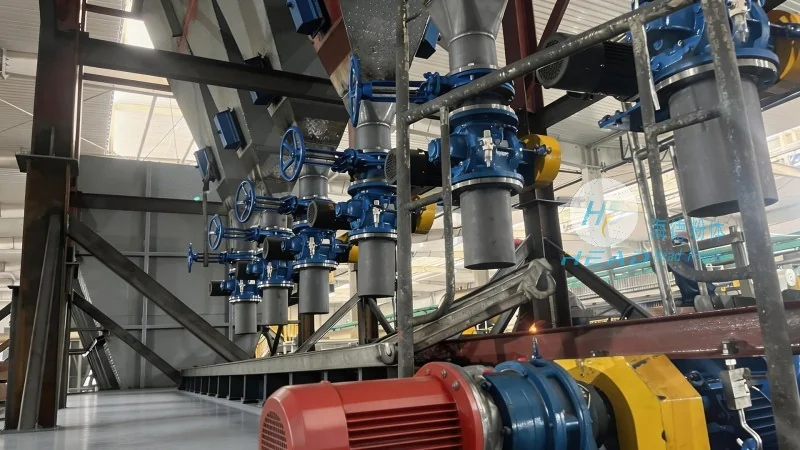
Classification of Barium Sulfate Pneumatic Conveying Systems
Barium sulfate pneumatic conveying systems can be categorized based on several key factors, including the type of air flow, the method of material feeding, and the system pressure. The primary classifications include:
1. Suction Type Systems: These systems use negative pressure to draw material from a storage silo or hopper into the conveying line. Suction systems are typically used for short-distance transport and are suitable for handling materials with low to medium flow rates. They are particularly effective when the material is to be transferred from a lower elevation to a higher one, as the negative pressure helps in lifting the material.
2. Pressure Type Systems: In contrast to suction systems, pressure type systems use positive pressure to push material through the conveying line. These systems are ideal for longer-distance transport and can handle higher material flow rates. They are commonly used when the material needs to be transported from a higher elevation to a lower one or when the system requires higher pressure to overcome resistance in the pipeline.
3. Combined Systems: Some applications may require a combination of both suction and pressure elements. For instance, a system might use suction to draw material from a hopper and then use pressure to transport it to the final destination. This hybrid approach allows for greater flexibility and can optimize the conveying process based on specific operational needs.
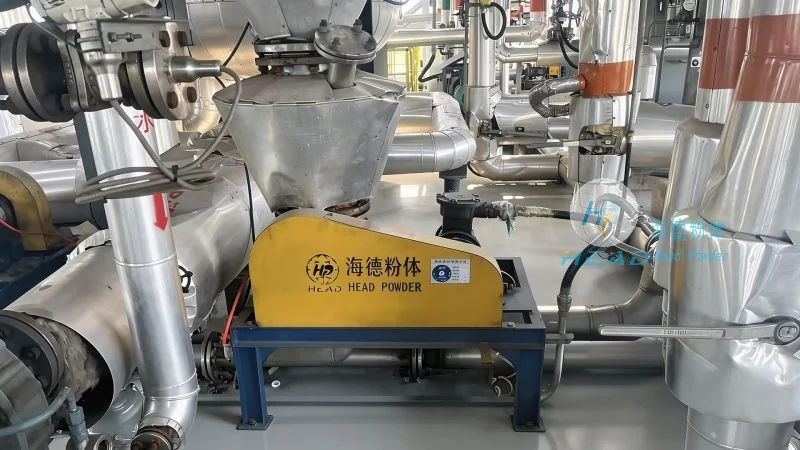
4. Dilute Phase vs. Dense Phase Systems: The classification can also be based on the phase of the material flow within the pipeline. Dilute phase systems involve the material being suspended in the air stream, with a low solids concentration. These systems are suitable for fine powders and short to medium distances. Dense phase systems, on the other hand, transport material in a slurry-like state with higher solids concentration, often using a pulse or valve-controlled system to maintain a consistent flow. Dense phase systems are preferred for handling abrasive or sensitive materials, as they reduce particle impact and wear on the system components.
Application Analysis of Barium Sulfate Pneumatic Conveying Systems
The application of barium sulfate pneumatic conveying systems varies across different industries, each with specific requirements for material handling and process integration. The following sections analyze the key applications and benefits in several sectors:
1. Pharmaceutical Industry: In the pharmaceutical sector, barium sulfate is widely used as an X-ray contrast agent in medical imaging. The pneumatic conveying system must meet stringent hygiene and contamination control standards. The systems used in pharmaceutical applications are typically designed with stainless steel components, closed-loop operation, and advanced filtration to ensure that the material remains free from contaminants. The classification of systems often includes pressure type designs to maintain consistent flow rates and prevent material degradation. The efficiency of these systems directly impacts the quality and safety of the final pharmaceutical products, making reliable pneumatic conveying essential.
2. Chemical Manufacturing: In chemical plants, barium sulfate is used as a filler or pigment in various products, such as paints, coatings, and plastics. The pneumatic conveying systems in this industry must handle potentially abrasive or reactive materials, requiring robust construction and proper material selection for components like pipes, valves, and pumps. The classification may include dense phase systems to minimize material degradation and prevent clogging in the pipeline. The application analysis shows that the choice of system depends on the specific chemical properties of the barium sulfate being handled, such as its particle size and moisture content. Proper system design ensures that the material is transported without agglomeration or loss of quality.
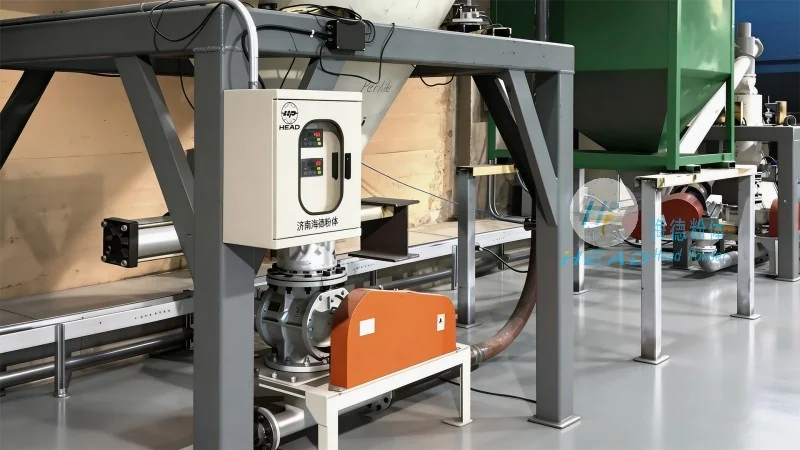
3. Mining and Minerals Processing: In the mining industry, barium sulfate is extracted from ore and processed for various industrial uses. The pneumatic conveying systems used in mining operations often need to handle large volumes of material over long distances. The classification may include both suction and pressure systems, depending on the layout of the mining site and the elevation changes. The application analysis highlights the importance of durability and reliability in mining environments, where systems must withstand harsh conditions and continuous operation. The use of dense phase systems can help in reducing wear and tear on equipment, extending the lifespan of the conveying system and reducing maintenance costs.
4. Food and Beverage Industry: Although less common, barium sulfate is sometimes used in the food industry as a food additive or in the production of certain beverages. The pneumatic conveying systems in this sector must comply with strict food safety regulations, including the use of food-grade materials and thorough cleaning procedures. The classification of systems is typically limited to low-pressure, closed-loop designs to prevent cross-contamination. The application analysis indicates that the primary focus is on maintaining the purity of the material and ensuring that it is handled hygienically. The systems are often integrated with other processing equipment to streamline the production process and improve overall efficiency.
Key Considerations for System Design and Implementation
When selecting a barium sulfate pneumatic conveying system, several factors must be considered to ensure optimal performance and longevity. These include the material's physical properties, such as particle size, density, and moisture content, as well as the operational requirements like distance, flow rate, and elevation changes. The choice of system classification, whether suction, pressure, dilute or dense phase, is critical and should be based on a thorough analysis of these factors. Additionally, the system design must account for factors like system pressure, air consumption, and energy efficiency to minimize operational costs. Proper maintenance and regular inspections are also essential to prevent system failures and ensure consistent performance.
Conclusion
Barium sulfate pneumatic conveying systems offer a reliable and efficient solution for handling this important industrial material. The classification of systems, based on air flow type, feeding method, and phase of material transport, allows for tailored solutions to meet the specific needs of different industries. The application analysis demonstrates the versatility of these systems across pharmaceutical, chemical, mining, and food sectors, highlighting their role in maintaining production efficiency and product quality. By understanding the key factors in system design and implementation, industries can select the most appropriate pneumatic conveying system for their barium sulfate handling needs. As a leading provider in the field, Shandong HeadPowder Engineering Co., Ltd. specializes in designing and manufacturing customized pneumatic conveying systems that meet the highest standards of performance and reliability, ensuring that clients can achieve optimal results in their operations.