

Classification and Application Analysis of Ammonium Nitrate Pneumatic Conveying Systems
Ammonium nitrate is a widely used chemical compound in various industrial sectors, including agriculture, explosives, and chemical manufacturing. The efficient and safe transportation of this material is crucial for operational efficiency and safety. Pneumatic conveying systems have emerged as a preferred method for handling ammonium nitrate due to their ability to transport bulk materials through a pipeline using air or other gases. This article provides a classification of different types of ammonium nitrate pneumatic conveying systems and analyzes their applications in industrial settings.
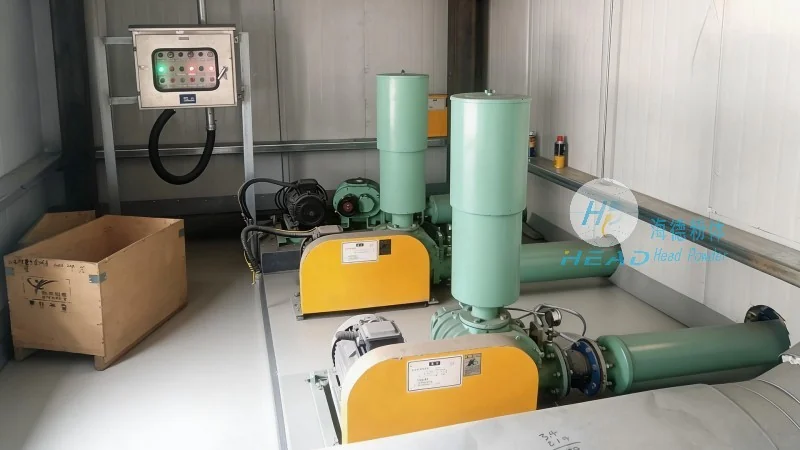
About the Company: Shandong HeadPowder Engineering Co., Ltd.
Shandong HeadPowder Engineering Co., Ltd., operating under the brand name HeadPowder, is a leading provider of engineering solutions for bulk material handling. With a focus on innovation and safety, the company specializes in designing, manufacturing, and installing pneumatic conveying systems tailored to the specific needs of clients. HeadPowder is headquartered in Shandong, China, and serves a global clientele across multiple industries. The company's expertise in material handling technology ensures that clients receive reliable and efficient solutions for their ammonium nitrate transportation challenges.
Classification of Ammonium Nitrate Pneumatic Conveying Systems
Pneumatic conveying systems for ammonium nitrate can be classified based on several key factors, including the method of air flow, the type of conveying mechanism, and the system pressure. The primary classifications include pressure conveying, vacuum conveying, and combined systems. Each type has distinct characteristics and is suitable for different operational requirements.
Pressure Conveying Systems
Pressure conveying systems use compressed air to move material from the source to the destination. These systems operate at positive pressure, ensuring that the material is pushed through the pipeline. They are commonly used for long-distance and high-volume transport of ammonium nitrate. The system typically includes a blower, a hopper, and a pipeline network. The compressed air creates a pressure differential that propels the material forward. Pressure conveying is effective for applications where the material needs to be transported over significant distances without intermediate storage.
Vacuum Conveying Systems
Vacuum conveying systems, on the other hand, use a vacuum to draw material from the source into the pipeline. These systems operate at negative pressure, creating a suction effect that pulls the material. Vacuum systems are ideal for short-distance transport and for handling materials that are sensitive to pressure changes or for applications where the material needs to be collected from multiple points. The system includes a vacuum pump, a hopper, and a pipeline network. The vacuum creates a pressure differential that draws the material into the pipeline. Vacuum conveying is often used in environments where the material is to be transported from a lower elevation to a higher one or where the material is to be collected from a dispersed source.
Combined Conveying Systems
Combined systems integrate both pressure and vacuum conveying principles. These systems can operate in either mode depending on the operational needs. They are versatile and can handle a wide range of material characteristics and transport requirements. The system may include a blower and a vacuum pump, allowing for flexible operation. Combined systems are particularly useful in complex industrial setups where material needs to be transported over varying distances or where the system needs to accommodate both loading and unloading operations from multiple points.
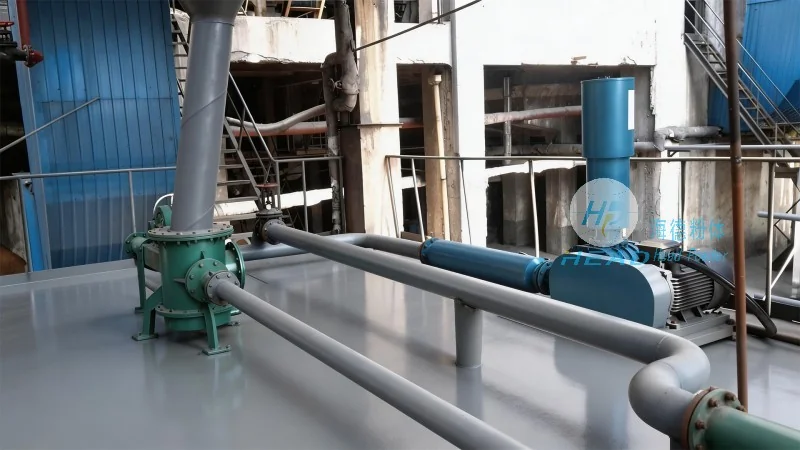
Application Analysis of Ammonium Nitrate Pneumatic Conveying Systems
The application of ammonium nitrate pneumatic conveying systems varies based on the specific industry and the operational requirements. The systems are designed to meet the unique challenges of each application, ensuring efficient and safe material handling. The following sections analyze the typical applications and the considerations for selecting the appropriate system.
Industrial Manufacturing
In the chemical manufacturing industry, ammonium nitrate is used as a raw material in the production of fertilizers, explosives, and other chemical products. Pneumatic conveying systems are essential for transporting this material from storage to processing units. The systems ensure that the material is handled in a controlled environment, minimizing the risk of dust exposure and ensuring consistent material flow. The choice of system depends on the production scale and the distance between the storage and processing areas. For large-scale manufacturing, pressure conveying systems are often preferred due to their ability to handle high volumes over long distances. For smaller-scale operations or where the material needs to be transported from multiple storage points, vacuum systems may be more suitable.
Agricultural Fertilizer Production
Ammonium nitrate is a key component in agricultural fertilizers, providing essential nitrogen to crops. The transportation of this material from production facilities to distribution centers is critical for meeting agricultural demands. Pneumatic conveying systems are widely used in fertilizer plants to move ammonium nitrate from the production line to storage silos or loading terminals. The systems are designed to handle the bulk nature of the material and ensure that it is transported without degradation. The choice of system depends on the plant's capacity and the distance to the distribution centers. Pressure conveying systems are commonly used in large fertilizer plants due to their efficiency in handling high volumes. Vacuum systems may be used for shorter distances or for collecting material from multiple production lines.
Explosives and Propellant Manufacturing
In the explosives and propellant industry, ammonium nitrate is used as a primary component in the formulation of blasting agents and propellants. The handling of this material requires strict safety measures due to its sensitivity. Pneumatic conveying systems are used to transport ammonium nitrate from storage to mixing and processing units. The systems are designed with safety features such as explosion-proof components and dust suppression systems. The choice of system depends on the operational safety requirements and the material's sensitivity. Vacuum systems are often preferred in this industry due to their ability to handle the material in a controlled environment and minimize the risk of dust accumulation. The systems are typically equipped with advanced controls to ensure that the material is handled safely and efficiently.
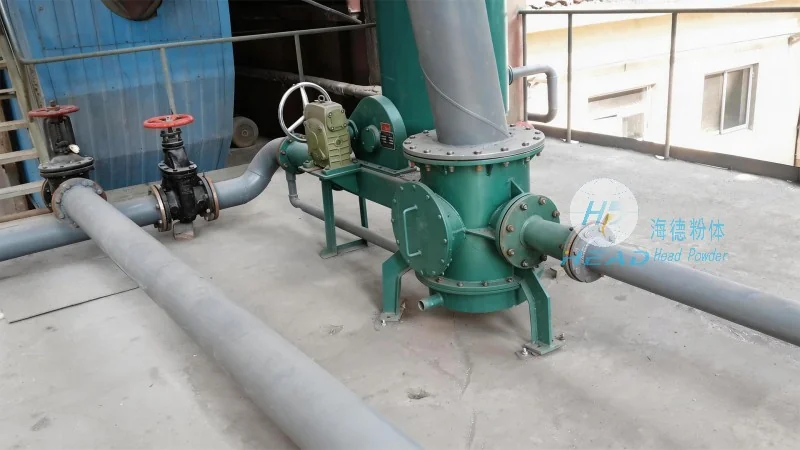
System Advantages and Selection Considerations
Ammonium nitrate pneumatic conveying systems offer several advantages over traditional material handling methods. These systems are capable of transporting bulk materials over long distances with minimal labor, reducing operational costs and improving efficiency. The systems are also flexible, allowing for easy integration into existing industrial setups. However, the selection of the appropriate system depends on several factors, including the material characteristics, the distance of transport, the required flow rate, and the safety considerations.
Material Characteristics
The characteristics of ammonium nitrate, such as its particle size, density, and flowability, influence the choice of conveying system. For example, if the material has a high density and is prone to bridging or caking, a pressure conveying system with a high-pressure blower may be necessary to ensure smooth flow. Conversely, if the material is light and dusty, a vacuum system with a high suction capacity may be more suitable. The system must be designed to handle the specific properties of the material to prevent blockages and ensure consistent performance.
Transport Distance and Flow Rate
The distance over which the material needs to be transported and the required flow rate are critical factors in system selection. For long-distance transport, pressure conveying systems are generally more efficient due to their ability to maintain a consistent flow rate over extended distances. For short-distance transport, vacuum systems may be sufficient and more cost-effective. The system's capacity must be matched to the production requirements to avoid underutilization or overloading, which can lead to system failure or safety hazards.
Safety and Environmental Considerations
Ammonium nitrate is a hazardous material, and the conveying system must be designed with safety in mind. The system should include features such as explosion-proof components, dust suppression systems, and emergency shut-off mechanisms. The choice of system also depends on the environmental regulations and the need to minimize dust emissions. Pressure systems may require additional safety measures to prevent over-pressurization, while vacuum systems need to ensure that the material is not drawn into the vacuum pump or other components. The system must comply with local and international safety standards to ensure that it operates safely and without risk to personnel or the environment.
Conclusion
Ammonium nitrate pneumatic conveying systems are essential for the efficient and safe handling of this critical material in various industrial applications. The classification of these systems, including pressure, vacuum, and combined systems, allows for the selection of the most appropriate solution based on specific operational requirements. The application analysis highlights the importance of considering material characteristics, transport distance, and safety factors when choosing a system. Shandong HeadPowder Engineering Co., Ltd. provides comprehensive engineering solutions for ammonium nitrate pneumatic conveying systems, ensuring that clients receive tailored solutions that meet their unique needs. With a focus on innovation and safety, HeadPowder continues to advance the technology of bulk material handling, providing reliable and efficient systems for the global market.