

Classification and Application Analysis of Calcium Chloride Pneumatic Conveying Systems
Calcium chloride, a widely used chemical compound, plays a crucial role in various industrial processes. The efficient and safe transportation of calcium chloride is essential for industrial operations, and pneumatic conveying systems have emerged as a preferred method due to their advantages in handling bulk materials. This article provides an in-depth analysis of the classification of calcium chloride pneumatic conveying systems and their practical applications in different industries.
Introduction to Calcium Chloride Pneumatic Conveying Systems
Calcium chloride (CaCl₂) is a hygroscopic salt commonly used in deicing, food processing, and chemical manufacturing. Pneumatic conveying systems are designed to transport bulk solids like calcium chloride through the use of air or other gases. These systems offer benefits such as reduced dust, improved safety, and increased operational efficiency compared to traditional methods like belt conveyors or bucket elevators. The classification of pneumatic conveying systems is based on the pressure differentials and the direction of material flow.
Classification of Calcium Chloride Pneumatic Conveying Systems
There are primarily two main categories of pneumatic conveying systems: positive pressure systems and negative pressure systems. Each type has distinct characteristics and is suitable for different operational requirements.
Positive Pressure Pneumatic Conveying Systems
Positive pressure systems operate by blowing air or gas into the conveying line, creating a pressure higher than the ambient air pressure. The material is drawn into the system by the pressure differential and is propelled forward. These systems are generally more suitable for long-distance and high-capacity conveying of calcium chloride. They are also effective in handling abrasive or corrosive materials, which is common in calcium chloride applications. The positive pressure systems can be further divided into pressure dilute phase and pressure dense phase systems.
Negative Pressure Pneumatic Conveying Systems
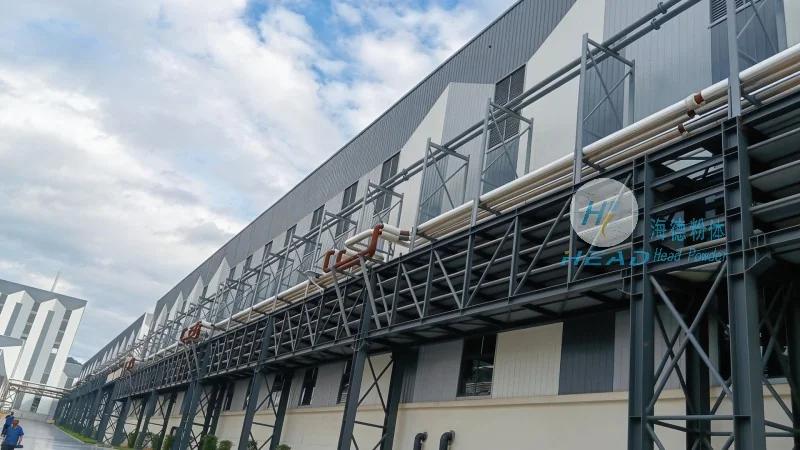
Negative pressure systems, also known as vacuum systems, operate by creating a vacuum in the conveying line, which draws the material from the source. The material is then carried by the air flow towards the destination. These systems are ideal for short-distance conveying and for applications where dust control is a priority. They are commonly used in environments where the material needs to be transported without exposing it to the external atmosphere. Negative pressure systems are also effective in handling materials that are sensitive to air exposure.
Key Components of Calcium Chloride Pneumatic Conveying Systems
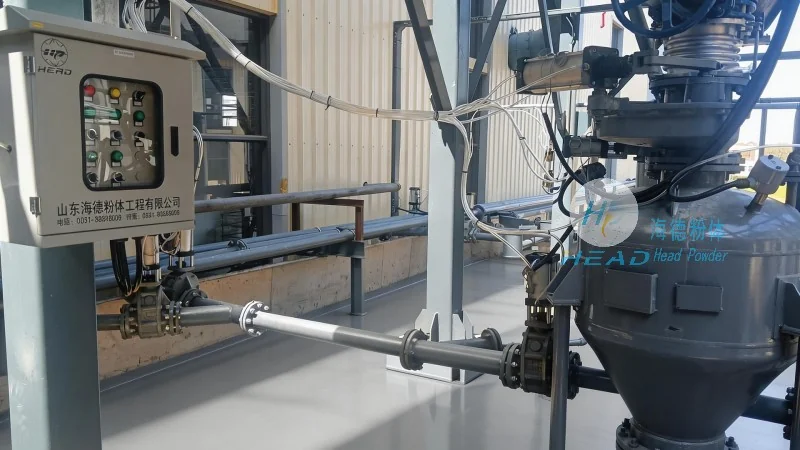
Regardless of the system type, calcium chloride pneumatic conveying systems typically consist of several key components. These include the material feed hopper, the air or gas source (such as a blower or compressor), the conveying line, the material separator or cyclone, and the discharge hopper. The material feed hopper is designed to store and feed the calcium chloride into the system at a controlled rate. The air source provides the necessary pressure or vacuum to move the material through the line. The conveying line is usually made of corrosion-resistant materials like stainless steel or polyethylene to withstand the chemical properties of calcium chloride. The material separator or cyclone is used to separate the material from the air stream, ensuring that the material is discharged cleanly and the air is filtered before release. The discharge hopper collects the conveyed calcium chloride and prepares it for further processing or storage.
Applications of Calcium Chloride Pneumatic Conveying Systems
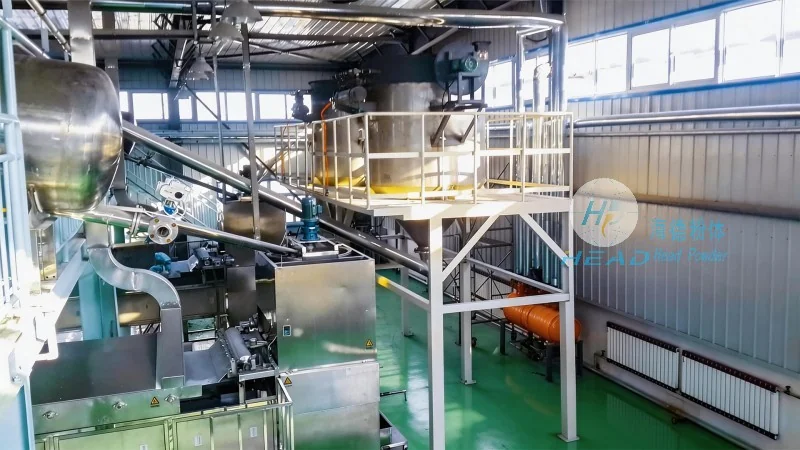
The versatility of calcium chloride and the efficiency of pneumatic conveying systems make them suitable for a wide range of applications across different industries. In the chemical industry, calcium chloride is used as a dehydrating agent and a cooling agent. Pneumatic conveying systems are used to transport calcium chloride from storage tanks to reactors or other processing units. This ensures a continuous and controlled supply of the chemical, which is critical for maintaining production efficiency. In the food industry, calcium chloride is used as a food additive and a preservative. The pneumatic conveying systems are employed to transport the calcium chloride from bulk storage to processing lines, ensuring that the material is handled hygienically and without contamination. The systems are designed to meet food safety standards, with components that are easy to clean and maintain.
Industrial Applications
In the construction industry, calcium chloride is used as a deicing agent and a concrete admixture. Pneumatic conveying systems are used to transport calcium chloride from storage to construction sites. This allows for the efficient and safe delivery of the material, especially in areas where traditional transportation methods may be difficult or unsafe. The systems are also used in the pharmaceutical industry, where calcium chloride is used as a raw material for various medications. The pneumatic conveying systems ensure that the material is transported in a sterile and controlled manner, meeting the stringent quality requirements of the pharmaceutical sector.
Advantages and Considerations in Calcium Chloride Pneumatic Conveying
Calcium chloride pneumatic conveying systems offer several advantages over traditional material handling methods. These include reduced labor costs due to automated operation, improved safety by minimizing human exposure to the material, and increased efficiency through continuous operation. However, there are also considerations to be made when implementing these systems. The cost of the equipment and the energy consumption are significant factors. The selection of the appropriate system type depends on the specific application requirements, such as the distance to be covered, the material characteristics, and the environmental regulations. Proper maintenance of the system components is also crucial to ensure long-term operational efficiency and to prevent equipment failure.
Conclusion
In conclusion, calcium chloride pneumatic conveying systems are an effective and efficient method for transporting calcium chloride in various industrial applications. The classification of these systems, based on pressure differentials, allows for the selection of the most suitable system for specific operational needs. The key components and the applications of these systems highlight their versatility and importance in modern industrial processes. As the demand for calcium chloride continues to grow, the development and optimization of pneumatic conveying systems will remain critical for ensuring the efficient and safe handling of this essential chemical.