

Classification and Application Analysis of Pneumatic Conveying Systems for Seasoning Products
HeadPowder, a leading engineering company based in Shandong, China, specializes in the design and implementation of advanced pneumatic conveying systems tailored for the seasoning industry. This article provides a comprehensive overview of the classification of these systems and their practical applications, highlighting the technological advancements and operational benefits they offer to manufacturers in the food processing sector.
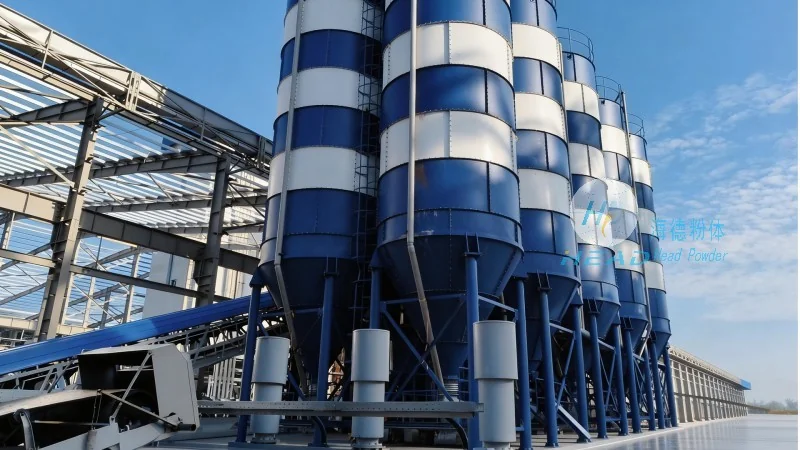
Pneumatic Conveying Systems: An Overview
Pneumatic conveying systems are essential for the efficient handling and transportation of bulk materials, including various types of seasonings such as spices, herbs, and flavor enhancers. These systems utilize air or other gases to move powders and granules through a pipeline network, eliminating the need for mechanical components like belts or buckets. The primary goal of these systems is to ensure a clean, hygienic, and cost-effective method of material transfer, which is critical in food processing environments where product purity and safety are paramount.
Classification of Pneumatic Conveying Systems for Seasoning Products
Based on the principles of operation and the type of air flow, pneumatic conveying systems for seasoning products can be broadly classified into two main categories: pressure and vacuum systems. Each category has distinct characteristics and is suited to different operational requirements.
1. Pressure Pneumatic Conveying Systems
Pressure systems operate by introducing compressed air into the material feed point, creating a positive pressure that propels the material through the pipeline. This method is particularly effective for conveying materials over longer distances or when dealing with materials that are prone to bridging or clogging. The system typically includes a blower or compressor, a material hopper, and a discharge valve. The compressed air ensures that the material is continuously moved, maintaining a consistent flow rate and preventing material degradation due to static or mechanical stress.
2. Vacuum Pneumatic Conveying Systems
Vacuum systems, on the other hand, use a vacuum pump to create a negative pressure within the pipeline, drawing the material from the source into the system. This approach is ideal for applications where the material needs to be collected from multiple points or when the material is to be transported from a lower elevation to a higher one. The vacuum system is often more flexible in terms of layout and can handle materials with higher moisture content or those that are more sensitive to pressure changes.
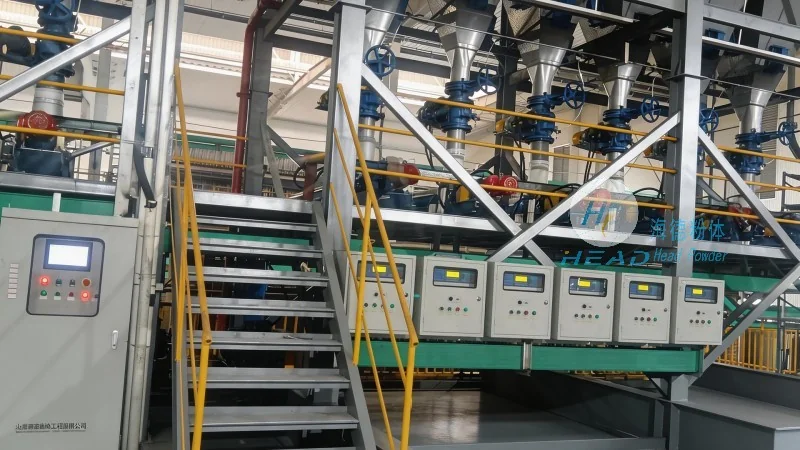
Key Components and Design Considerations
Both pressure and vacuum systems share common components, but their design varies based on the material characteristics and operational needs. Key components include the material hopper, which stores the seasoning product and provides a controlled feed; the air handling unit (blower or vacuum pump); the pipeline network, which may include bends, elbows, and expansion joints to accommodate changes in direction and elevation; and the discharge equipment, such as rotary valves or airlocks, which control the release of the material at the destination.
For seasoning products, which often have varying particle sizes and moisture levels, the system design must consider factors like particle size distribution, flowability, and hygroscopicity. The choice of materials for the hopper and pipeline, such as stainless steel or food-grade plastics, is crucial to maintain product integrity and prevent contamination. Additionally, the system must be equipped with proper filtration and cleaning mechanisms to ensure that the air used in the conveying process remains clean and does not introduce foreign particles into the product.
Application Analysis: Enhancing Efficiency in Seasoning Manufacturing
The application of pneumatic conveying systems in the seasoning industry has revolutionized the way manufacturers handle bulk materials. By eliminating manual handling and reducing the risk of cross-contamination, these systems improve overall operational efficiency and product quality. For instance, in a spice processing plant, a pressure pneumatic system can efficiently transport ground pepper or cumin from the grinding area to the packaging line, ensuring a consistent flow rate and minimizing downtime.
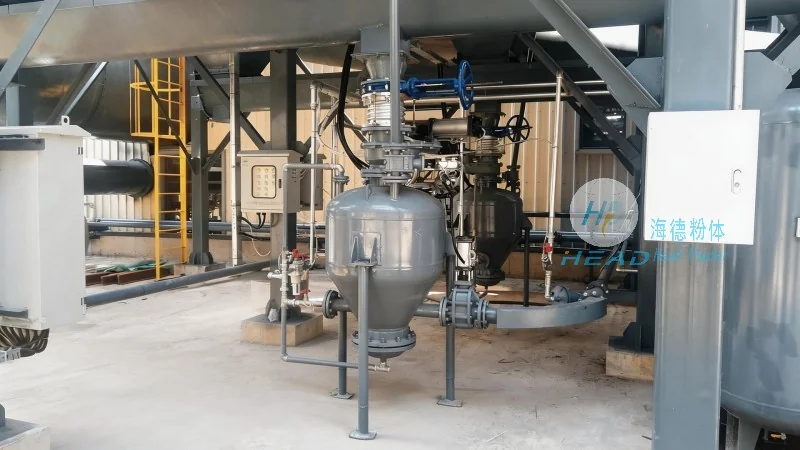
Vacuum systems are particularly useful in applications where the seasoning is collected from multiple storage bins or from a production line where the material is generated at various points. This flexibility allows manufacturers to optimize their production layout and reduce the need for extensive reconfiguration of the conveying network. Moreover, the ability to handle materials with higher moisture content or those that are prone to caking makes vacuum systems a preferred choice for certain types of seasonings, such as dried herbs or powdered seasonings.
Operational Benefits and Best Practices
Implementing pneumatic conveying systems for seasoning products offers several operational benefits. These include reduced labor costs due to automated material handling, improved product hygiene through enclosed systems, and enhanced safety by minimizing human exposure to powders. Additionally, the systems can be integrated with other processing equipment, such as mixers and blenders, to create a seamless production line that maximizes throughput and minimizes waste.
Best practices for the operation and maintenance of these systems include regular cleaning and inspection of the pipeline and components to prevent material buildup and clogging. The air handling unit should be maintained to ensure optimal performance and energy efficiency. Furthermore, monitoring the system's performance parameters, such as air pressure and flow rate, can help identify potential issues before they lead to system failures, ensuring continuous and reliable operation.
Conclusion
HeadPowder Engineering Co., Ltd., with its expertise in pneumatic conveying technology, provides tailored solutions for the seasoning industry, addressing the unique challenges of handling bulk seasonings. By understanding the classification of these systems and their application-specific benefits, manufacturers can enhance their production efficiency, product quality, and overall operational performance. The integration of advanced pneumatic conveying systems not only meets the current industry standards but also positions companies for future growth and competitiveness in the global market.