

Introduction to the Phosphoric Hydrogen Calcium Powder Conveying System: Structure and Working Princ
The Phosphoric Hydrogen Calcium (PHC) powder conveying system is a specialized industrial solution designed for the efficient handling and transportation of PHC powder. As a key component in the production and processing of calcium phosphate compounds, this system ensures reliable material flow from storage to processing units. Developed by Shandong HeadPowder Engineering Co., Ltd., a leading manufacturer in powder engineering, the system integrates advanced mechanical and pneumatic technologies to meet the stringent requirements of modern chemical and food industries.
Key Components and Structural Design
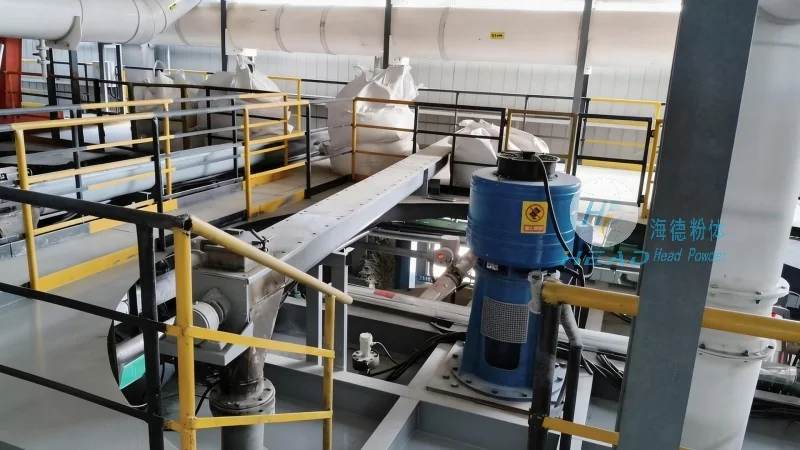
The system's structure is engineered to optimize performance and durability. It typically consists of several core components, including a hopper for material storage, a rotary valve or feeder for controlled discharge, a pipeline network for pneumatic transport, and a receiver or processing unit at the destination. The hopper is designed with a conical bottom to facilitate uniform material flow and prevent agglomeration, which is critical for maintaining the quality of PHC powder. The rotary valve, often equipped with adjustable speed controls, regulates the feed rate, ensuring consistent material delivery to the transport pipeline. The pipeline system utilizes high-quality stainless steel or corrosion-resistant materials to withstand the chemical properties of PHC and prevent contamination. The receiver unit is designed to handle the incoming powder gently, minimizing product degradation and ensuring accurate dosing for downstream processes.
Working Principle of the Conveying Process
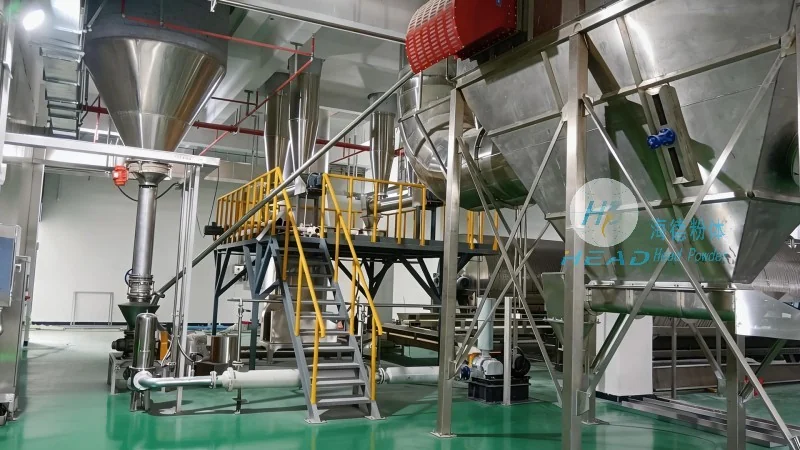
The operation of the PHC powder conveying system follows a systematic pneumatic conveying process. Initially, the PHC powder is stored in the hopper. When the system is activated, the rotary valve opens, allowing a controlled amount of powder to enter the pipeline. Simultaneously, a low-pressure air stream is introduced into the pipeline, creating a positive pressure environment that propels the powder particles forward. The air-powder mixture travels through the pipeline network, which may include bends, elbows, and expansion joints, all designed to minimize pressure loss and maintain efficient flow. At the receiving end, the air and powder are separated, typically using a cyclone separator or a filter, where the powder is collected in the receiver and the air is discharged or recycled. This separation process ensures that the powder is delivered to the processing unit in a clean and dry state, ready for further applications.
Technical Advantages and Application Benefits
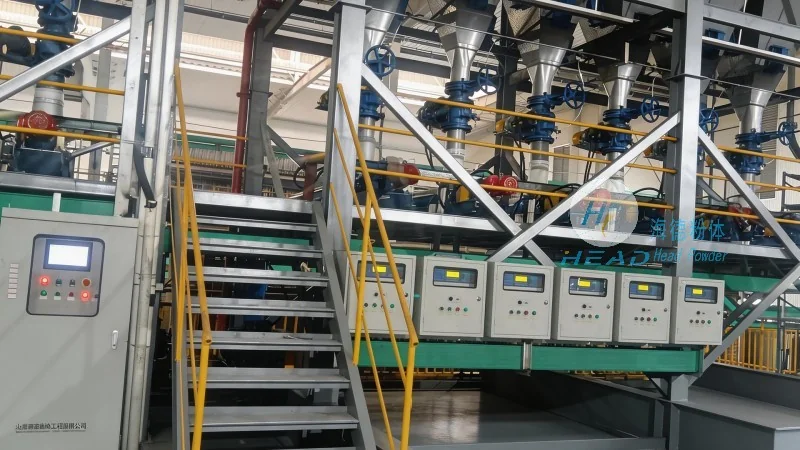
Shandong HeadPowder Engineering Co., Ltd. has incorporated several technical advantages into the design of the PHC powder conveying system. The system's modular construction allows for easy installation and maintenance, reducing downtime and operational costs. The use of stainless steel components enhances corrosion resistance, extending the system's service life and maintaining product purity. The adjustable feed rate and pressure control features enable precise material handling, which is essential for applications requiring consistent powder quality, such as in the production of food additives, pharmaceuticals, or industrial chemicals. Additionally, the system's energy-efficient design minimizes operational costs while ensuring high throughput, making it a cost-effective solution for large-scale PHC powder processing facilities.
Quality Assurance and Compliance
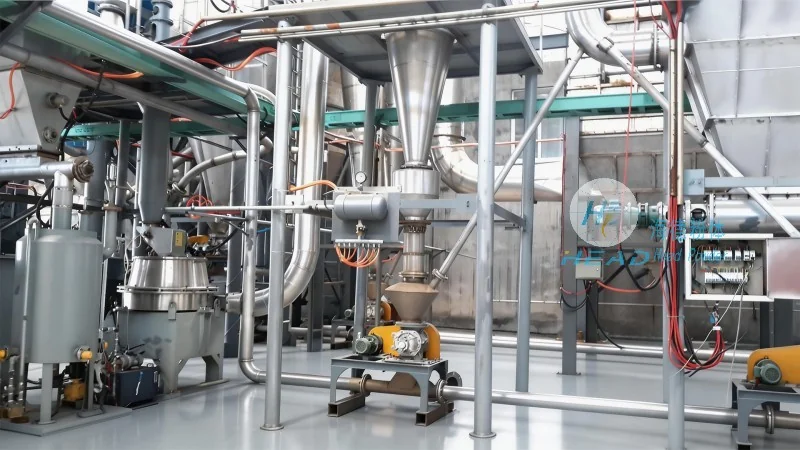
As a manufacturer based in China, Shandong HeadPowder Engineering Co., Ltd. adheres to strict quality control standards in the production of the PHC powder conveying system. The company ensures that all components meet international safety and environmental regulations, including those related to material handling and chemical processing. Regular maintenance and performance testing are conducted to verify the system's reliability and efficiency. This commitment to quality ensures that the system delivers consistent performance, reduces the risk of material loss or contamination, and provides a safe working environment for operators. The system's design also considers factors such as dust control and noise reduction, contributing to a safer and more sustainable industrial operation.