

Design Considerations for PVA-Formaldehyde Pneumatic Conveying System Solutions
For industries handling polyvinyl alcohol (PVA) and its formaldehyde-based derivatives, the design of a pneumatic conveying system is a critical factor in ensuring efficient material transport, minimizing downtime, and maintaining product quality. This article outlines key design considerations for PVA-formaldehyde pneumatic conveying systems, with a focus on practical solutions that align with industry standards and operational requirements.
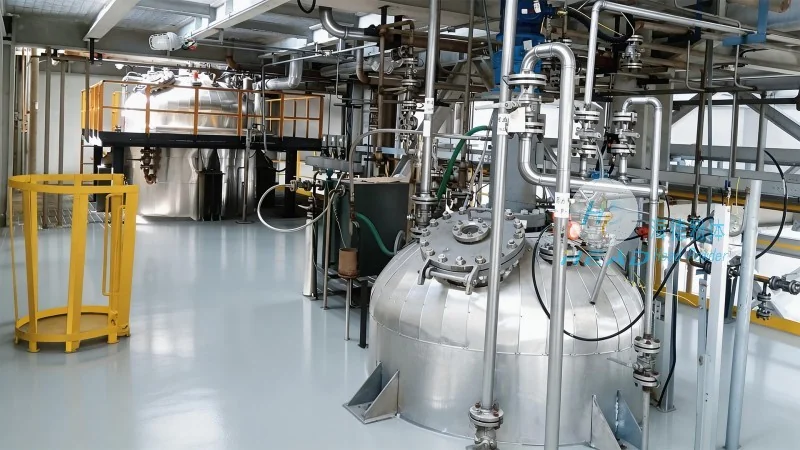
HeadPowder Engineering Co., Ltd., a leading provider of specialized engineering solutions in China, emphasizes the importance of tailored system design to meet the unique challenges of PVA-formaldehyde processing. The company’s expertise in material handling and process optimization has enabled it to develop robust solutions that enhance productivity and reliability in various industrial applications.
System Type Selection: Positive Pressure vs. Negative Pressure
The first critical decision in designing a PVA-formaldehyde pneumatic conveying system is choosing between positive pressure and negative pressure systems. Positive pressure systems use a blower to force air and material through the pipeline, while negative pressure systems use a vacuum to draw material into the system. For PVA-formaldehyde, which can be sensitive to moisture and temperature changes, positive pressure systems are often preferred as they provide better control over material flow and reduce the risk of contamination.
HeadPowder’s engineers evaluate factors such as material characteristics, system length, and environmental conditions to recommend the most suitable system type. For example, in applications where the conveying distance is short and the material is non-abrasive, a positive pressure system with a rotary airlock and cyclone separator may be optimal. Conversely, for longer distances or materials with higher abrasiveness, a combination of positive and negative pressure segments might be necessary to balance energy efficiency and material handling performance.
Pipeline Design and Layout
Proper pipeline design is essential for maintaining consistent material flow and preventing blockages or pressure drops in PVA-formaldehyde pneumatic conveying systems. The layout should minimize bends and changes in direction, as sharp angles can cause material to accumulate and lead to clogging. HeadPowder recommends using smooth, corrosion-resistant materials such as stainless steel or polyethylene for the pipeline to ensure durability and compatibility with PVA-formaldehyde, which can be hygroscopic and reactive under certain conditions.
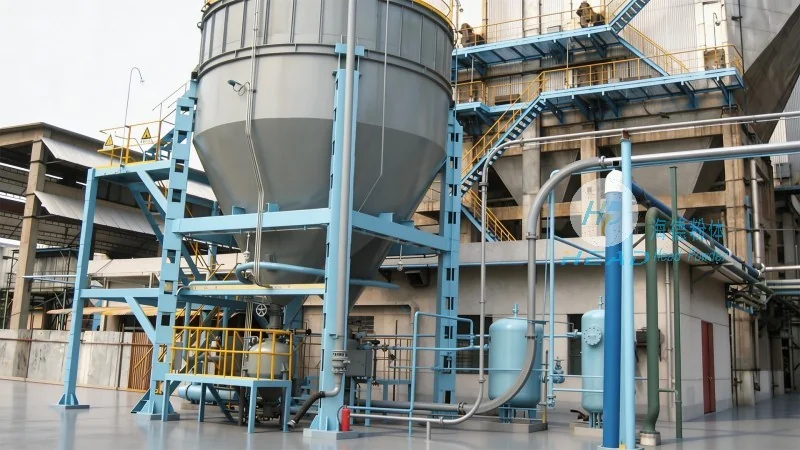
Additionally, the pipeline should be designed with appropriate slope to facilitate material movement, especially in vertical sections. The use of expansion joints and flexible connectors is recommended to accommodate thermal expansion and reduce stress on the system components. HeadPowder’s design team considers the entire process flow, including feed points, transfer points, and discharge locations, to create a layout that optimizes material transport while minimizing energy consumption.
Pressure Control and Airflow Management
Effective pressure control is crucial for maintaining stable material flow rates and preventing overpressurization or underpressurization in PVA-formaldehyde pneumatic conveying systems. HeadPowder employs advanced control systems that monitor pressure, airflow, and material feed rates in real-time, adjusting blower speed or vacuum levels as needed to maintain optimal conditions. This dynamic control helps to prevent material degradation, reduce energy waste, and extend the lifespan of system components.
For PVA-formaldehyde, which can be prone to agglomeration or bridging, the airflow rate must be carefully managed to ensure uniform material suspension. HeadPowder’s solutions include the use of high-efficiency cyclone separators and rotary airlocks that maintain consistent material velocity, preventing the formation of clumps that could cause blockages. The company also recommends regular maintenance of pressure sensors and control valves to ensure accurate pressure regulation.
Material Handling Equipment Selection
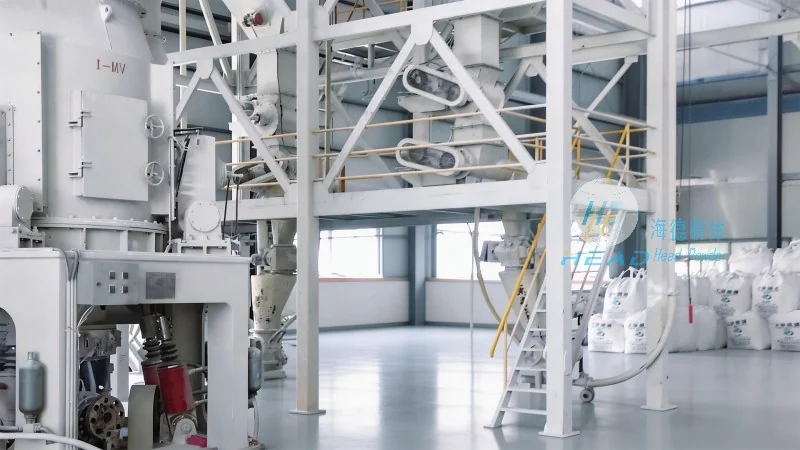
The selection of appropriate equipment for feeding, conveying, and discharging PVA-formaldehyde is critical to system performance. HeadPowder offers a range of specialized equipment, including rotary airlocks, screw feeders, and pneumatic valves, designed to handle the unique properties of PVA-formaldehyde. For example, rotary airlocks with stainless steel construction and adjustable speed controls are used to regulate material flow from hoppers or silos, while screw feeders with anti-wearing coatings are employed for high-capacity applications.
Discharge equipment such as cyclone separators and bag filters is essential for separating the conveyed material from the air stream. HeadPowder’s cyclone separators are designed with high-efficiency collection chambers and adjustable inlet velocities to maximize material recovery and minimize dust emissions. The company also provides custom-designed bag filters with HEPA or ULPA filters to meet specific filtration requirements, ensuring that the final product meets quality standards.
System Integration and Maintenance
A well-integrated pneumatic conveying system requires regular maintenance to ensure long-term reliability and performance. HeadPowder emphasizes the importance of preventive maintenance schedules, including cleaning of pipelines, replacement of worn components, and calibration of control systems. The company’s maintenance services include on-site inspections, component replacement, and system performance testing to identify and address potential issues before they impact production.
For PVA-formaldehyde systems, which may be exposed to moisture or chemical reactions, regular inspection of seals and gaskets is critical to prevent leaks and contamination. HeadPowder’s maintenance team uses specialized tools and materials to ensure that all system components are compatible with PVA-formaldehyde and meet industry safety standards. The company also provides training to plant operators on proper system operation and maintenance procedures to enhance system longevity and reduce downtime.