

Design Key Points for Pneumatic Conveying Systems of Lithium-Ion Battery Raw Materials
HeadPowder, a leading engineering firm based in Shandong, China, specializes in the design and implementation of advanced pneumatic conveying systems tailored for the handling of raw materials used in lithium-ion battery production. This article outlines the critical design considerations that ensure efficient, reliable, and safe operation of such systems, addressing the unique challenges posed by the materials and processes involved in modern battery manufacturing.
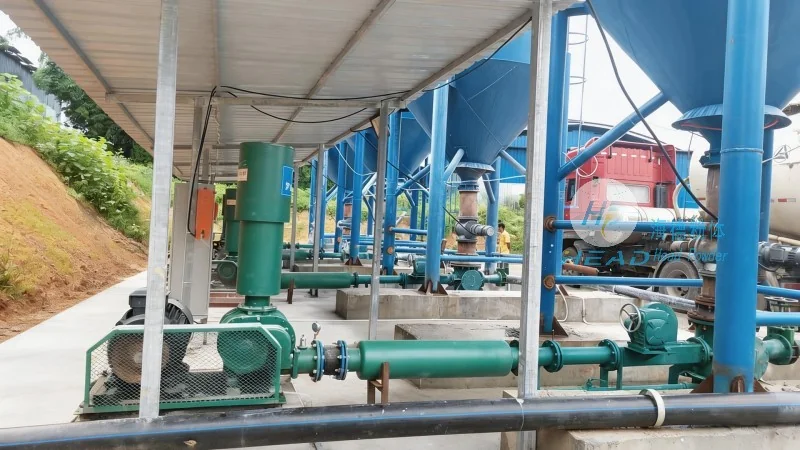
Understanding the Role of Pneumatic Conveying in Battery Material Handling
Pneumatic conveying systems are integral to the material handling processes in lithium-ion battery production facilities. These systems efficiently transport bulk materials such as lithium compounds, graphite, and other battery active materials from storage silos to processing equipment. The choice of a pneumatic conveying system is influenced by factors like material properties, plant layout, and production capacity. A well-designed system not only enhances operational efficiency but also minimizes material loss and ensures compliance with safety and environmental regulations.
Key Design Considerations for Lithium-Ion Battery Raw Material Conveying Systems
When designing a pneumatic conveying system for lithium-ion battery raw materials, several key factors must be addressed to achieve optimal performance. These include:
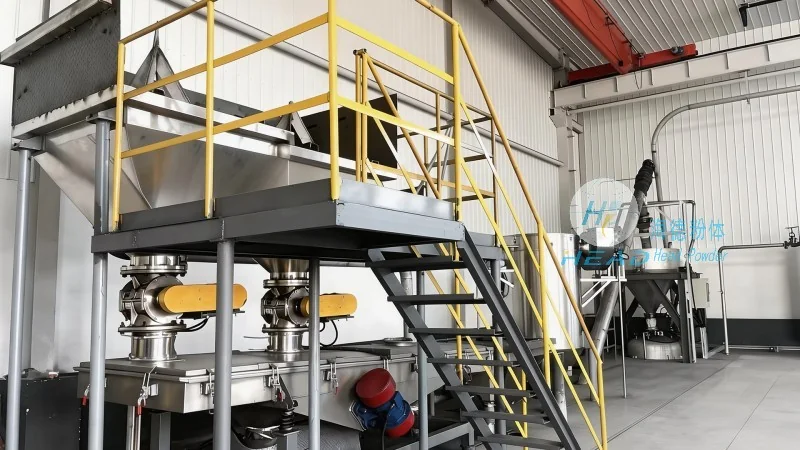
1. Material Characterization and Property Analysis
Accurate characterization of the raw materials is the foundation of an effective conveying system design. Properties such as particle size distribution, moisture content, bulk density, and flowability are critical. For example, lithium compounds often have fine particle sizes that can lead to issues like dust generation and blockages if not handled properly. Understanding these properties allows engineers to select the appropriate conveying technology—whether it be pressure or vacuum systems—and to design the system with components that can handle the specific material characteristics.
2. System Sizing and Capacity Planning
The capacity of the pneumatic conveying system must match the production requirements of the battery manufacturing plant. This involves calculating the required flow rate, which is determined by the throughput of raw materials and the processing speed of downstream equipment. Over-sizing or under-sizing the system can lead to inefficiencies, increased energy consumption, or even system failure. Engineers at HeadPowder use advanced computational fluid dynamics (CFD) and material flow analysis to accurately size the system, ensuring it meets current and future production demands.
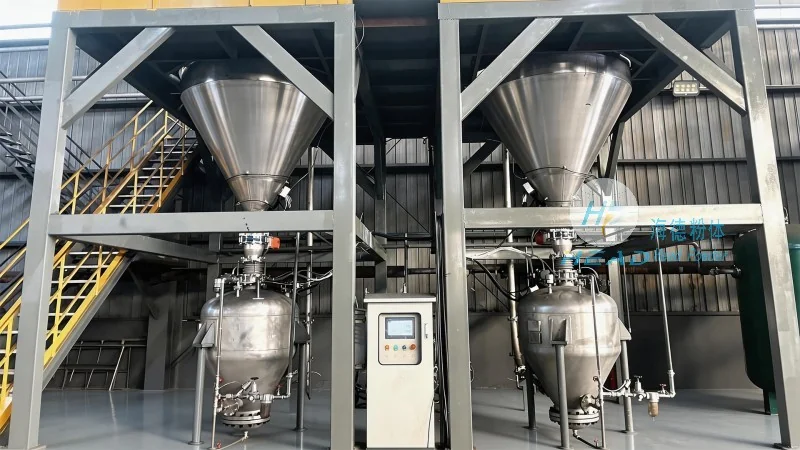
3. Pressure and Flow Control Mechanisms
Effective control of pressure and flow is essential for maintaining consistent material transport and preventing system downtime. This includes the selection of appropriate air compressors, pressure regulators, and flow meters. For lithium-ion battery materials, which may be sensitive to moisture or temperature changes, the system must be designed to maintain stable operating conditions. HeadPowder’s engineers integrate advanced control systems that monitor and adjust pressure and flow in real-time, ensuring smooth and reliable material transfer.
4. Equipment Selection and Integration
The selection of conveying equipment, such as feeders, hoppers, and pipelines, is critical to the system’s performance. For example, rotary feeders are commonly used for fine powders due to their ability to provide consistent material flow without causing blockages. The material of construction for these components is also important, as lithium-ion battery raw materials may be abrasive or corrosive. HeadPowder selects materials like stainless steel or specialized alloys that can withstand the wear and chemical exposure associated with these materials.
5. Safety and Environmental Compliance
Safety is a top priority in the design of any industrial system, especially for materials used in battery production. Pneumatic conveying systems must be designed to prevent dust explosions, which can occur with fine powders like lithium compounds. This involves implementing explosion-proof designs, proper grounding, and dust collection systems. Additionally, the system must comply with local environmental regulations regarding emissions and waste management. HeadPowder incorporates all necessary safety features and compliance measures to ensure the system operates safely and responsibly.
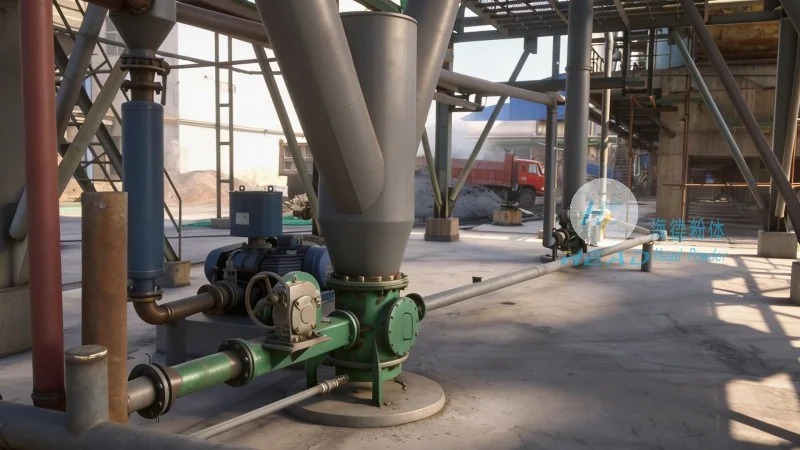
6. Maintenance and Operational Considerations
A well-designed system also considers ease of maintenance and operational flexibility. This includes features like easy access to components for cleaning and repair, and the ability to switch between different materials without significant downtime. HeadPowder’s systems are designed with modular components that can be easily replaced or upgraded, reducing long-term maintenance costs and extending the system’s lifespan.
Conclusion: The Importance of Expert Engineering in Pneumatic Conveying Systems
Designing a pneumatic conveying system for lithium-ion battery raw materials requires a deep understanding of both the material properties and the specific requirements of the battery manufacturing process. At HeadPowder, our team of experienced engineers applies rigorous engineering principles and industry best practices to develop customized solutions that meet the unique needs of each client. By focusing on material characterization, system sizing, pressure control, equipment selection, safety compliance, and maintenance, we ensure that our clients receive reliable, efficient, and cost-effective pneumatic conveying systems that support their production goals. For more information on our pneumatic conveying solutions for lithium-ion battery raw materials, please contact us at HeadPowder Engineering in Shandong, China.