

Introduction to the Sawdust and Wood Flour Powder Conveying System: Structure and Working Principle
This article provides an overview of the sawdust and wood flour powder conveying system, focusing on its structural design and operational principles. The system is engineered to efficiently handle fine powders such as sawdust and wood flour, which are commonly used in various industrial applications like particle board production, wood-based composites, and other wood processing industries. By understanding the system's components and how they work together, users can better appreciate its role in ensuring reliable and efficient material transport.
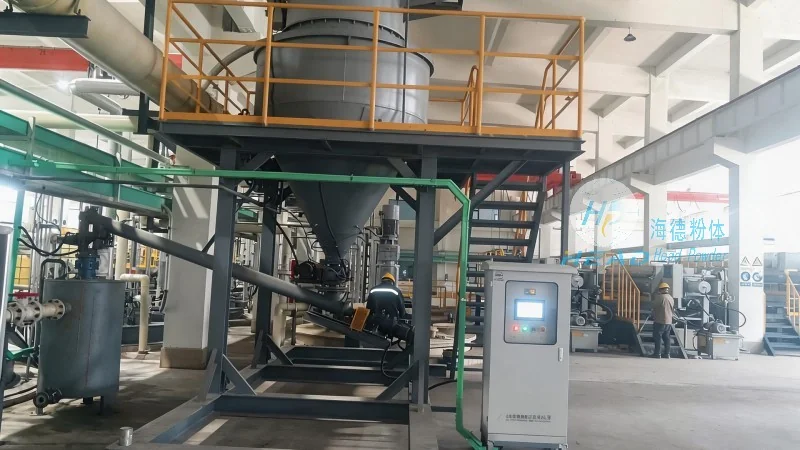
System Structure Overview
The sawdust and wood flour powder conveying system from Shandong HeadPowder Engineering Co., Ltd. is designed with a modular and robust structure to meet the demands of high-volume material handling. The core components include a hopper for material storage, a feeding mechanism to control the flow of powder, a conveyor system (such as a screw conveyor or pneumatic pipeline) for transporting the material, and a control unit to regulate the entire process. The hopper is typically made of durable materials like stainless steel or high-density polyethylene to prevent material degradation and ensure longevity. The feeding mechanism, often a rotary valve or a variable-speed feeder, allows for precise control over the material discharge rate, which is crucial for maintaining consistent conveying performance. The conveyor system, whether mechanical or pneumatic, is selected based on the specific characteristics of the sawdust and wood flour, such as particle size, moisture content, and bulk density. For example, a screw conveyor is suitable for dry, free-flowing powders, while a pneumatic system may be preferred for materials with higher moisture content or for long-distance transport. The control unit integrates sensors and automation technology to monitor key parameters like pressure, flow rate, and temperature, ensuring the system operates within optimal conditions. This integrated approach ensures that the system can handle varying material loads and maintain consistent performance over time.
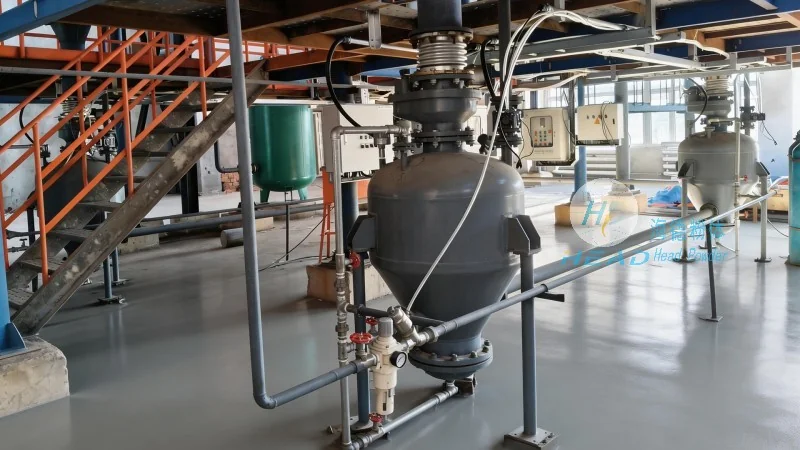
Working Principle and Technical Features
The operational principle of the sawdust and wood flour powder conveying system involves a series of coordinated steps to transport the material from the source to the destination. The process begins with the material being fed into the hopper from a storage silo or a processing unit. The feeding mechanism then regulates the flow of the powder into the conveyor system. In a mechanical conveyor setup, a rotating screw or auger pushes the material forward through the pipeline, creating a positive pressure that moves the powder. The speed of the screw or auger can be adjusted to control the conveying rate, which is essential for preventing material buildup or clogging. For pneumatic conveying systems, the material is carried by a stream of air under pressure, which is introduced into the pipeline through a blower or a compressor. The air flow rate and pressure are carefully controlled to ensure the material is transported efficiently without causing excessive wear on the system components. A key technical feature of this system is its ability to handle fine powders without significant segregation or degradation. The design of the hopper and the feeding mechanism minimizes the impact of the material on the system, reducing the risk of clumping or agglomeration. Additionally, the system incorporates features like vibration or agitation to maintain the flowability of the material, especially for sawdust and wood flour that may tend to settle or stick to surfaces. The control unit plays a critical role in maintaining the system's efficiency by continuously monitoring and adjusting the operational parameters. Sensors are used to detect the level of material in the hopper, the pressure in the conveyor line, and the flow rate of the material. Any deviations from the set parameters are automatically corrected by the control system, ensuring that the system operates smoothly and without interruptions. This automation not only improves the reliability of the conveying process but also reduces the need for manual intervention, making it suitable for continuous production environments.
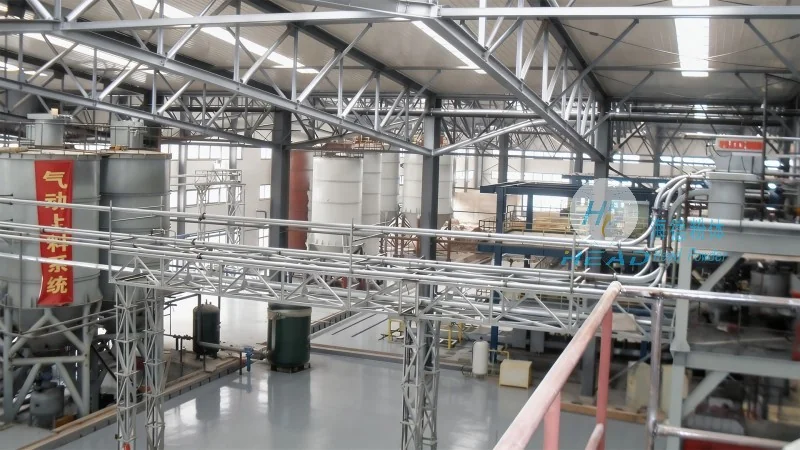
Applications and Benefits
The sawdust and wood flour powder conveying system is widely used in various industrial applications where the efficient transport of fine powders is critical. In the wood processing industry, it is commonly employed in the production of particle board, where sawdust and wood flour are mixed with resin and other additives to form the raw material for the board. The system ensures that the raw materials are conveyed uniformly and without contamination, which is essential for maintaining the quality of the final product. In other applications, such as the production of wood-based composites or wood pellets, the system helps in transporting the material to the processing units, where it is further processed into finished products. The benefits of using this system include improved productivity, reduced material loss, and enhanced safety. By efficiently conveying the material, the system reduces the time and labor required for manual handling, which can be hazardous, especially when dealing with fine powders that can cause respiratory issues or other health problems. The modular design of the system also allows for easy integration with existing production lines, minimizing the need for major modifications to the facility. Furthermore, the system's robust construction ensures long-term reliability, reducing maintenance costs and downtime. The use of durable materials and advanced automation technology makes it a cost-effective solution for industries that rely on consistent and high-quality material transport.