

Introduction to Lightweight Cement Powder Conveying Systems: Structure and Working Principles
HeadPowder, the abbreviation for Shandong HeadPowder Engineering Co., Ltd., is a professional manufacturer based in Shandong, China. The company specializes in the design, development, and production of advanced powder conveying systems, particularly those tailored for lightweight cement powders. This article provides an overview of the lightweight cement powder conveying system, detailing its structural components and operational principles.
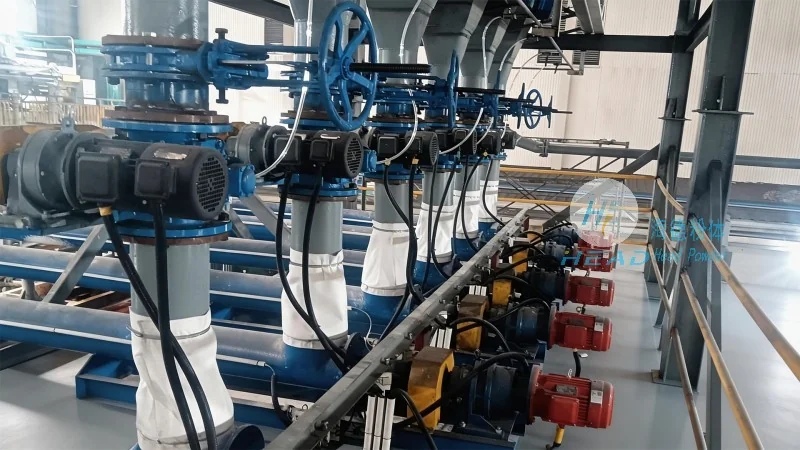
Company Profile and Core Business
Shandong HeadPowder Engineering Co., Ltd., commonly known as HeadPowder, is headquartered in Shandong Province, China. The company has established itself as a leading provider of powder handling solutions, focusing on systems that efficiently transport lightweight cement powders. Our expertise lies in creating customized conveying systems that meet the specific demands of various industrial applications, ensuring reliability, efficiency, and durability in powder transportation processes.
Overview of Lightweight Cement Powder Conveying Systems
Lightweight cement powder conveying systems are engineered to handle the unique characteristics of lightweight cement powders, which often include lower bulk density and specific flow properties compared to traditional cement. These systems are designed to ensure smooth and continuous material transport from storage silos or production lines to processing equipment, such as mixers or batching plants. The primary goal is to maintain the quality and integrity of the cement powder while minimizing material degradation and operational losses.
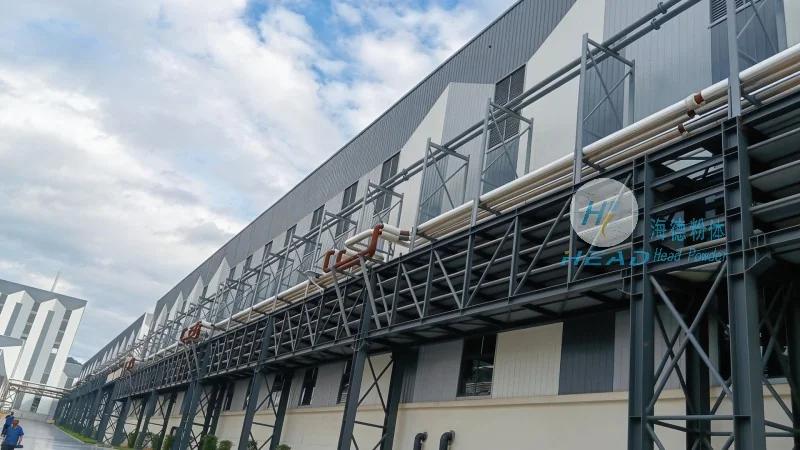
Structural Components of the Conveying System
The lightweight cement powder conveying system typically consists of several key components that work in tandem to achieve efficient material transport. These components include:

- Storage Silo or Hopper: This is the initial component where the lightweight cement powder is stored. The design of the silo or hopper is crucial to prevent material segregation and ensure uniform feeding. The structure often incorporates features like a conical bottom or a vibratory feeder to facilitate consistent material discharge.
- Vibratory Feeder: A vibratory feeder is commonly used to control the flow rate of the cement powder from the storage silo. It ensures a steady and adjustable feed rate, which is critical for maintaining the stability of the conveying system and preventing overloading or underloading of downstream equipment.
- Pneumatic Conveying Pipeline: The core of the system is the pneumatic conveying pipeline, which uses air pressure to transport the lightweight cement powder. This pipeline is typically made of high-quality materials, such as stainless steel or corrosion-resistant alloys, to withstand the abrasive nature of the cement powder and ensure long-term durability.
- Control Unit: The control unit is responsible for managing the entire conveying process. It monitors parameters such as air pressure, flow rate, and material level, and adjusts the system settings in real-time to optimize performance. Advanced control systems may also include sensors for detecting blockages or leaks, enhancing system safety and reliability.
- Receiving Hopper or Mixer: The final component of the system is the receiving hopper or mixer, where the lightweight cement powder is deposited after being conveyed. The design of this component is tailored to the specific requirements of the downstream process, ensuring that the material is evenly distributed and ready for further processing.
Working Principles of the Conveying System
The operation of the lightweight cement powder conveying system is based on the principle of pneumatic transport, where the material is suspended and transported by a stream of air within the pipeline. The process can be broken down into several stages:
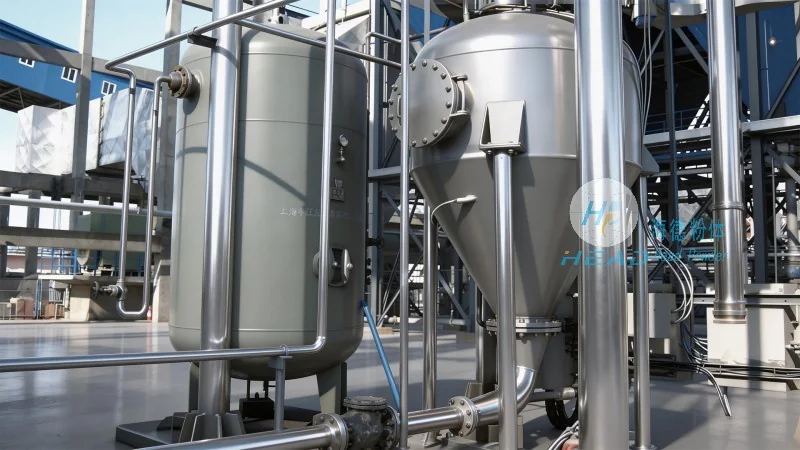
- Material Feeding: The lightweight cement powder is fed from the storage silo into the vibratory feeder at a controlled rate. The feeder ensures that the material flows smoothly into the conveying pipeline.
- Air Intake and Compression: Compressed air is introduced into the pipeline, creating a flow that lifts and transports the cement powder particles. The air pressure is carefully regulated to maintain the appropriate velocity for efficient transport without causing excessive wear on the pipeline or equipment.
- Pipeline Transport: The mixture of air and cement powder travels through the pipeline to the receiving hopper or mixer. The design of the pipeline, including bends and fittings, is optimized to minimize pressure loss and maintain consistent flow.
- Material Discharge: At the receiving end, the air and powder mixture is separated. The air is typically vented to the atmosphere, while the cement powder is collected in the hopper or mixer. The control unit may include a cyclone separator or other filtration equipment to ensure that no material is lost during the discharge process.
Advantages of Lightweight Cement Powder Conveying Systems
Implementing a lightweight cement powder conveying system offers several advantages for industrial applications:
- Efficiency and Cost-Effectiveness: These systems reduce labor costs associated with manual handling of cement powders and minimize material losses, leading to significant cost savings over time.
- Improved Material Quality: By maintaining a consistent flow and preventing segregation, the system ensures that the lightweight cement powder remains in optimal condition, which is crucial for maintaining the quality of the final product.
- Enhanced Safety: Automated conveying systems eliminate the need for manual handling, reducing the risk of dust exposure and other safety hazards associated with handling powders.
- Flexibility and Scalability: The systems can be customized to accommodate varying production volumes and can be scaled up or down as needed, making them suitable for both small-scale and large-scale industrial operations.
Conclusion
Shandong HeadPowder Engineering Co., Ltd. specializes in providing advanced lightweight cement powder conveying systems that combine efficient design with reliable performance. By understanding the structural components and working principles of these systems, industrial users can make informed decisions about implementing effective powder handling solutions. The company's commitment to quality and innovation ensures that its conveying systems meet the highest standards of performance and durability, supporting the needs of various industries that rely on lightweight cement powders.