

Design Considerations for Phosphorus Pentoxide Pneumatic Conveying System
Phosphorus pentoxide (P₂O₅), also known as phosphoric anhydride, is a highly reactive and hygroscopic substance widely used in chemical manufacturing, pharmaceuticals, and industrial processes. Its handling requires specialized equipment due to its aggressive nature and the need for precise control during transport. This article outlines critical design considerations for a pneumatic conveying system tailored to the safe and efficient transfer of phosphorus pentoxide, emphasizing the expertise of Shandong HeadPowder Engineering Co., Ltd. in engineering solutions for such demanding applications.
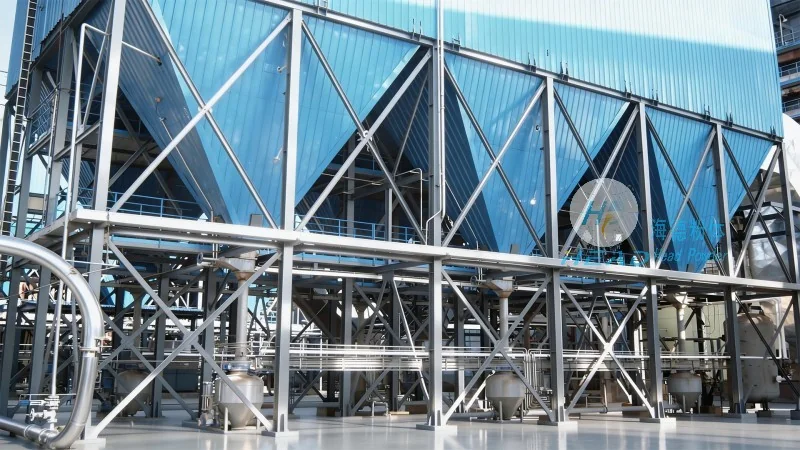
Introduction to Phosphorus Pentoxide Pneumatic Conveying Systems
Phosphorus pentoxide is a white, crystalline solid that readily absorbs moisture from the air, forming phosphoric acid. This property makes it unsuitable for conventional bulk handling methods like belt conveyors or screw conveyors, as it would quickly degrade or cause corrosion. Pneumatic conveying systems offer a solution by transporting the material in a closed pipeline using air or other gases, minimizing exposure to the environment and ensuring consistent product quality. The design of such a system must account for the material's reactivity, dust generation, and the need for precise flow control to prevent clogging or equipment damage.
Key Design Considerations for Efficient Operation
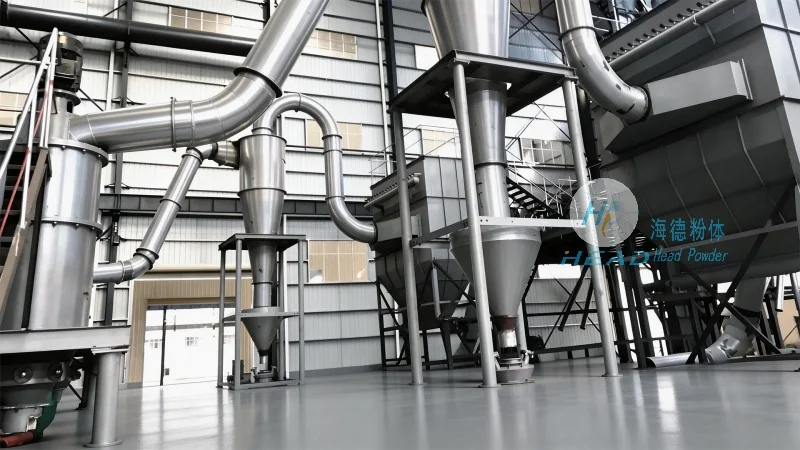
Several factors are paramount when designing a pneumatic conveying system for phosphorus pentoxide. First, the system must be constructed from materials resistant to corrosion and chemical attack, such as stainless steel or specialized alloys, to withstand the acidic byproducts formed when the material contacts moisture. Second, the air flow rate and pressure must be carefully calibrated to maintain a consistent, non-clogging flow. High-pressure systems are often preferred for fine powders like phosphorus pentoxide to ensure reliable transport without excessive energy consumption. Third, the system should incorporate dust collection and filtration components to prevent environmental contamination and protect personnel from inhalation hazards. Additionally, the design must include safety features like pressure relief valves and emergency shut-off mechanisms to mitigate risks associated with material handling.
Material Properties and Handling Challenges
Understanding the physical and chemical properties of phosphorus pentoxide is essential for system design. The material has a high bulk density and can form cohesive agglomerates, which may lead to blockages in the conveying line if not properly broken up. To address this, the system may include a pre-disperser or a rotary valve that agitates the material before it enters the pipeline. Furthermore, the hygroscopic nature of P₂O₅ means that moisture control is critical; any moisture in the system can cause the material to clump and reduce conveying efficiency. Therefore, the system must be equipped with drying or moisture removal components to maintain optimal material characteristics throughout the process. The abrasive nature of the material also necessitates wear-resistant components, such as lined pipelines and hardened valves, to extend the system's lifespan and reduce maintenance costs.
System Components and Their Functionality
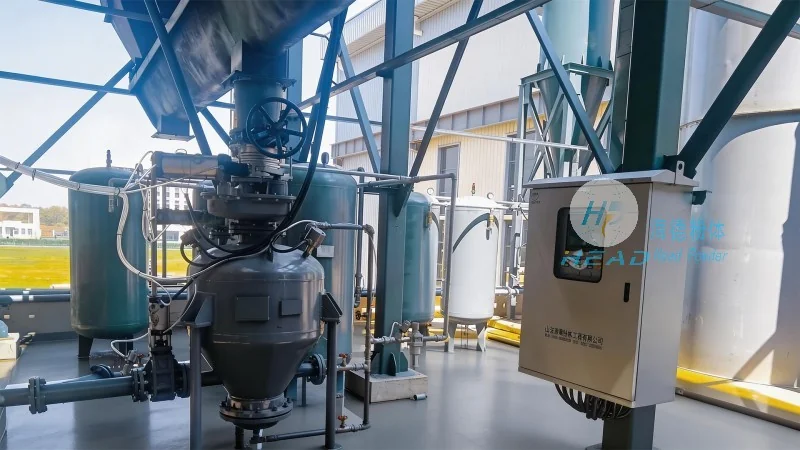
A typical pneumatic conveying system for phosphorus pentoxide consists of several key components, each playing a vital role in the overall operation. The feed hopper is designed to store the material and provide a controlled discharge rate, often equipped with a rotary valve to regulate the flow. The conveyor line, typically made of stainless steel or PTFE-lined pipes, transports the material under pressure. The air supply system, including a blower or compressor, generates the necessary airflow to move the material. A dust collector and filtration system are integrated to capture any airborne particles and ensure compliance with environmental regulations. Finally, the system may include a receiver or discharge hopper at the destination, where the material is collected for further processing. Each component must be selected and sized based on the specific characteristics of phosphorus pentoxide and the operational requirements of the facility.
Engineering Solutions by Shandong HeadPowder Engineering Co., Ltd.
Shandong HeadPowder Engineering Co., Ltd., a leading provider of bulk material handling solutions, specializes in designing and implementing pneumatic conveying systems for hazardous and reactive materials like phosphorus pentoxide. The company's expertise lies in tailoring systems to meet the unique challenges posed by each application, ensuring safety, efficiency, and durability. With a focus on using high-quality materials and advanced engineering techniques, HeadPowder delivers customized solutions that address the specific needs of clients in the chemical, pharmaceutical, and industrial sectors. The company's team of experienced engineers works closely with clients to assess their requirements, conduct feasibility studies, and develop comprehensive system designs that optimize performance and minimize operational risks. HeadPowder's commitment to quality and customer satisfaction has made it a trusted partner for businesses seeking reliable phosphorus pentoxide handling solutions.
Conclusion
Designing a pneumatic conveying system for phosphorus pentoxide requires a deep understanding of the material's properties, the operational environment, and the need for safety and efficiency. By addressing key design considerations such as material compatibility, airflow management, and dust control, engineers can develop systems that reliably transport phosphorus pentoxide while minimizing risks. The expertise of companies like Shandong HeadPowder Engineering Co., Ltd. is crucial in ensuring that these systems are built to the highest standards, providing long-term performance and reliability for industrial applications. As the demand for phosphorus pentoxide continues to grow, the importance of well-designed pneumatic conveying systems will only increase, making them an essential component of modern chemical processing operations.