

Design Considerations for Phosphorus Pentachloride Pneumatic Conveying Systems
Phosphorus pentachloride (PCl5) is a highly reactive and corrosive chemical, making its handling and transportation critical for industrial applications. The design of a pneumatic conveying system for PCl5 requires meticulous attention to safety, efficiency, and material compatibility. This article outlines key design considerations for developing an effective PCl5 pneumatic conveying system, presented by Shandong HeadPowder Engineering Co., Ltd., a leading engineering firm based in Shandong, China.
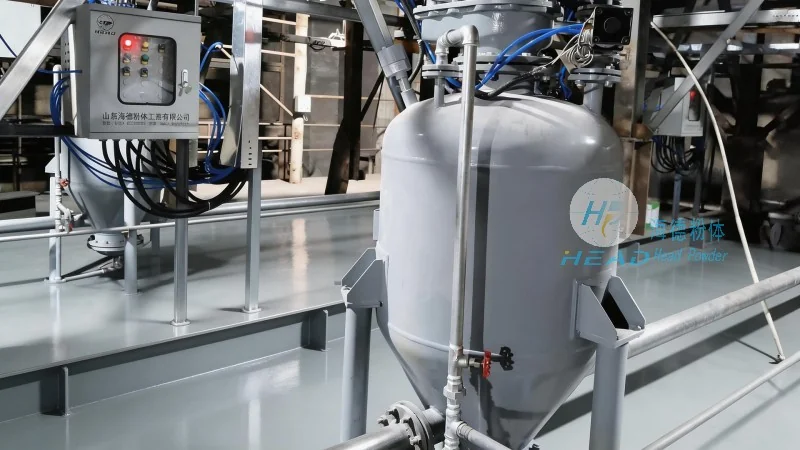
System Overview and Core Components
A pneumatic conveying system for PCl5 typically consists of several essential components, including a feed hopper, a rotary valve, a conveying line, a receiver, and a dust collection system. The feed hopper is designed to store and meter the PCl5, ensuring a consistent flow rate. The rotary valve acts as a controlled discharge mechanism, preventing backflow and maintaining system pressure. The conveying line, often made of corrosion-resistant materials such as PTFE or stainless steel, transports the PCl5 particles through the system. The receiver collects the material at the destination, while the dust collection system ensures compliance with environmental regulations and maintains air quality.
Material Selection and Corrosion Resistance
Given PCl5's aggressive nature, selecting appropriate materials for all system components is paramount. The feed hopper, rotary valve, and conveying line must be constructed from materials that can withstand chemical attack and mechanical stress. Common choices include Hastelloy, titanium, or specialized PTFE-lined components. These materials prevent degradation and ensure the system's longevity. Additionally, the system's design incorporates features like internal linings and protective coatings to further enhance durability and reduce maintenance costs.
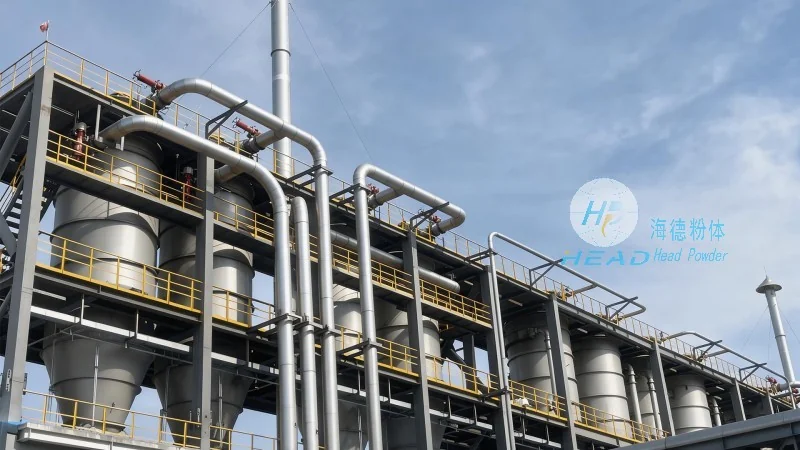
Pressure and Flow Control Mechanisms
Effective control of pressure and flow is crucial for maintaining system stability and preventing material blockages. The system utilizes a combination of positive and negative pressure zones to manage the movement of PCl5 particles. A positive pressure system, where air is blown through the conveying line, is often preferred for its ability to handle fine powders and minimize dust generation. The flow rate is regulated using variable speed drives and pressure sensors, allowing for precise control based on the material's properties and system requirements. This control ensures consistent performance and reduces the risk of system downtime.
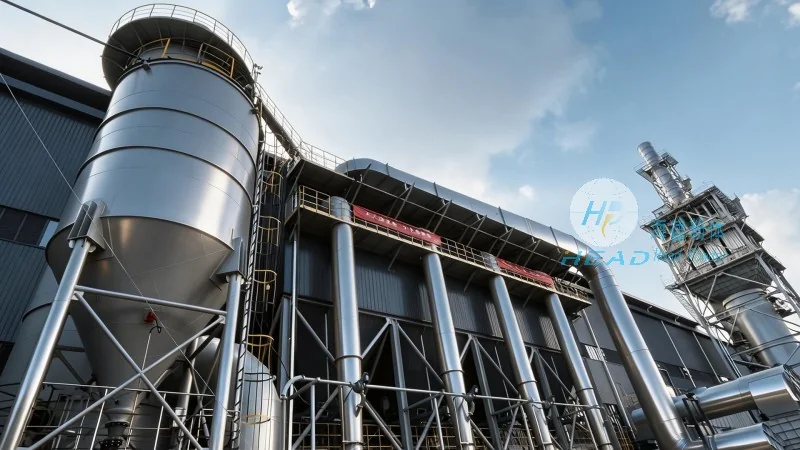
Safety and Environmental Considerations
Due to PCl5's hazardous properties, stringent safety measures are integrated into the system design. The system includes explosion-proof components, pressure relief valves, and emergency shutdown systems to mitigate risks. Additionally, the dust collection system is equipped with filtration and scrubbing mechanisms to capture any airborne particles, preventing environmental contamination and ensuring workplace safety. Regular maintenance and monitoring protocols are also implemented to identify and address potential hazards before they escalate.
Integration and Scalability
The design of the PCl5 pneumatic conveying system is modular and scalable, allowing for adaptation to varying production needs. The system can be expanded or modified to accommodate changes in material volume or processing requirements. Integration with existing industrial infrastructure is seamless, minimizing disruption during installation and operation. This flexibility ensures that the system remains efficient and cost-effective over its operational life.