

Design Considerations for PVC Pneumatic Conveying System Solutions
Shandong HeadPowder Engineering Co., Ltd., a leading provider in the field of material handling solutions, specializes in the design and implementation of efficient PVC pneumatic conveying systems. With a focus on precision engineering and client-specific requirements, the company delivers tailored solutions that optimize material transport processes across various industrial applications.
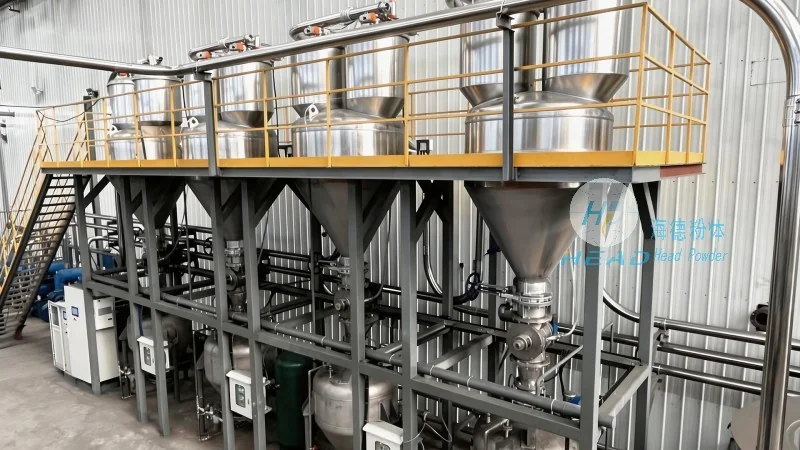
Key Design Considerations for PVC Pneumatic Conveying Systems
When designing a PVC pneumatic conveying system, several critical factors must be addressed to ensure optimal performance, reliability, and longevity. These considerations encompass system selection, material properties, operational parameters, and environmental conditions. A thorough understanding of these elements is essential for developing a system that meets the unique demands of each project.
System Selection and Configuration
The first step in the design process involves selecting the appropriate type of pneumatic conveying system based on the material characteristics and process requirements. For PVC, which is commonly used in the chemical, pharmaceutical, and plastic industries, positive pressure systems are often preferred due to their ability to handle abrasive or sticky materials effectively. The configuration may include a combination of components such as a blower, hopper, conveyor line, and discharge unit, all of which must be sized and integrated to achieve seamless material flow.

Material Properties and Handling Requirements
PVC particles exhibit specific properties that influence system design. Factors like particle size distribution, density, moisture content, and flowability are crucial in determining the system's design. For instance, fine or powdery PVC may require a higher air velocity to prevent clogging, while larger pellets might necessitate a lower velocity to avoid excessive wear on components. Additionally, the presence of moisture can affect the material's handling characteristics, requiring measures such as drying or moisture control to maintain system efficiency.
Operational Parameters and Performance Optimization
Operational parameters, including air pressure, flow rate, and system capacity, are carefully calculated to ensure the system operates within safe and efficient limits. The design must account for variations in material feed rates, ensuring that the system can handle fluctuations without compromising performance. Performance optimization also involves regular maintenance and monitoring to detect potential issues early, thereby reducing downtime and extending the system's service life.
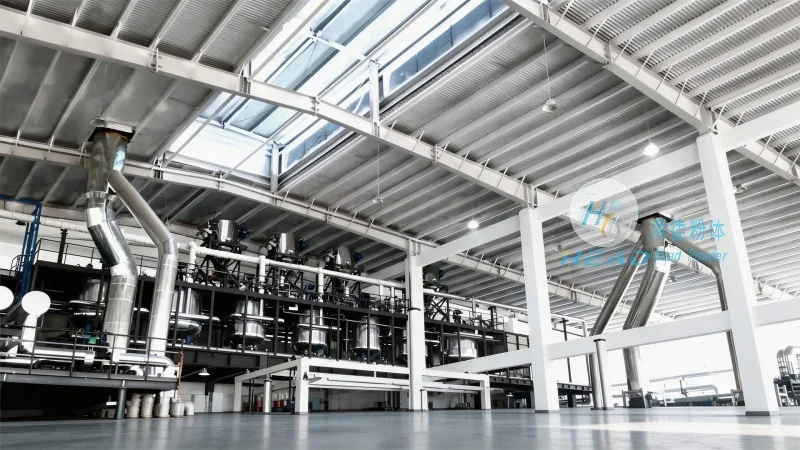
Component Selection and Integration
Key components in a PVC pneumatic conveying system, such as the blower, hopper, and conveyor line, are selected based on their compatibility with PVC and the system's operational demands. The blower must be capable of generating sufficient air pressure to transport the material over the required distance, while the hopper and discharge unit must be designed to prevent material buildup and ensure smooth discharge. Proper integration of these components is vital to maintain system efficiency and minimize energy consumption.
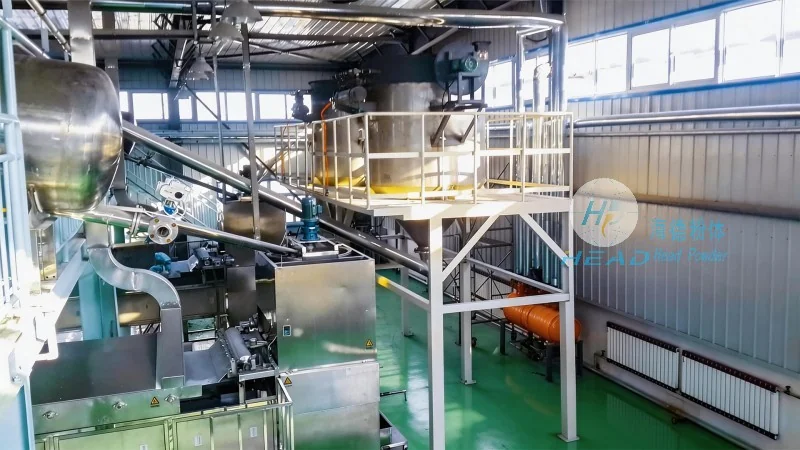
Installation and Commissioning Considerations
Proper installation and commissioning are critical to the successful operation of a PVC pneumatic conveying system. The system must be installed in a manner that allows for easy access to components for maintenance and cleaning. Commissioning involves thorough testing to verify that all components are functioning as intended, and that the system meets the specified performance criteria. This process ensures that the system operates reliably and efficiently from the outset.
Maintenance and Long-Term Performance
Regular maintenance is essential to maintain the performance and longevity of a PVC pneumatic conveying system. This includes routine checks of component wear, cleaning of the system to prevent material buildup, and monitoring of operational parameters. By adhering to a comprehensive maintenance schedule, the system can continue to operate at optimal levels, reducing the risk of breakdowns and extending its service life. Shandong HeadPowder Engineering Co., Ltd. provides ongoing support and maintenance services to ensure that clients' systems remain in peak condition.