

Key Design Considerations for Tri-metal Material Pneumatic Conveying System Solutions
Tri-metal materials, such as lithium cobalt oxide (LCO), lithium iron phosphate (LFP), and lithium nickel manganese cobalt oxide (NMC), are critical components in modern battery production. The efficient and reliable transportation of these materials is essential for maintaining production line throughput and ensuring product quality. This article outlines key design considerations for pneumatic conveying systems tailored to handle tri-metal materials, with a focus on practical solutions from Shandong HeadPowder Engineering Co., Ltd., a leading provider in the field.
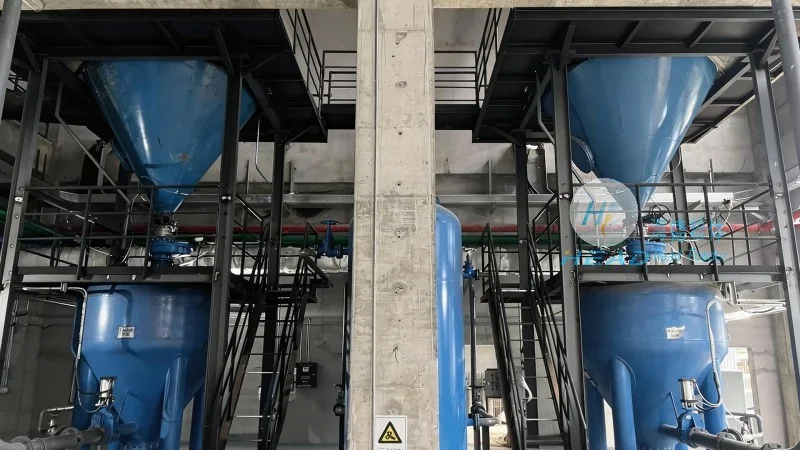
Understanding the Importance of System Design for Tri-metal Materials
The design of a pneumatic conveying system for tri-metal materials must account for several unique challenges. These materials often have fine particle sizes, varying densities, and can be hygroscopic or reactive under certain conditions. A well-designed system ensures stable flow, minimizes material degradation, and optimizes energy consumption. HeadPowder, based in Shandong, China, specializes in engineering solutions that address these challenges through meticulous system analysis and tailored component selection.
Key Design Considerations for Pneumatic Conveying Systems
Several critical factors must be considered when designing a pneumatic conveying system for tri-metal materials. First, the choice of conveying method—whether dilute phase or dense phase—depends on the material's properties and the required distance. Dilute phase systems are suitable for long-distance transport with high throughput, while dense phase systems offer gentler handling, reducing particle breakage and maintaining material integrity. HeadPowder engineers evaluate these factors to recommend the most efficient configuration for each application.
Second, the selection of air handling equipment, including blowers and filters, is paramount. High-efficiency blowers provide the necessary pressure and airflow to move fine particles without clogging. Advanced filtration systems are essential to protect downstream equipment and comply with environmental regulations. HeadPowder's expertise in air system design ensures optimal performance and longevity of these components.
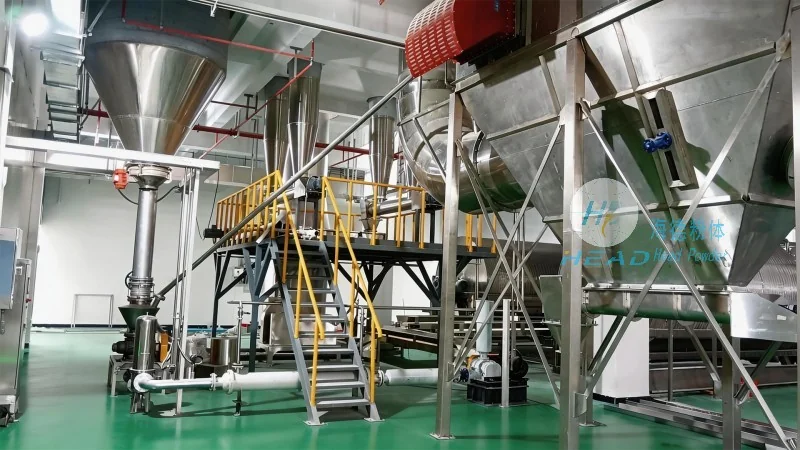
Third, material handling equipment, such as feeders and silos, must be designed to handle the specific characteristics of tri-metal powders. Proper feeding mechanisms prevent bridging and agglomeration, which can disrupt system flow. HeadPowder utilizes specialized equipment, such as rotary valves and screw feeders, to ensure consistent material feed and minimize downtime.
System Integration and Customization
Tri-metal material pneumatic conveying systems often require integration with existing production lines. HeadPowder's engineering team works closely with clients to integrate new systems with current infrastructure, ensuring seamless operation and minimal disruption. Customization is a key strength of HeadPowder; each system is tailored to the specific needs of the client, including material flow rates, distance, and environmental constraints. This approach ensures that the final solution is not only efficient but also cost-effective and scalable.
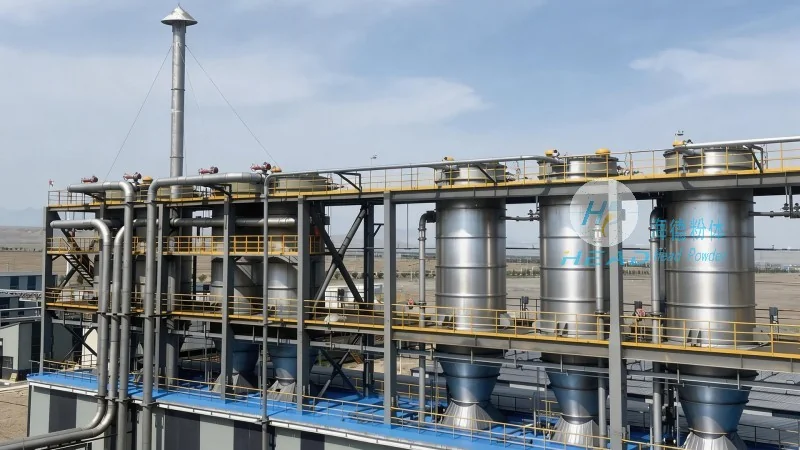
Technical Advantages and Performance Metrics
HeadPowder's pneumatic conveying systems for tri-metal materials offer several technical advantages. These include high material recovery rates, reduced dust emissions, and lower energy consumption compared to traditional methods like bucket elevators or belt conveyors. The systems are designed to minimize particle attrition, which is critical for maintaining the chemical properties of the materials. Performance metrics, such as throughput capacity and system efficiency, are regularly monitored and optimized to meet or exceed industry standards.
Application Examples and Case Studies
HeadPowder has successfully implemented tri-metal material pneumatic conveying systems in various battery manufacturing facilities. For instance, a client in Shandong required a system to transport LFP powders over a distance of 200 meters with a throughput of 10 tons per hour. HeadPowder designed a dilute phase system with a high-efficiency blower and advanced filtration, achieving the required throughput while maintaining material quality. Another project involved a dense phase system for transporting NMC powders in a pharmaceutical-grade environment, where dust control and material purity were paramount. HeadPowder's solutions have consistently delivered reliable performance and satisfied client expectations.
Conclusion and Contact Information
Designing an effective pneumatic conveying system for tri-metal materials requires a deep understanding of material properties, system dynamics, and operational requirements. Shandong HeadPowder Engineering Co., Ltd. leverages its expertise and experience to provide customized solutions that address the unique challenges of handling these critical materials. By focusing on system integration, component optimization, and performance enhancement, HeadPowder ensures that its clients achieve efficient, reliable, and cost-effective material transportation. For more information on tri-metal material pneumatic conveying system solutions, please contact HeadPowder at their Shandong headquarters.