

Technical Parameters and Conveying System Process of Polyvinylidene Fluoride (PVDF)
Polyvinylidene fluoride (PVDF) is a high-performance fluoropolymer recognized for its exceptional chemical resistance, thermal stability, and mechanical strength. These attributes make PVDF a preferred material in industrial applications, especially where exposure to aggressive chemicals and harsh operational conditions is prevalent. A thorough understanding of PVDF's technical parameters and the design of efficient conveying systems is essential for optimizing performance and ensuring the longevity of processing equipment.
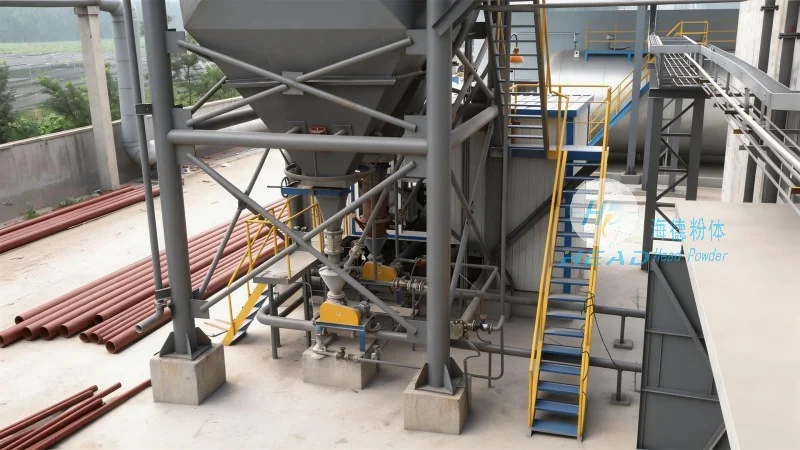
Key Technical Parameters of PVDF
Several critical technical parameters define the performance characteristics of PVDF materials used in industrial settings. The material's density typically ranges from 1.75 to 1.79 g/cm³, contributing to its robust structural integrity. The glass transition temperature (Tg) of PVDF is approximately 165°C, indicating its ability to maintain mechanical properties even under elevated temperatures. Additionally, its coefficient of thermal expansion is relatively low, around 80-110 × 10⁻⁶/°C, which minimizes dimensional changes during thermal cycling. The chemical resistance of PVDF is another standout feature, as it exhibits high resistance to acids, bases, and solvents, making it suitable for handling aggressive media in processing systems.
Conveying System Design for PVDF Handling
The design of a conveying system for PVDF must address several unique challenges due to the material's properties. PVDF powders and granules are often abrasive and can generate static electricity, which requires careful consideration in system design. To mitigate these issues, conveying systems typically incorporate anti-static measures, such as grounding and conductive components, to prevent material buildup and ensure safe operation. The choice of conveyor type, whether pneumatic or mechanical, depends on the specific application requirements. Pneumatic conveying systems are often preferred for handling fine PVDF powders, as they can transport materials over longer distances with minimal degradation. Mechanical conveyors, like screw conveyors or belt conveyors, are suitable for bulk handling of granules, offering high efficiency and reliability.
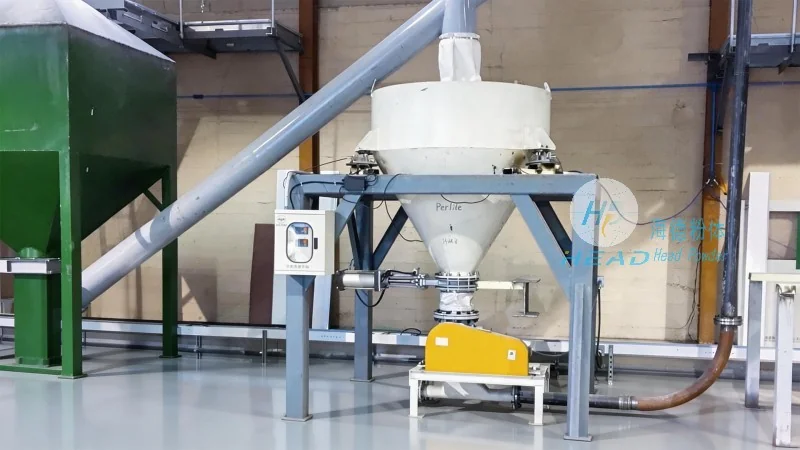
Process Integration and System Optimization
Integrating PVDF conveying systems into larger industrial processes requires careful planning to ensure seamless operation. The system design must consider factors such as material flow rates, pressure drops, and energy consumption to optimize overall performance. For example, in chemical processing plants, PVDF may be used to transport corrosive liquids or powders, and the conveying system must be designed to withstand these conditions without degradation. Regular maintenance and monitoring of the conveying system are essential to prevent issues like blockages or material degradation, which can impact production efficiency. By addressing these factors, industrial facilities can achieve reliable and efficient handling of PVDF materials, maximizing operational uptime and minimizing downtime.
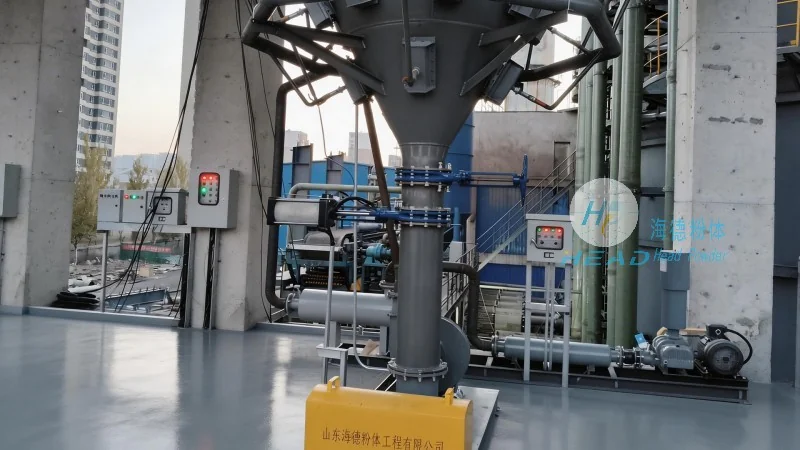
Company Profile: Shandong HeadPowder Engineering Co., Ltd.
Shandong HeadPowder Engineering Co., Ltd., operating under the brand name headpowder, is a leading provider of engineering solutions for material handling and processing systems. With a focus on innovation and quality, the company specializes in designing and manufacturing conveying systems tailored to the unique needs of industries that utilize PVDF and other high-performance materials. HeadPowder's expertise in material science and process engineering enables them to deliver customized solutions that enhance operational efficiency and ensure product integrity. The company's facilities are located in Shandong, China, where it leverages advanced manufacturing capabilities to produce reliable and durable equipment for global markets.
Conclusion
In summary, the technical parameters of polyvinylidene fluoride and the design of effective conveying systems are critical for successful industrial applications. By understanding the material's properties and implementing appropriate system designs, industries can achieve optimal performance and reliability. Shandong HeadPowder Engineering Co., Ltd. plays a vital role in providing the engineering expertise and equipment necessary to support these applications, contributing to the advancement of industrial processing technologies.