

Technical Parameters and Transport System Process of Dry Desulfurizer
For industrial applications requiring efficient sulfur removal, the selection of appropriate dry desulfurizer technology is crucial. This document provides an overview of key technical parameters and the associated transport systems designed by Shandong HeadPowder Engineering Co., Ltd., a leading provider in the field. The company, commonly known as HeadPowder, specializes in developing and implementing advanced desulfurization solutions tailored to meet diverse industrial needs.
Company Overview and Expertise
Shandong HeadPowder Engineering Co., Ltd. (HeadPowder) is headquartered in Shandong, China. With a strong focus on innovation and quality, HeadPowder has established itself as a trusted partner for industries seeking reliable dry desulfurization technologies. The company's team of experts combines extensive experience in chemical engineering and environmental technology to deliver customized solutions that enhance operational efficiency and environmental compliance.
Key Technical Parameters of Dry Desulfurizer
The performance of dry desulfurizer systems is determined by several critical technical parameters that ensure optimal sulfur capture and system reliability. These parameters include but are not limited to:
- Desulfurization Efficiency: Measured by the percentage of sulfur dioxide (SO₂) removed from flue gases. Advanced formulations and reactor designs enable high removal rates, often exceeding 95% under typical operating conditions.
- Chemical Stability: The desulfurizer's resistance to moisture, temperature fluctuations, and chemical degradation is essential for long-term performance. High-quality raw materials and proper formulation enhance stability, reducing the need for frequent regeneration or replacement.
- Particle Size Distribution: The size and distribution of desulfurizer particles directly impact the contact area between the sorbent and flue gas, influencing reaction kinetics. Uniform particle sizes ensure consistent performance and minimize pressure drop in the transport system.
- Moisture Content: The inherent moisture level in the desulfurizer affects its reactivity and the overall system's energy consumption. Low moisture content is preferred to maintain high desulfurization efficiency and reduce the risk of sludge formation.
- Regeneration Capability: For systems requiring regeneration, parameters such as the regeneration temperature, pressure, and time are critical. Efficient regeneration processes minimize downtime and operational costs, extending the service life of the desulfurizer.
Transport System Design and Integration
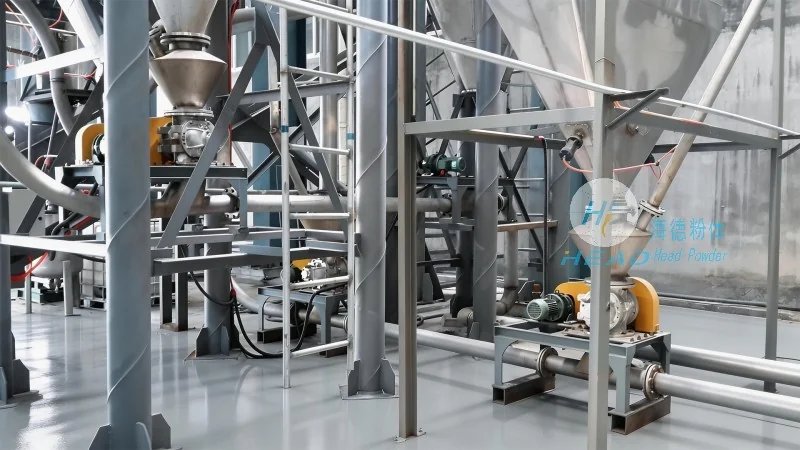
The transport system is a vital component of the dry desulfurizer process, responsible for delivering the desulfurizer from storage to the reaction zone and managing spent material removal. HeadPowder's transport systems are engineered to ensure smooth, continuous operation with minimal downtime. Key aspects of the system include:
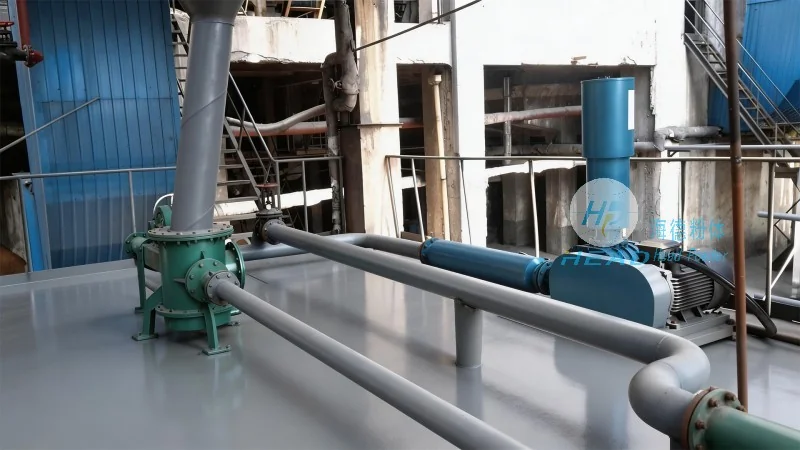
- Pneumatic Conveying: Utilizing air or other gases to transport desulfurizer particles, this method offers high efficiency and flexibility. The system includes components such as feeders, pipelines, and cyclones to ensure reliable material transport.
- Pressure and Flow Control: Precise control of pressure and flow rates is essential to maintain consistent particle velocity and prevent blockages. Advanced control systems monitor and adjust parameters in real-time, optimizing system performance.
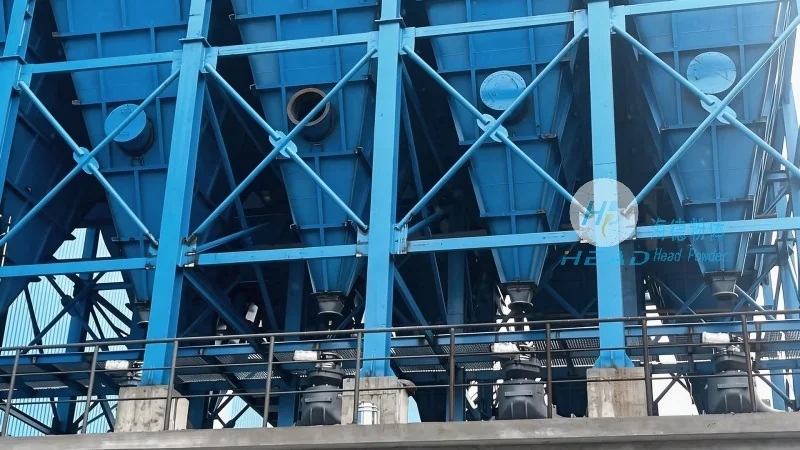
- Material Handling and Storage: The transport system integrates with storage silos and hoppers to ensure a steady supply of fresh desulfurizer. Proper storage conditions, such as moisture control and temperature regulation, are maintained to preserve the material's quality.
- Spent Material Management: After the desulfurizer has captured sulfur, the spent material is transported to disposal or regeneration facilities. The system includes mechanisms to separate spent material from unreacted sorbent, ensuring efficient recovery and disposal.
Application and Operational Benefits
Dry desulfurizer systems, when combined with optimized transport systems, offer several advantages for industrial applications. These include:
- High Efficiency and Reliability: The combination of advanced desulfurizer formulations and efficient transport systems ensures consistent performance, even under varying operating conditions.
- Low Maintenance and Operational Costs: Proper design and integration reduce the need for frequent maintenance and minimize energy consumption, leading to lower long-term operational costs.
- Environmental Compliance: By effectively removing sulfur compounds from flue gases, the system helps industries meet stringent environmental regulations, reducing the risk of penalties and enhancing corporate social responsibility.
- Customization and Scalability: HeadPowder's solutions are tailored to specific industrial requirements, with options for different scales and configurations to accommodate varying production capacities.
Conclusion
Shandong HeadPowder Engineering Co., Ltd. provides comprehensive solutions for dry desulfurizer systems, including detailed technical parameters and robust transport systems. With a focus on quality, innovation, and customer satisfaction, HeadPowder is committed to delivering reliable and efficient desulfurization technologies that meet the evolving needs of industries worldwide.