

Technical Parameters and Transport System Process of Anhydrous Sodium Sulfate
HeadPowder, a leading enterprise in the chemical engineering sector, specializes in the production and supply of industrial chemicals, including anhydrous sodium sulfate. This article provides a detailed overview of the technical parameters of anhydrous sodium sulfate and the key aspects of its transport system process, aimed at helping clients understand the product's characteristics and the efficient methods for its handling and delivery.
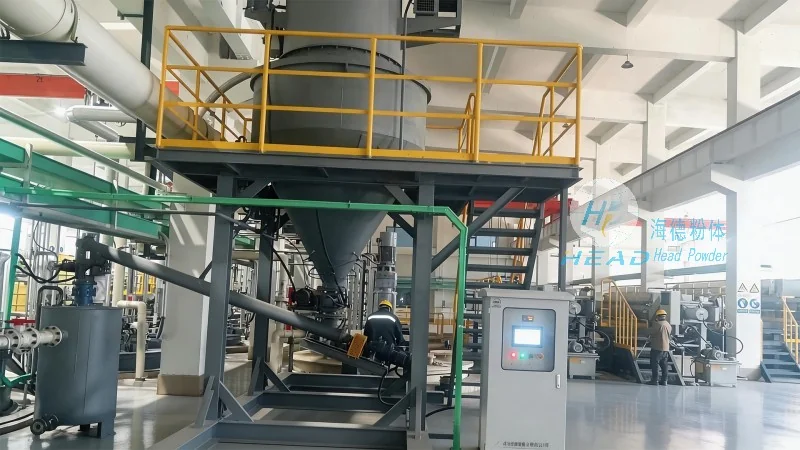
Anhydrous Sodium Sulfate: Product Overview and Key Technical Parameters
Anhydrous sodium sulfate, also known as sodium sulfate anhydrous, is a white crystalline powder widely used in various industrial applications such as glass manufacturing, paper production, and as a drying agent in chemical processes. The technical parameters of this chemical are crucial for ensuring its proper use and safety in industrial settings. Key characteristics include a melting point of approximately 884°C, a density of about 2.66 g/cm³, and a solubility that increases with temperature, typically around 47.7 g per 100 mL of water at 20°C. These properties affect how the material behaves during storage, handling, and transportation, making it essential to adhere to specific guidelines for its management.

Transport System Process: Equipment and Operational Considerations
The transport system for anhydrous sodium sulfate involves a series of steps designed to ensure the material is moved safely and efficiently from storage to its final destination. The process typically begins with bulk storage in silos or storage tanks, where the material is kept under controlled conditions to prevent moisture absorption, as anhydrous sodium sulfate is hygroscopic and can absorb water from the air. From the storage facility, the material is transferred to transport equipment such as bulk trucks or railcars, which are equipped with appropriate containment systems to prevent spillage and contamination. The use of sealed containers and proper loading techniques is critical to maintain the purity and integrity of the product during transit. Additionally, the transport system may include intermediate handling equipment like conveyor belts or pneumatic conveying systems, which are used to move the material between storage and processing facilities. These systems are designed to minimize dust generation and ensure a smooth flow of the material, reducing the risk of accidents and improving operational efficiency.
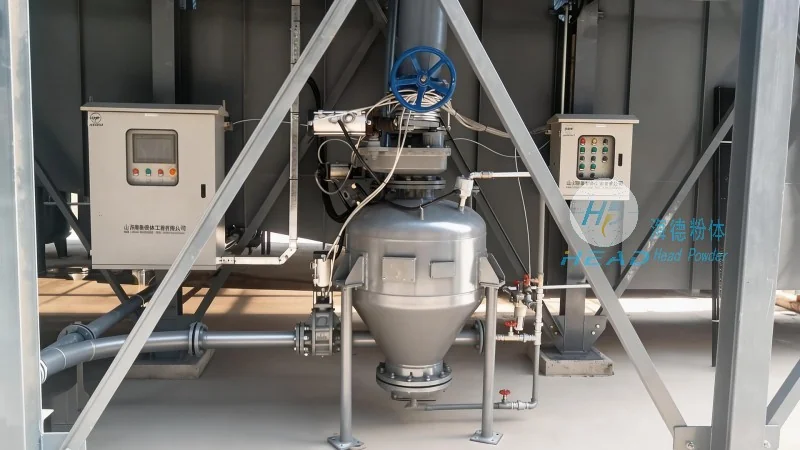
Company Information: Shandong HeadPowder Engineering Co., Ltd.
HeadPowder, with its headquarters in Shandong, China, is committed to providing high-quality industrial chemicals and engineering solutions. The company's expertise in chemical processing and material handling ensures that clients receive products that meet stringent technical standards and are delivered through reliable transport systems. By adhering to industry best practices and maintaining strict quality control measures, HeadPowder delivers anhydrous sodium sulfate that is consistent in quality and suitable for a wide range of industrial applications. The company's location in Shandong provides a strategic advantage in terms of logistics and supply chain management, enabling efficient distribution to clients across the region and beyond.