

[LITHIUM-ION BATTERY POWDER TECHNICAL PARAMETERS AND CONVEYING SYSTEM PROCESS]
Understanding the technical parameters of lithium-ion battery powders and the corresponding conveying system processes is crucial for optimizing production efficiency and ensuring product quality in the battery manufacturing industry. This document provides a detailed overview of the key technical aspects and the operational processes involved in the conveying systems for lithium-ion battery powders, tailored for professionals in the battery production sector.
Key Technical Parameters of Lithium-Ion Battery Powders
The performance of lithium-ion batteries is directly influenced by the quality and characteristics of the raw powder materials used. Several critical technical parameters must be considered when evaluating lithium-ion battery powders, including particle size distribution, bulk density, moisture content, and chemical composition. Particle size distribution affects the battery's energy density and cycle life, while bulk density impacts material handling and storage efficiency. Moisture content is a critical factor to prevent degradation of the powder and ensure consistent battery performance. Chemical composition, such as the purity of active materials like lithium cobalt oxide (LiCoO₂), lithium nickel manganese cobalt oxide (NMC), or lithium iron phosphate (LFP), directly determines the battery's voltage, capacity, and safety features. These parameters are meticulously controlled during the production process to meet industry standards and customer specifications. For instance, fine particle sizes in cathode materials can enhance the electrode's surface area, improving charge and discharge rates, but may also increase the risk of agglomeration if not properly managed. Bulk density, typically measured in kg/m³, influences the volume of material that can be stored and transported, affecting overall production throughput. Moisture content is strictly monitored to avoid hydrolysis of the active materials, which could lead to performance degradation or safety hazards. Chemical purity is often verified through methods like X-ray diffraction (XRD) and inductively coupled plasma mass spectrometry (ICP-MS) to ensure the material meets the required specifications for battery performance and regulatory compliance.
Conveying System Process for Lithium-Ion Battery Powders
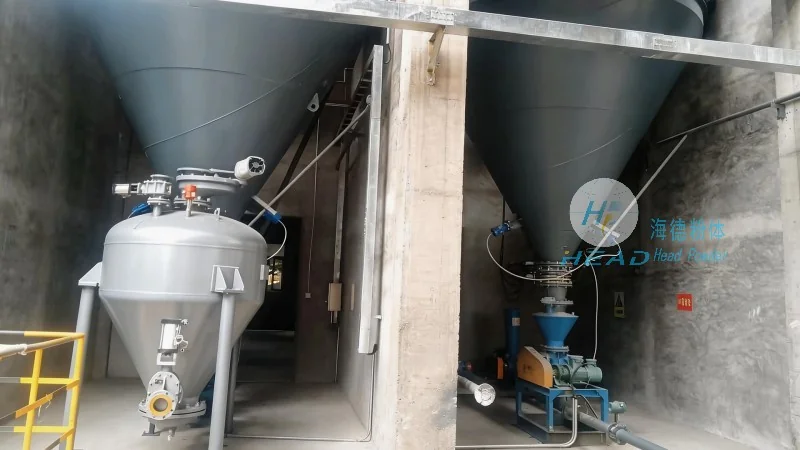
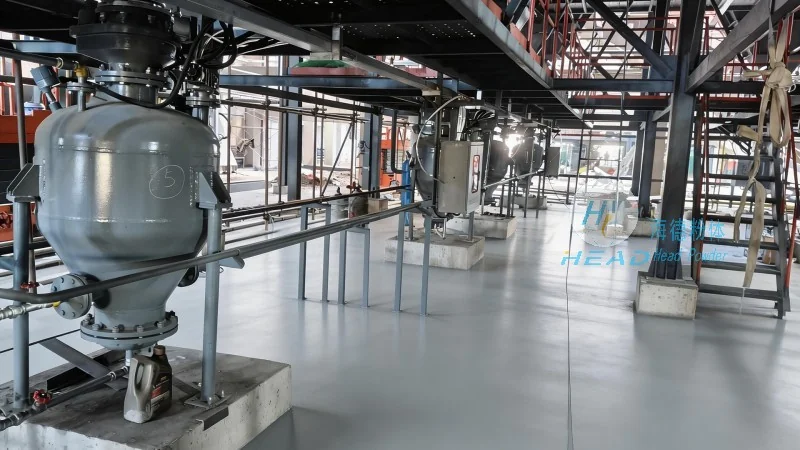
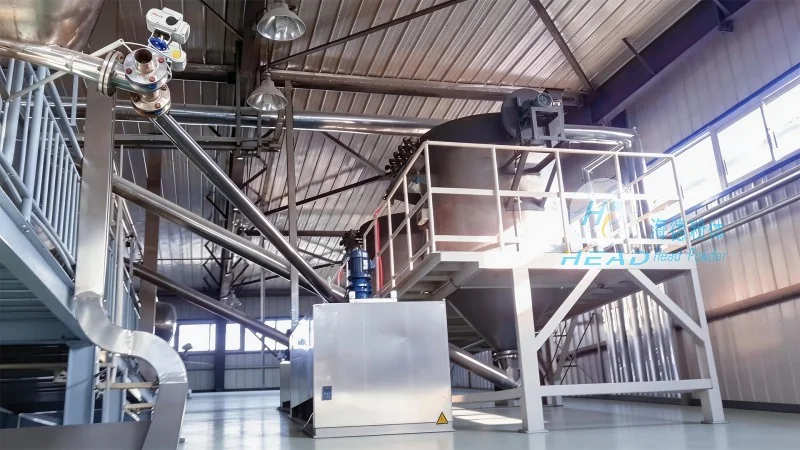
The conveying system for lithium-ion battery powders plays a vital role in the material handling and processing stages of battery production. Efficient and reliable conveying systems ensure that raw powders are transported from storage to processing equipment without degradation or contamination. Common conveying methods include pneumatic conveying, screw conveyors, and bucket elevators, each with specific applications based on the powder characteristics and production scale. Pneumatic conveying systems are widely used for fine powders due to their ability to handle high volumes and maintain low dust levels. These systems use compressed air to transport the powder through pipelines, which is ideal for materials that are prone to dusting or require a dust-free environment. Screw conveyors are suitable for bulk materials and provide a continuous flow, with the screw rotating to move the material forward. This method is commonly used for larger particle sizes or materials that are less sensitive to air flow. Bucket elevators are effective for vertical transport of powders, using a series of buckets attached to a chain or belt to lift the material from lower to higher levels. The process typically involves several stages: material storage in silos or hoppers, initial feeding via rotary valves or feeders, pneumatic or mechanical transport to processing units, and final discharge into mixers or extruders. Each stage requires precise control to maintain the integrity of the powder and prevent issues like agglomeration or moisture absorption. For example, in pneumatic conveying, the air pressure and flow rate are carefully adjusted to prevent particle breakage and ensure consistent material transport. In screw conveyors, the speed and pitch of the screw are optimized to avoid overloading and maintain a steady flow. Proper sealing and cleaning of the conveying equipment are also essential to prevent contamination from external sources and maintain the purity of the battery powders.

Company Profile: Shandong HeadPowder Engineering Co., Ltd.
HeadPowder, the professional manufacturer represented by Shandong HeadPowder Engineering Co., Ltd., specializes in providing advanced solutions for lithium-ion battery powder processing and conveying systems. With a focus on innovation and quality, the company has established itself as a trusted partner in the battery industry, delivering customized equipment and technical support tailored to the specific needs of clients. The company's facilities are equipped with state-of-the-art technology and adhered to strict quality control standards, ensuring that all products meet international industry requirements. HeadPowder's team of experts provides comprehensive services, from system design and installation to maintenance and after-sales support, helping clients optimize their production processes and enhance overall efficiency. The company has a strong presence in the domestic market, with a focus on serving clients in China, and has expanded its reach to international markets through strategic partnerships and technical collaborations. HeadPowder's commitment to research and development ensures that its products remain at the forefront of industry trends, incorporating the latest advancements in material handling and battery technology. By leveraging its expertise in powder processing and conveying systems, HeadPowder helps battery manufacturers improve production line efficiency, reduce operational costs, and enhance product consistency, ultimately contributing to the advancement of the lithium-ion battery industry.