

[Detailed Explanation of Clay Coal Powder Pneumatic Conveying Systems]
Clay coal powder pneumatic conveying systems represent a sophisticated method for transporting fine particulate materials like clay and coal powders through a pressurized air stream. These systems are integral to industrial processes where efficient and reliable material handling is critical. This article provides a comprehensive overview of such systems, highlighting their design, functionality, and the key components that ensure optimal performance.
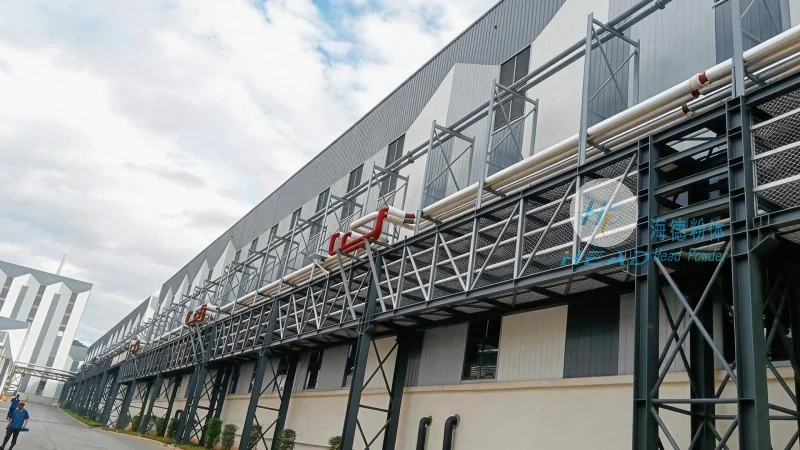
Introduction to Clay Coal Powder Pneumatic Conveying Systems
Clay coal powder pneumatic conveying systems utilize the principle of air movement to transport dry, fine powders over short to medium distances. Unlike traditional mechanical conveying methods, which may suffer from material degradation or blockages, pneumatic systems offer a more flexible and efficient solution. The system typically consists of a hopper for material storage, a feeder to control the flow rate, a compressor to generate the necessary air pressure, and a pipeline network to transport the material. The choice of system design—such as positive or negative pressure—depends on factors like the material's properties, distance, and required flow rate.
Key Components of the Pneumatic Conveying System
The performance of a clay coal powder pneumatic conveying system is determined by its critical components. The hopper, often equipped with a discharge valve or rotary valve, ensures a consistent material feed. The feeder, which may be a screw feeder or a rotary valve, regulates the material flow to match the system's air flow capacity. The compressor, usually an industrial-grade unit, generates the required pressure, typically ranging from 0.5 to 2 bar, depending on the system's specifications. The pipeline network, constructed from materials like stainless steel or plastic, must be designed to withstand the pressure and prevent material buildup. Additionally, filters and cyclones are essential for separating the material from the air stream, ensuring clean air is returned to the system and the material is collected efficiently.
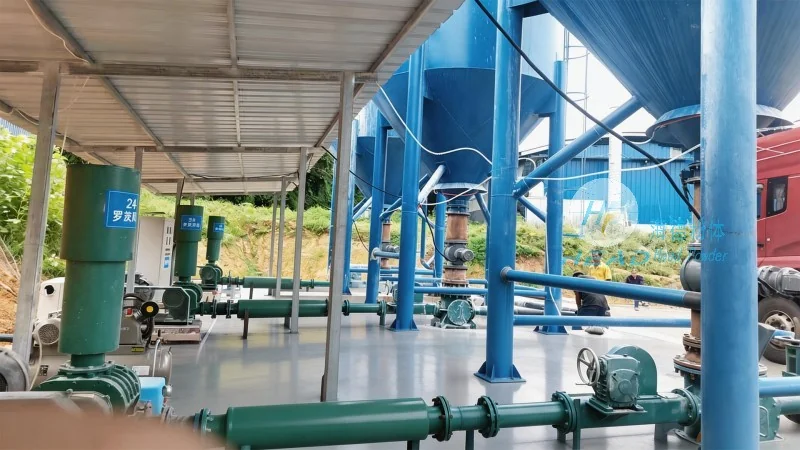
Design Considerations for Efficient Operation
Designing an effective clay coal powder pneumatic conveying system requires careful consideration of several factors. The material's properties, including particle size, density, and moisture content, influence the system's design. For example, finer particles may require higher air velocities to prevent settling or blockages. The distance and layout of the conveying line also impact the system's configuration, as longer distances may necessitate additional boosters or larger compressor capacity. Furthermore, the system must be designed to minimize energy consumption while maintaining the required flow rate. This often involves optimizing the air-to-material ratio and selecting the appropriate pipeline diameter and length.
Applications in Industrial Settings
Clay coal powder pneumatic conveying systems are widely used in various industrial applications. In the mining and processing industry, these systems are employed to transport coal powders from storage facilities to processing plants or for blending with other materials. In the ceramics and brick manufacturing sector, clay powders are conveyed to mixing and molding equipment, where they are combined with other ingredients to produce final products. Additionally, in the chemical and pharmaceutical industries, fine powders are transported using pneumatic systems to ensure contamination-free handling and efficient material transfer. The versatility of these systems makes them suitable for a wide range of applications where traditional conveying methods are less effective.
Advantages of Pneumatic Conveying Systems
Compared to other material handling methods, clay coal powder pneumatic conveying systems offer several advantages. One of the primary benefits is the ability to transport materials over relatively long distances without the need for multiple transfer points. This reduces the risk of material degradation and contamination, which is crucial for sensitive materials like clay. The systems also provide a more hygienic and clean environment, as the material is contained within the pipeline and does not come into direct contact with the surroundings. Furthermore, pneumatic systems are more flexible, allowing for changes in the conveying route or flow rate without significant modifications to the infrastructure. This adaptability makes them ideal for dynamic industrial environments where production needs may change frequently.
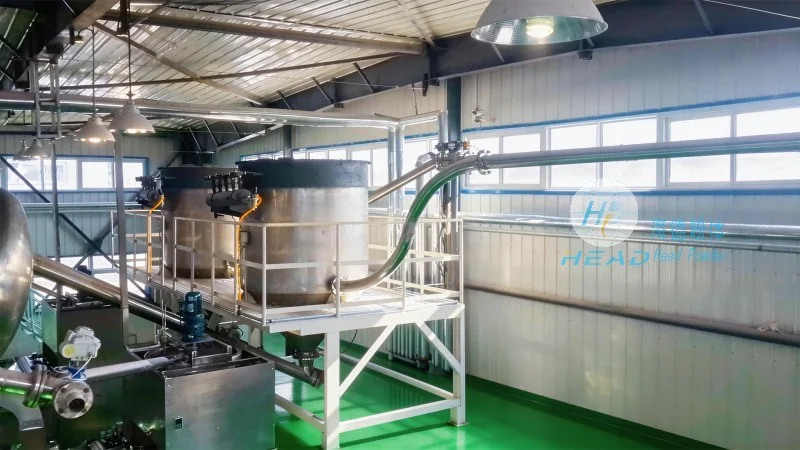
Maintenance and Operational Considerations
Proper maintenance is essential to ensure the long-term performance and reliability of a clay coal powder pneumatic conveying system. Regular inspection of components such as the hopper, feeder, and pipeline is necessary to detect any signs of wear or blockage. The compressor and air filters should be checked and replaced as needed to maintain optimal air quality and pressure. Additionally, the system's controls, including the feeder and pressure sensors, should be calibrated regularly to ensure accurate material flow and system operation. Proper maintenance not only extends the system's lifespan but also minimizes downtime and operational costs. By adhering to a regular maintenance schedule, operators can ensure the system operates efficiently and safely, delivering consistent performance over time.
Conclusion
Clay coal powder pneumatic conveying systems represent a highly effective solution for transporting fine particulate materials in industrial settings. By leveraging the principles of air movement, these systems offer advantages such as flexibility, efficiency, and hygienic handling. The key to successful operation lies in proper design, component selection, and regular maintenance. As industries continue to demand more efficient material handling solutions, pneumatic conveying systems remain a reliable choice for transporting clay and coal powders. The expertise of companies like Shandong HeadPowder Engineering Co., Ltd. plays a crucial role in designing and implementing these systems, ensuring they meet the specific needs of industrial applications and deliver optimal performance.