

Comparative Analysis of Common Dry Sludge Transport Methods: Advantages and Disadvantages
Dry sludge transport is a critical process in waste management and environmental engineering, particularly for facilities dealing with municipal or industrial wastewater treatment. The efficient and cost-effective movement of dry sludge from treatment sites to disposal or reuse locations is essential for maintaining operational efficiency and compliance with environmental regulations. This article provides a comparative analysis of common dry sludge transport methods, evaluating their advantages and disadvantages to help stakeholders make informed decisions.
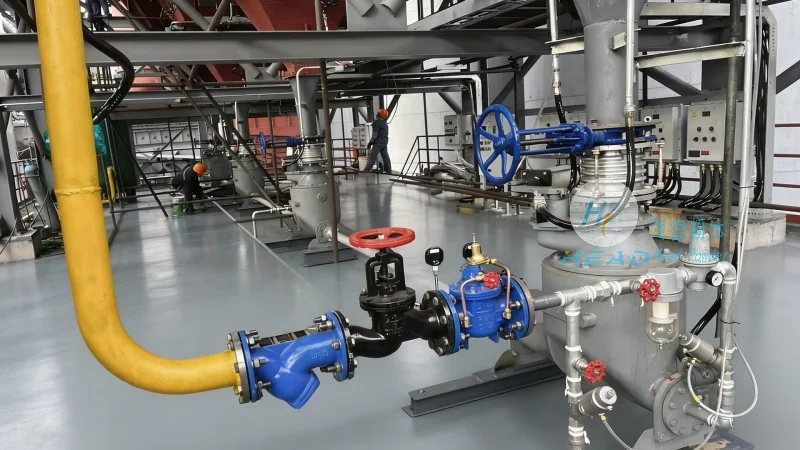
1. Belt Conveyor Systems for Dry Sludge Transport
Belt conveyors are widely used in dry sludge transport due to their robust design and ability to handle large volumes of material. These systems consist of a continuous belt that moves sludge along a series of rollers or pulleys. The primary advantage of belt conveyors is their high capacity and low operational cost per tonne of sludge transported. They are particularly effective for horizontal or slightly inclined transport over short to medium distances. However, belt conveyors have limitations, such as their inability to handle highly abrasive or sticky sludge without frequent maintenance. Additionally, they require significant space and may be affected by external factors like weather or ground conditions.
2. Screw Conveyors (Auger Conveyors) for Dry Sludge
Screw conveyors, also known as auger conveyors, use a rotating helical screw to move dry sludge through a closed tube. This method is ideal for vertical or inclined transport and is often used in confined spaces where horizontal movement is limited. The main advantage of screw conveyors is their compact design and ability to handle fine or granular sludge without the need for additional equipment. They are also relatively low-maintenance compared to other systems. However, screw conveyors have lower capacity compared to belt conveyors and may experience wear on the screw and housing due to friction. They are not suitable for transporting highly abrasive or wet sludge, as this can lead to increased wear and reduced efficiency.
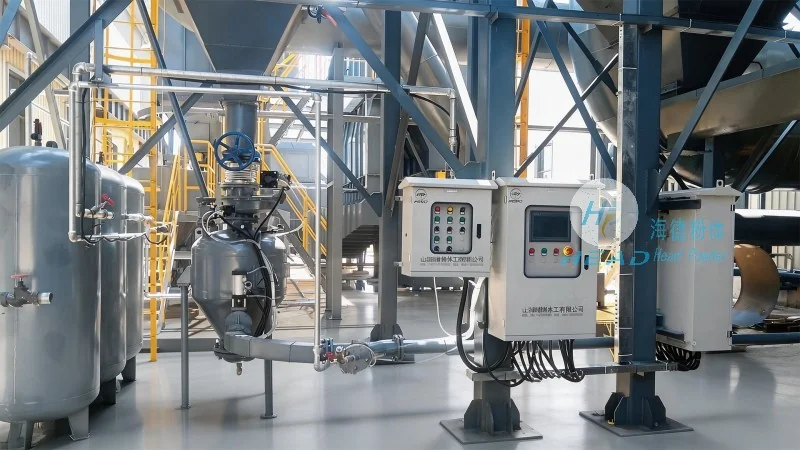
3. Pneumatic Conveying Systems
Pneumatic conveying systems use air pressure to transport dry sludge through a pipeline. These systems can be classified as positive or negative pressure systems, depending on the direction of air flow. Positive pressure systems push air and sludge through the pipeline, while negative pressure systems draw sludge into the system using a vacuum. The primary advantage of pneumatic conveying is its ability to transport sludge over long distances and through vertical lifts without the need for intermediate transfer points. This method is also suitable for handling fine or powdery sludge and can be integrated with other processes like drying or mixing. However, pneumatic conveying has higher energy consumption compared to other methods and requires careful control of air pressure to prevent material blockages or system damage. Additionally, the cost of the pipeline and air compressor infrastructure can be significant.
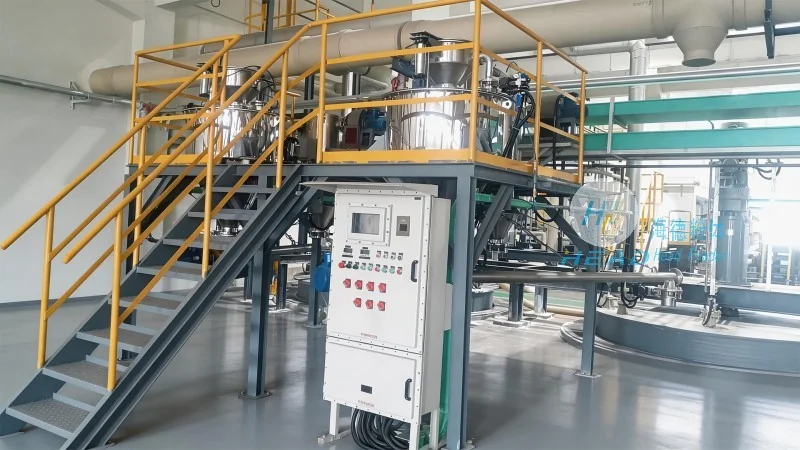
4. Hydraulic Conveying Systems
Hydraulic conveying systems use water to transport dry sludge through a pipeline, often in conjunction with a pump system. This method is particularly effective for transporting sludge over long distances and through complex terrain. The main advantage of hydraulic conveying is its ability to handle high volumes of sludge with minimal equipment and maintenance. It is also suitable for transporting sludge with high moisture content or in areas where other methods are impractical. However, hydraulic conveying has higher water consumption and requires additional treatment for the water after use to prevent environmental contamination. The system also needs regular cleaning to prevent clogging due to the accumulation of solids.
Conclusion and Recommendations
When selecting a dry sludge transport method, it is essential to consider factors such as the type and volume of sludge, the distance to be transported, the available space, and the budget. Belt conveyors are ideal for large-scale horizontal transport, while screw conveyors are suitable for vertical or confined spaces. Pneumatic and hydraulic systems are better for long-distance or complex transport scenarios. Shandong HeadPowder Engineering Co., Ltd. specializes in designing and manufacturing customized dry sludge transport solutions tailored to the specific needs of clients. Our team of engineers and technicians works closely with clients to evaluate their operational requirements and recommend the most efficient and cost-effective transport method. By leveraging our expertise and advanced technology, we help clients optimize their sludge management processes and ensure compliance with environmental regulations.