

Key Design Considerations for Organic Fertilizer Pneumatic Conveying System Solutions
Organic fertilizer pneumatic conveying systems are critical components in modern agricultural and industrial processes, enabling efficient and safe transportation of organic materials. The design of such systems requires careful consideration of multiple factors to ensure optimal performance, reliability, and cost-effectiveness. This article outlines key design considerations for developing effective organic fertilizer pneumatic conveying solutions.

About HeadPowder Engineering
HeadPowder, a leading engineering firm based in Shandong, China, specializes in the design and implementation of advanced material handling systems. With a strong focus on innovation and customer-centric solutions, HeadPowder provides comprehensive services tailored to the unique needs of the organic fertilizer industry. The company's expertise spans system design, equipment selection, and project execution, ensuring that each solution is optimized for efficiency and durability.
Key Design Considerations for Organic Fertilizer Pneumatic Conveying Systems
When designing an organic fertilizer pneumatic conveying system, several critical factors must be addressed to achieve reliable operation and minimize operational risks. The first consideration is the material characteristics of the organic fertilizer, including its bulk density, flowability, and moisture content. These properties directly impact the system's air velocity requirements and the selection of appropriate conveying equipment. For instance, materials with high moisture content may require additional drying or conditioning steps to prevent blockages and ensure smooth flow.
Another crucial aspect is the system's layout and configuration. The design must account for the source and destination points of the fertilizer, as well as any intermediate storage or processing units. Properly planned system layout minimizes energy consumption and reduces the risk of material degradation. HeadPowder engineers utilize advanced computational fluid dynamics (CFD) and simulation tools to optimize system geometry and airflow patterns, ensuring efficient material transport while maintaining low energy costs.
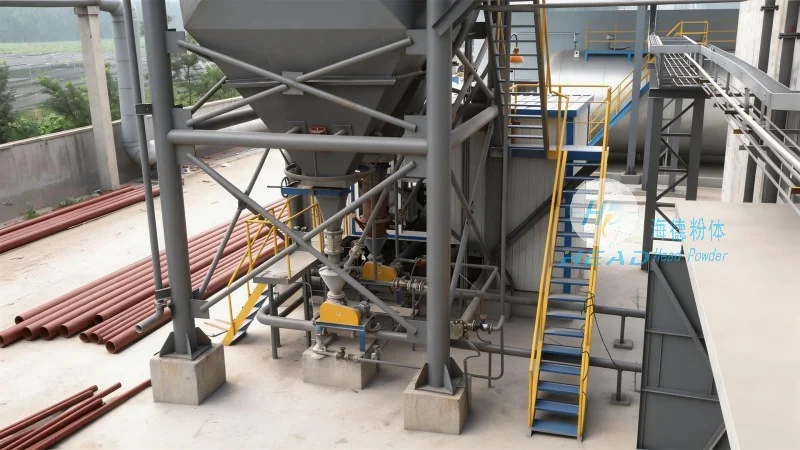
Material handling equipment selection is a critical design step. The choice between positive and negative pressure systems, as well as the type of conveying components (e.g., rotary valves, airlocks, and pipelines), depends on the specific application requirements. Positive pressure systems are often preferred for transporting dusty or fine materials, as they provide better control over air flow and reduce the risk of dust emissions. In contrast, negative pressure systems are suitable for applications where dust containment is a priority. HeadPowder's engineers evaluate the material's properties and operational constraints to recommend the most appropriate equipment, ensuring compliance with environmental regulations and safety standards.
Energy efficiency is a key consideration in modern system design. Organic fertilizer pneumatic conveying systems can consume significant amounts of energy, making it essential to optimize air flow and pressure levels. Advanced control systems, such as variable frequency drives (VFDs) and intelligent pressure sensors, allow for real-time adjustments to energy consumption, reducing operational costs over the system's lifecycle. HeadPowder incorporates energy-efficient technologies into its designs, helping clients achieve sustainable and cost-effective material handling solutions.
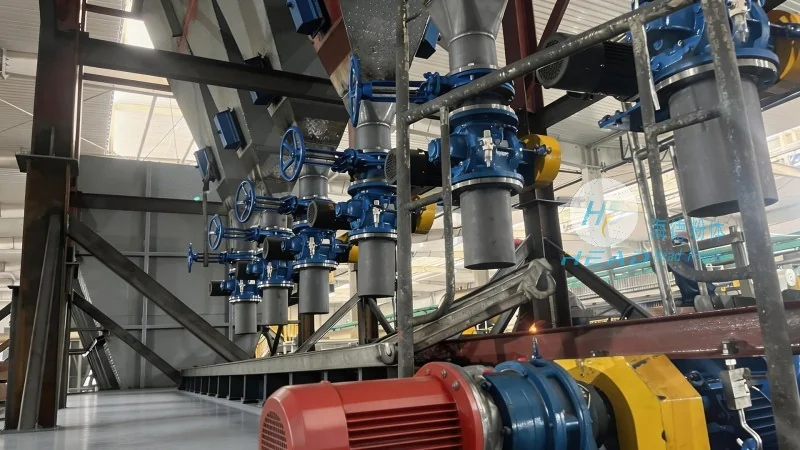
System maintenance and reliability are also critical design considerations. Properly designed systems include features that facilitate routine maintenance, such as easy access to components, clear monitoring indicators, and automated diagnostic tools. Regular maintenance is essential to prevent system downtime and ensure consistent performance. HeadPowder provides comprehensive maintenance and support services, including on-site inspections and technical assistance, to help clients maximize system uptime and extend equipment life.
Environmental compliance is another important factor in organic fertilizer pneumatic conveying system design. Regulations related to dust emissions, noise levels, and material handling safety must be carefully addressed. HeadPowder ensures that all designs comply with local and international environmental standards, incorporating dust collection systems, noise reduction measures, and safety features to minimize the environmental impact of the operation. This commitment to compliance helps clients avoid regulatory penalties and maintain a positive public image.
Integration with existing infrastructure is a final key consideration. Many organic fertilizer facilities already have established material handling systems, and new pneumatic conveying systems must be designed to integrate seamlessly with these existing setups. HeadPowder's engineers work closely with clients to assess current infrastructure and plan for smooth integration, minimizing disruption to ongoing operations. This approach ensures that the new system complements existing processes rather than creating additional challenges.