

Design Key Points for Sawdust and Wood Flakes Pneumatic Conveying System Solutions
For businesses in the wood processing industry, efficient material handling is crucial to maintaining production flow and operational efficiency. The pneumatic conveying system, particularly for sawdust and wood flakes, offers a reliable solution that minimizes manual labor and reduces the risk of contamination. This article outlines key design considerations and solutions provided by Shandong HeadPowder Engineering Co., Ltd., a leading provider in the field.
Company Overview and Expertise
HeadPowder, the professional brand of Shandong HeadPowder Engineering Co., Ltd., specializes in engineering solutions for material handling systems. With headquarters in Shandong, China, the company leverages years of industry experience to design and implement pneumatic conveying systems tailored to the unique needs of wood processing facilities. Our team of engineers focuses on optimizing system performance, ensuring durability, and providing cost-effective solutions that meet the demands of modern manufacturing.
Understanding Pneumatic Conveying for Sawdust and Wood Flakes
Sawdust and wood flakes are lightweight, low-density materials that require specialized handling to prevent segregation and loss. Traditional methods like belt conveyors or manual transport often lead to dust generation, material degradation, and increased labor costs. Pneumatic conveying systems use air pressure to transport these materials through a network of pipes, offering a closed-loop system that enhances safety and environmental compliance. The design of such systems must account for the material's physical properties, including particle size, moisture content, and flow characteristics.
Key Design Considerations for Sawdust and Wood Flakes Pneumatic Conveying
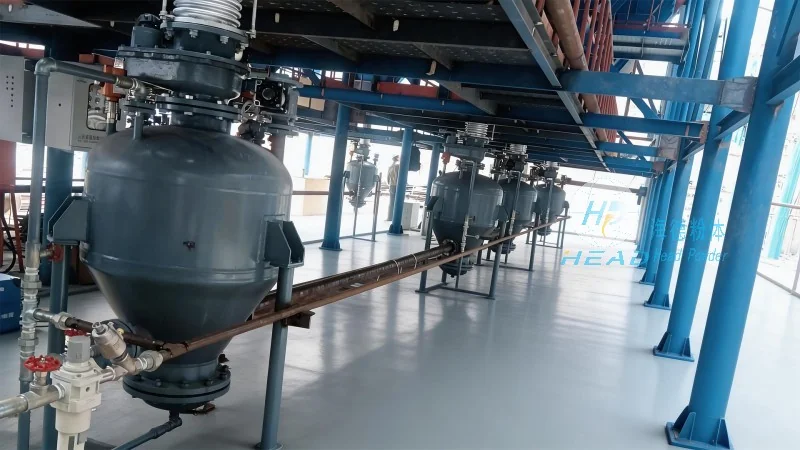
Designing an effective pneumatic conveying system for sawdust and wood flakes involves several critical factors. First, the selection of the conveying method—whether it's a pressure or vacuum system—depends on the distance and layout of the facility. Pressure systems are ideal for short to medium distances, using positive pressure to push material through the pipeline, while vacuum systems are better suited for longer distances or when material needs to be drawn from multiple sources. The choice of air compressor type, such as rotary lobe or centrifugal, also impacts system efficiency and energy consumption.
Second, the design of the pipeline network is paramount. Proper pipe sizing ensures adequate air velocity to maintain material suspension without excessive pressure drop. Elbows, bends, and transitions must be carefully engineered to minimize pressure loss and prevent material buildup. For sawdust and wood flakes, which can be abrasive, the use of high-quality, corrosion-resistant materials like stainless steel or coated steel is essential to extend the system's lifespan and reduce maintenance costs.
System Components and Integration
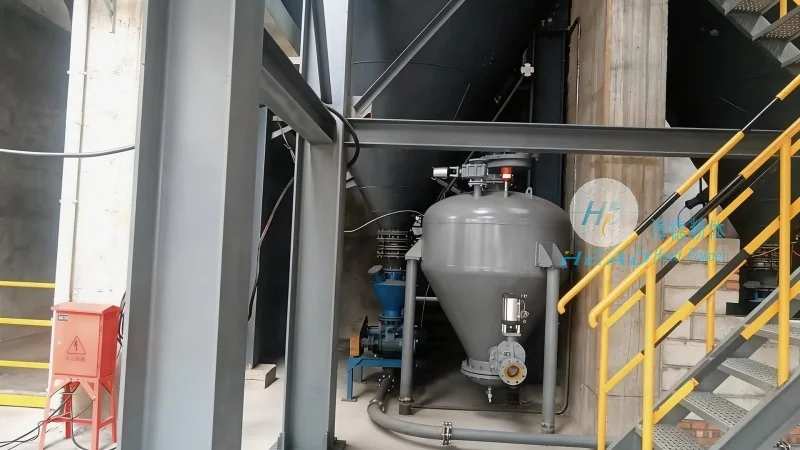
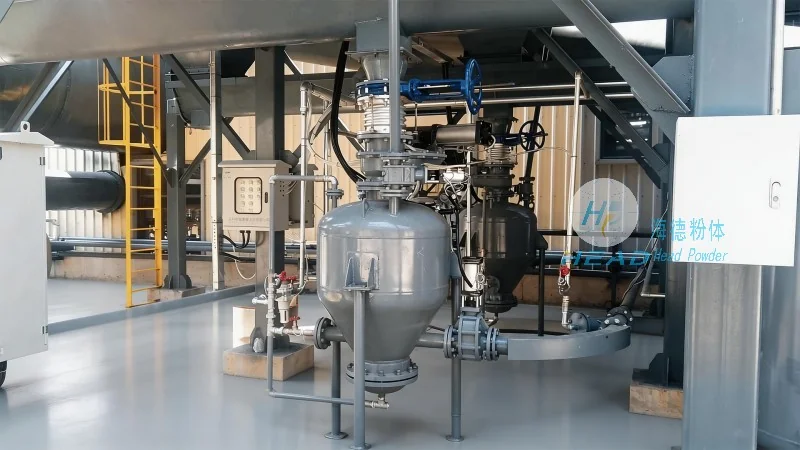
A comprehensive pneumatic conveying system includes several key components that work in tandem to ensure smooth operation. The air compressor provides the necessary pressure or vacuum, while the material feeders, such as rotary valves or screw feeders, control the flow rate and prevent blockages. Separators and filters are critical for removing moisture and fine particles from the air, protecting downstream equipment and maintaining air quality. The system's control panel allows for real-time monitoring and adjustment, enabling operators to optimize performance based on production demands.
Advantages of HeadPowder's Sawdust and Wood Flakes Pneumatic Conveying Solutions
Implementing a well-designed pneumatic conveying system for sawdust and wood flakes offers numerous benefits. Unlike traditional methods, pneumatic systems eliminate the need for open-air transport, reducing dust emissions and improving workplace safety. The closed-loop design also minimizes material loss and contamination, which is vital for maintaining product quality in downstream processes like pelletizing or molding. Additionally, automated systems reduce labor costs and increase production throughput, allowing manufacturers to scale operations efficiently.
Customization and After-Sales Support
At Shandong HeadPowder Engineering Co., Ltd., we understand that each wood processing facility has unique requirements. Our approach to system design involves a thorough analysis of the client's production processes, material characteristics, and operational goals. We provide customized solutions that integrate seamlessly with existing infrastructure, ensuring minimal disruption during installation. Post-installation, our team offers comprehensive training for operators and maintenance personnel, along with ongoing technical support to address any issues that may arise. This commitment to customer service ensures that our clients can maximize the return on their investment and maintain long-term operational efficiency.