

Design Key Points for Desulfurization and Dust Removal Fly Ash Pneumatic Conveying System
HeadPowder, a leading engineering firm based in Shandong, China, specializes in the design and implementation of advanced pneumatic conveying systems for fly ash handling from desulfurization and dust removal processes. This article outlines the critical design considerations and key points that ensure the efficiency, reliability, and safety of such systems.
Understanding the Core Requirements of Fly Ash Pneumatic Conveying
When designing a pneumatic conveying system for desulfurization and dust removal fly ash, several fundamental factors must be addressed to achieve optimal performance. The primary goal is to transport the fine, abrasive, and often moisture-laden ash from the source to the disposal or utilization point without clogging, degradation, or loss of material. Key considerations include the ash's physical properties—such as particle size distribution, moisture content, and density—along with the system's operational parameters like pressure, flow rate, and material handling capacity.
System Layout and Component Selection: A Strategic Approach
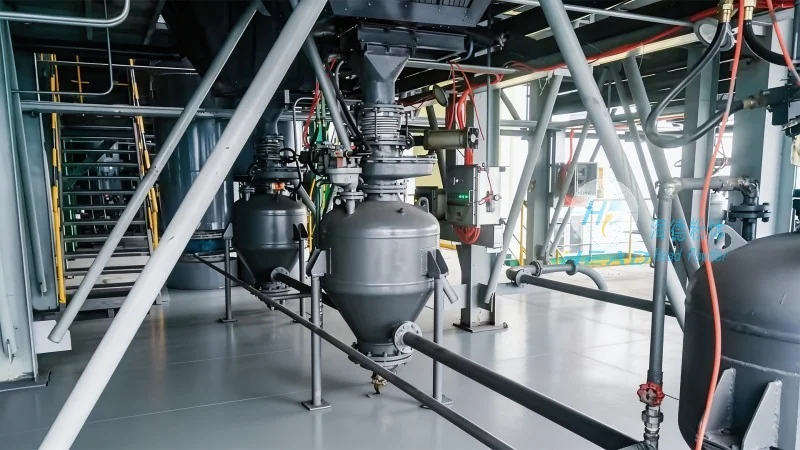
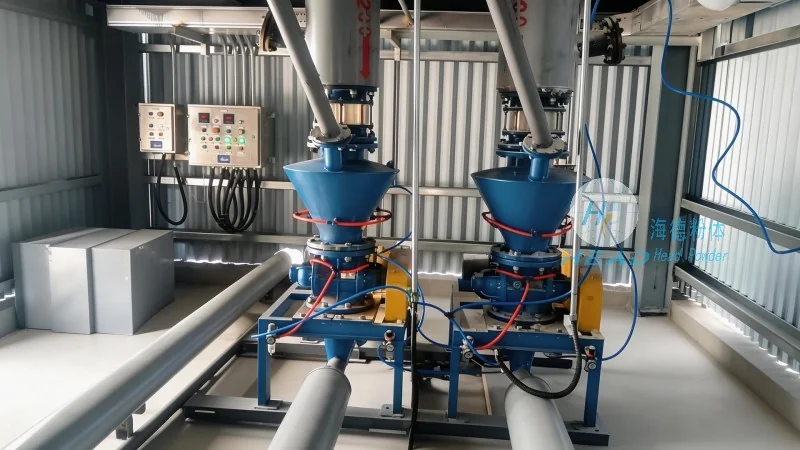
The layout of the pneumatic conveying system is a critical design element that dictates its efficiency and maintenance requirements. For desulfurization and dust removal fly ash, a well-planned layout typically involves a combination of positive and negative pressure zones to handle the material's characteristics. Component selection, including the type of air compressor, material feeders, conveying pipes, and separation equipment, is tailored to the specific ash properties and operational demands. For instance, high-pressure blowers are often preferred for long-distance or high-resistance conveying, while rotary valves and star feeders ensure consistent material feeding to prevent blockages.
Material Handling Challenges and Mitigation Strategies
Fly ash from desulfurization and dust removal processes presents unique challenges due to its fine particle size and potential for agglomeration. These challenges can lead to system inefficiencies, increased wear on components, and higher operational costs. To mitigate these issues, design strategies such as using high-quality, abrasion-resistant materials for pipes and components, incorporating vibration or air agitation systems to prevent material buildup, and implementing effective dust collection and filtration systems are essential. Additionally, the use of specialized additives or conditioning agents can improve the ash's flowability, reducing the risk of clogging and ensuring smooth system operation.
Energy Efficiency and Environmental Compliance
In today's industrial landscape, energy efficiency and environmental compliance are paramount. The design of a pneumatic conveying system for desulfurization and dust removal fly ash must prioritize minimizing energy consumption while adhering to regulatory standards for emissions and noise. This involves selecting energy-efficient air compressors, optimizing system pressure and flow rates to reduce energy waste, and implementing proper sealing and insulation to prevent air leaks. Furthermore, the system should be designed to minimize dust emissions during operation, ensuring compliance with local environmental regulations and protecting the health and safety of personnel.
Integration with Existing Infrastructure and Scalability
Many industrial facilities already have existing infrastructure for material handling and waste management. The design of a new pneumatic conveying system for desulfurization and dust removal fly ash must consider integration with these existing systems to avoid costly disruptions and ensure seamless operation. This includes assessing the compatibility of new components with existing equipment, such as conveyors, storage silos, and disposal facilities. Additionally, the system should be designed with scalability in mind, allowing for future expansion or upgrades as the facility's needs evolve. This flexibility ensures that the investment in the system remains viable and adaptable to changing operational requirements.
Maintenance and Operational Considerations
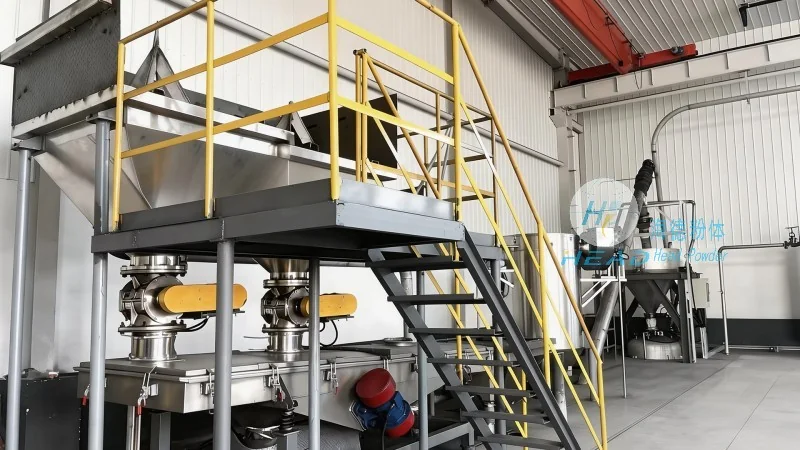
Long-term reliability and low maintenance costs are critical factors in the success of any pneumatic conveying system. The design should incorporate features that facilitate regular maintenance and reduce downtime. This includes easy access to components for inspection and replacement, the use of wear-resistant materials that extend component life, and the implementation of monitoring systems to detect potential issues before they become major problems. Proper training of operational personnel on the system's maintenance procedures is also essential to ensure optimal performance and longevity.
Conclusion: Ensuring Optimal Performance with Expert Design
Designing a pneumatic conveying system for desulfurization and dust removal fly ash requires a comprehensive approach that addresses the material's unique properties, operational demands, and environmental considerations. By focusing on system layout, component selection, material handling strategies, energy efficiency, integration with existing infrastructure, and maintenance planning, engineers can develop a system that delivers reliable, efficient, and cost-effective performance. HeadPowder, with its expertise in engineering solutions for industrial material handling, provides tailored designs that meet these critical requirements, ensuring that facilities can effectively manage their fly ash while optimizing operational efficiency and compliance.